

WPC Panel (Indoor)
Premium Indoor Wall Panels
Select Profile
Price
Select Dimension
Coverage
0.464 sqm / panel
Application
Features
PRODUCT COMPARISON
Compare our premium materials to find the perfect fit for your project.
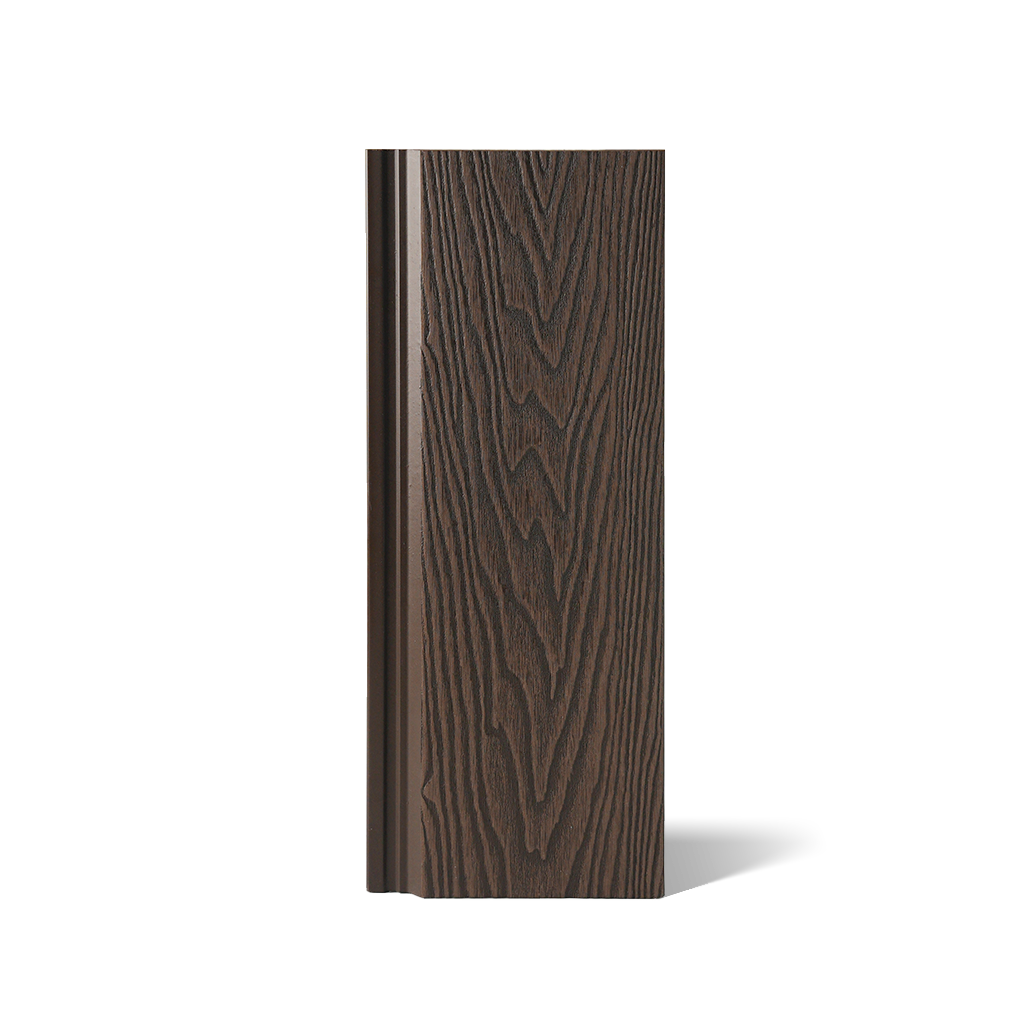


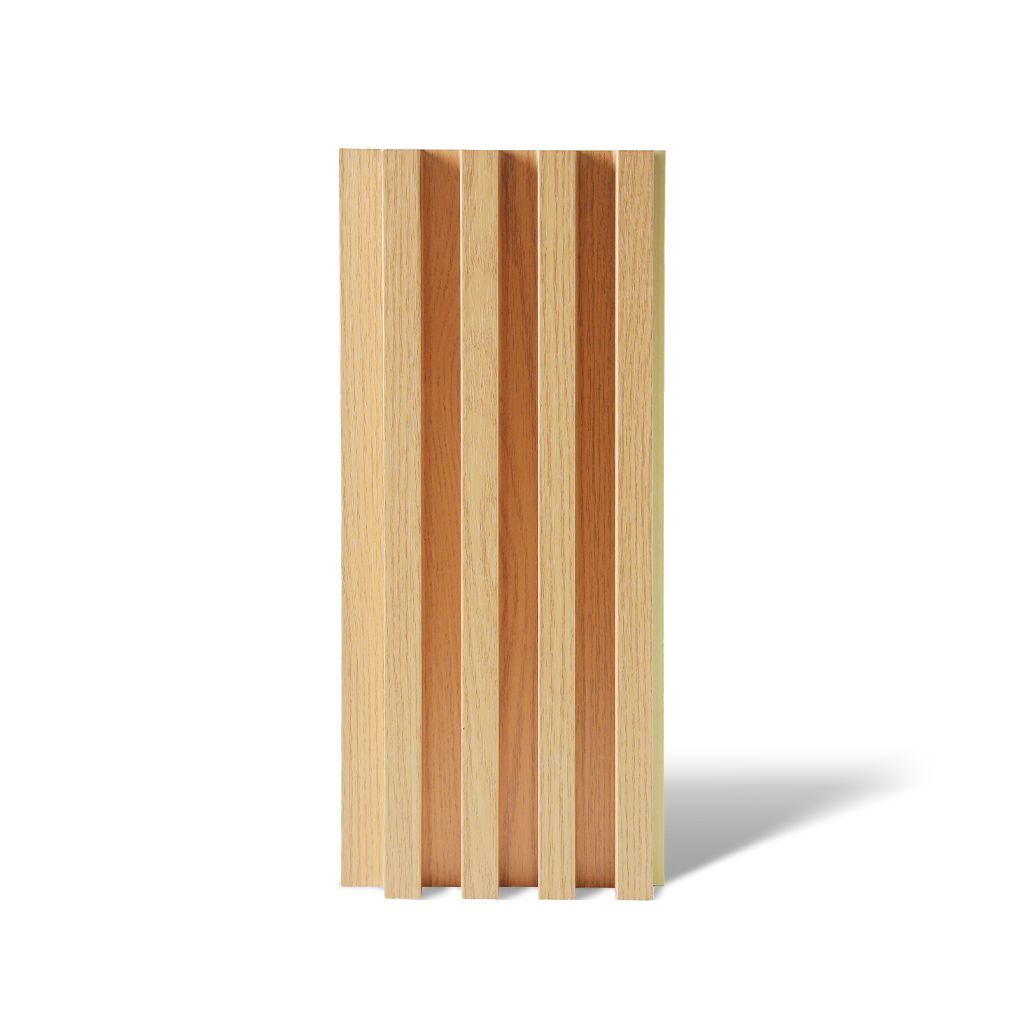

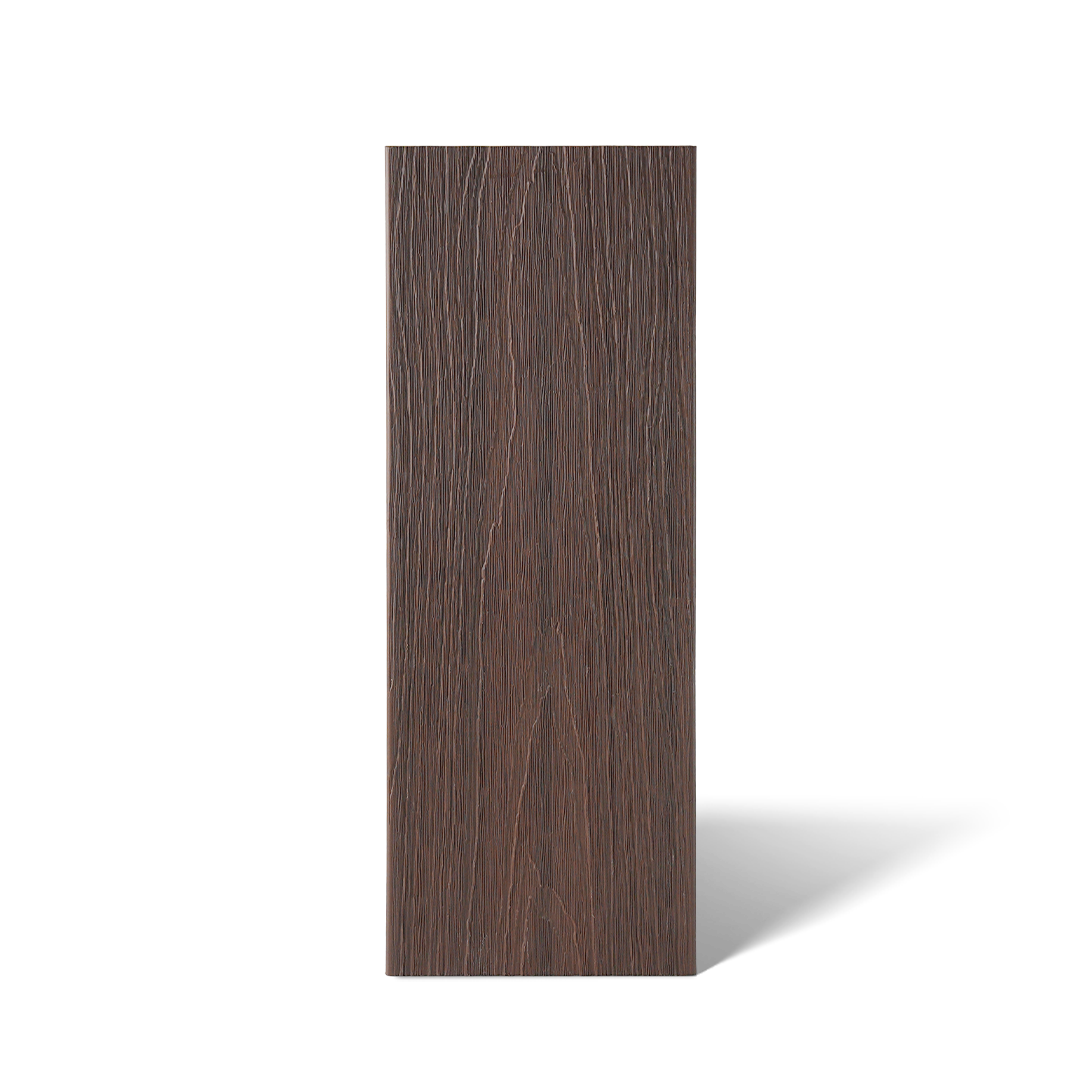
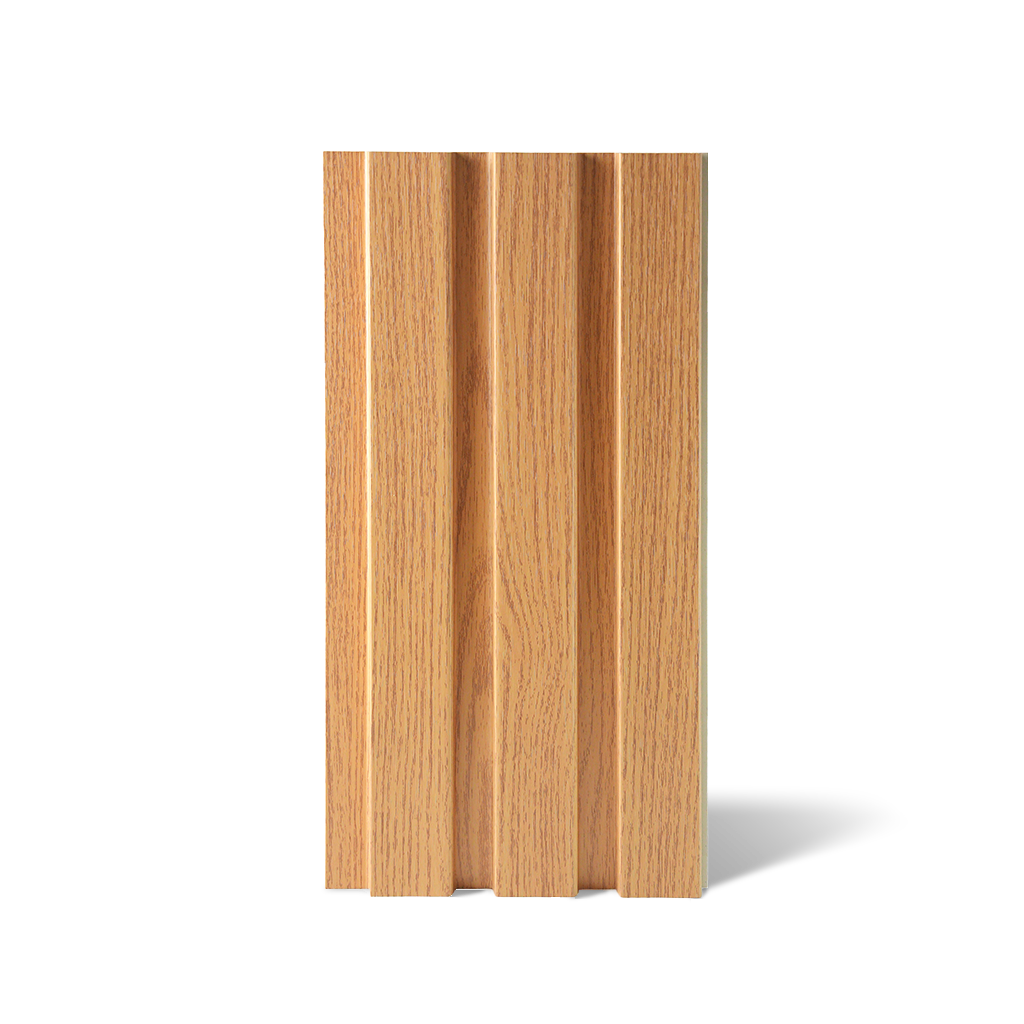









.png)


.png)









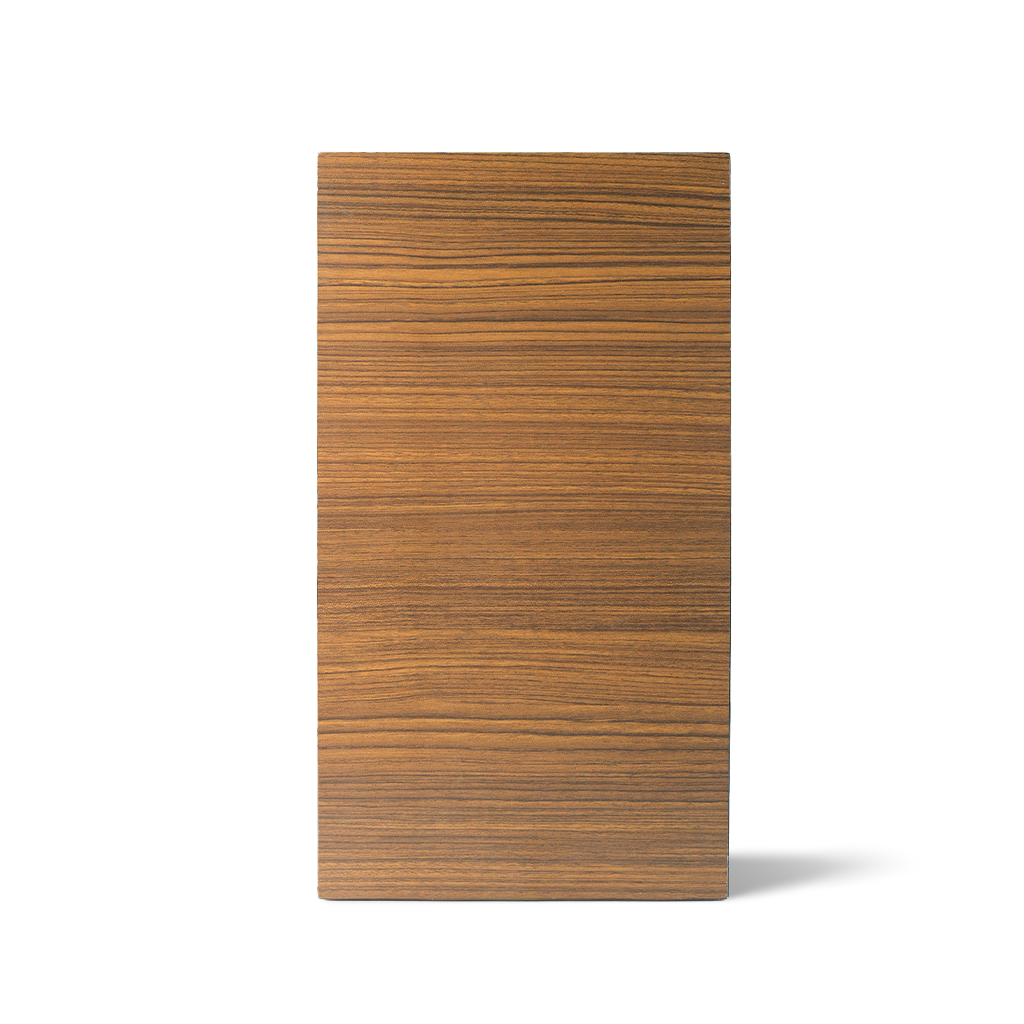

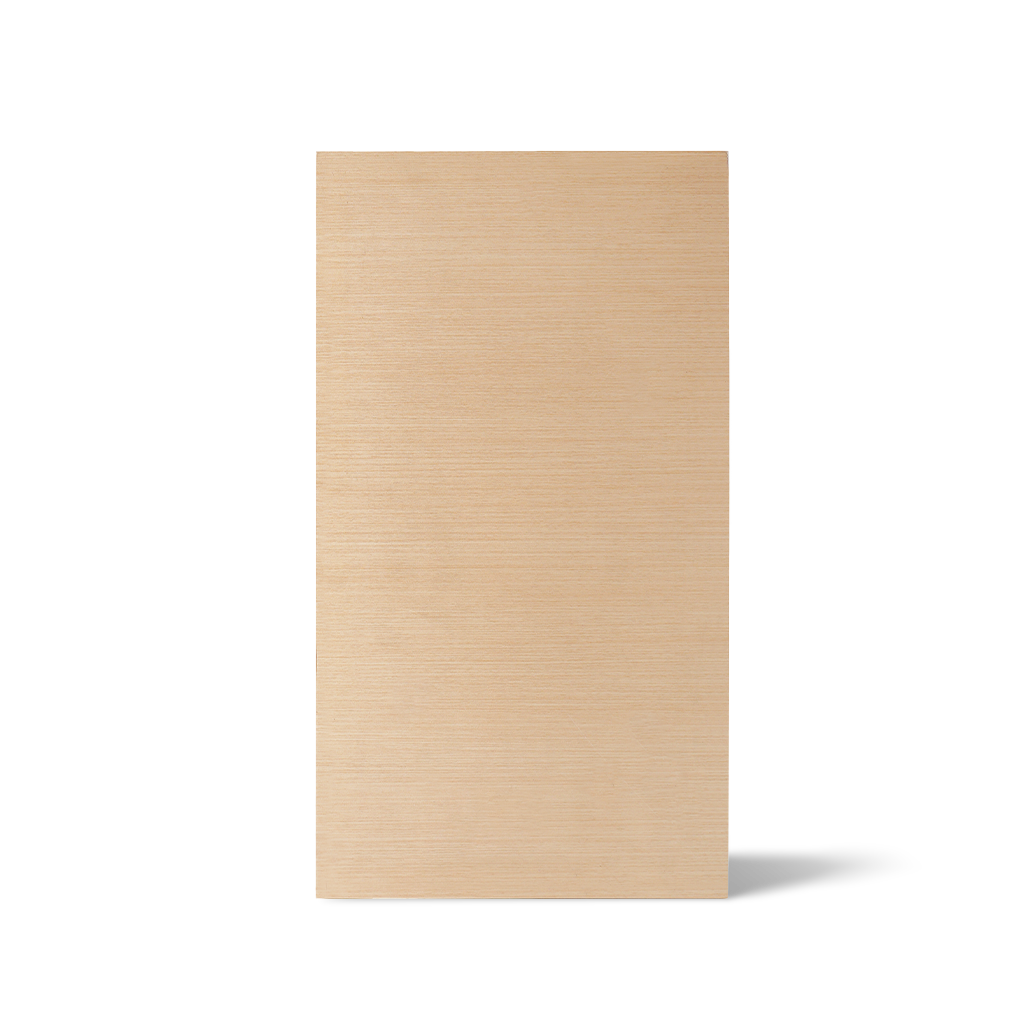







.png)










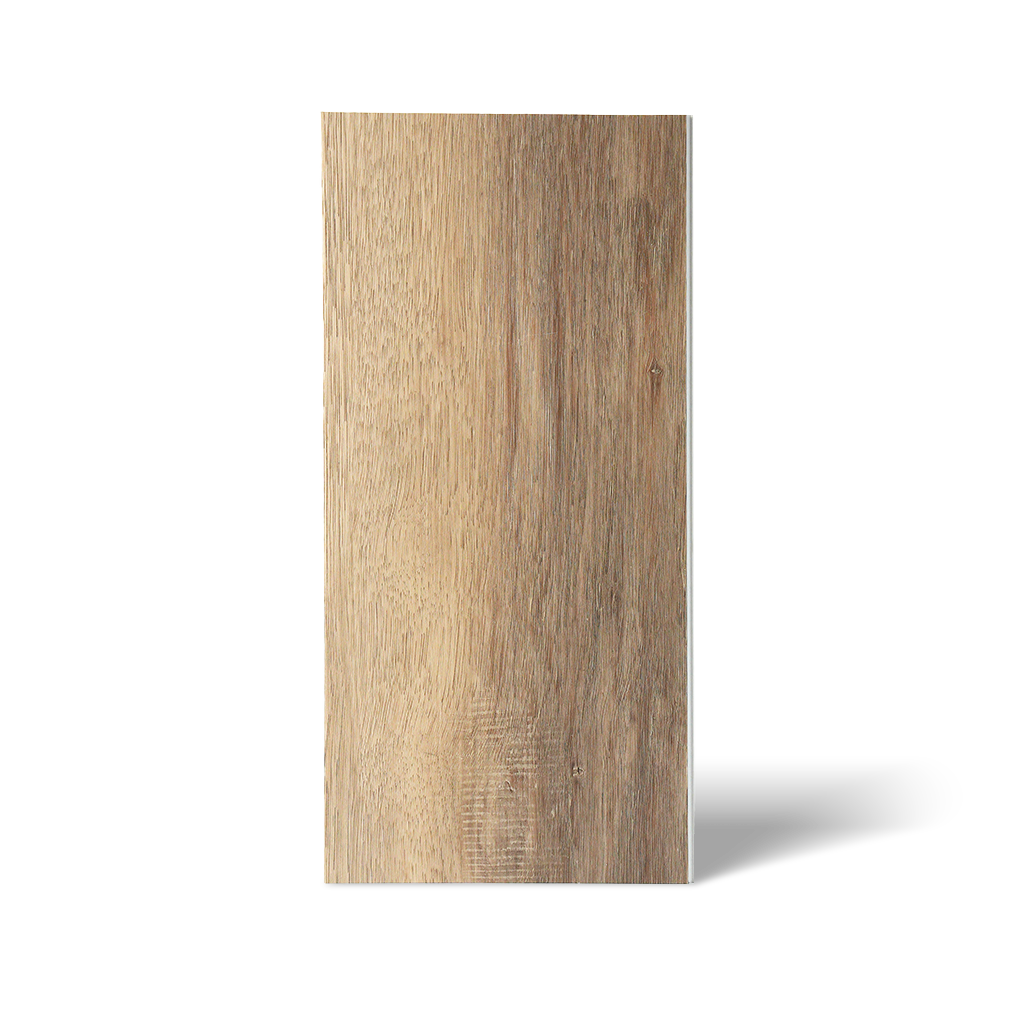

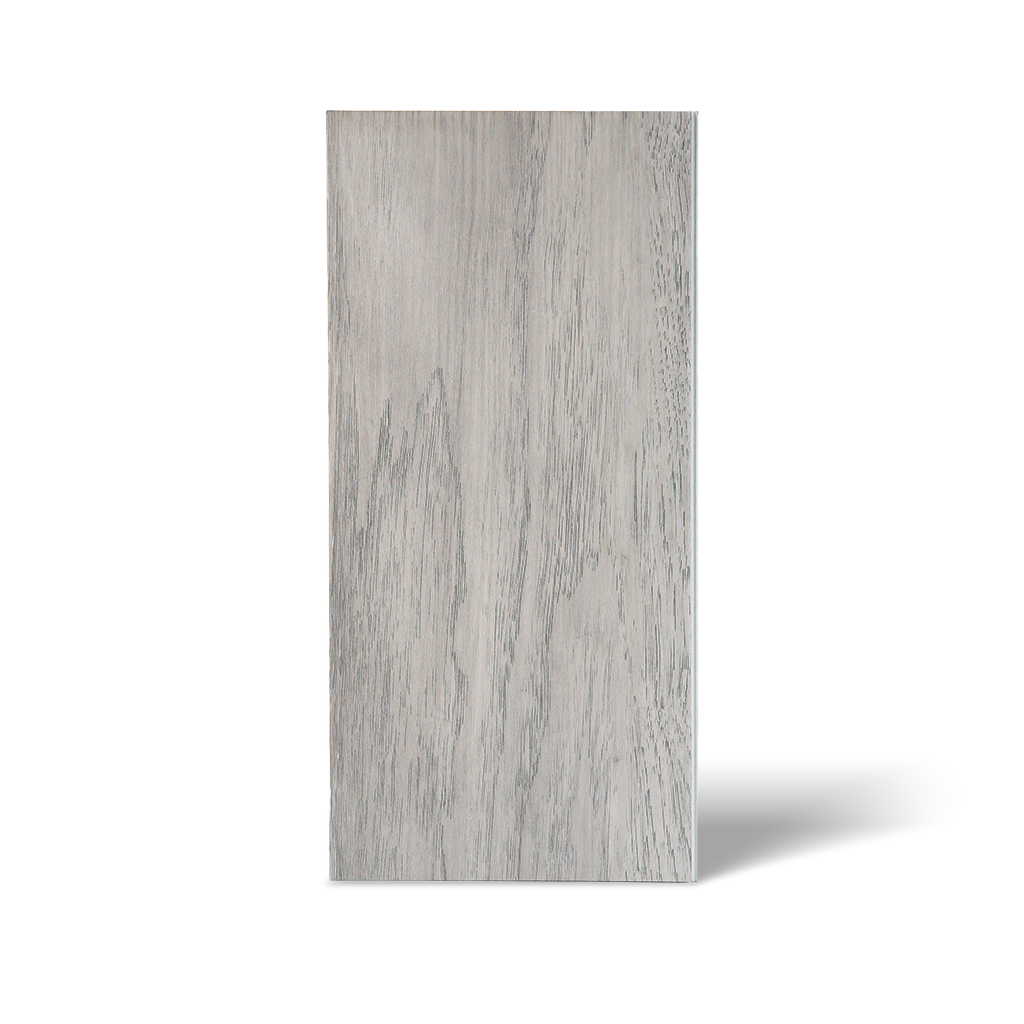


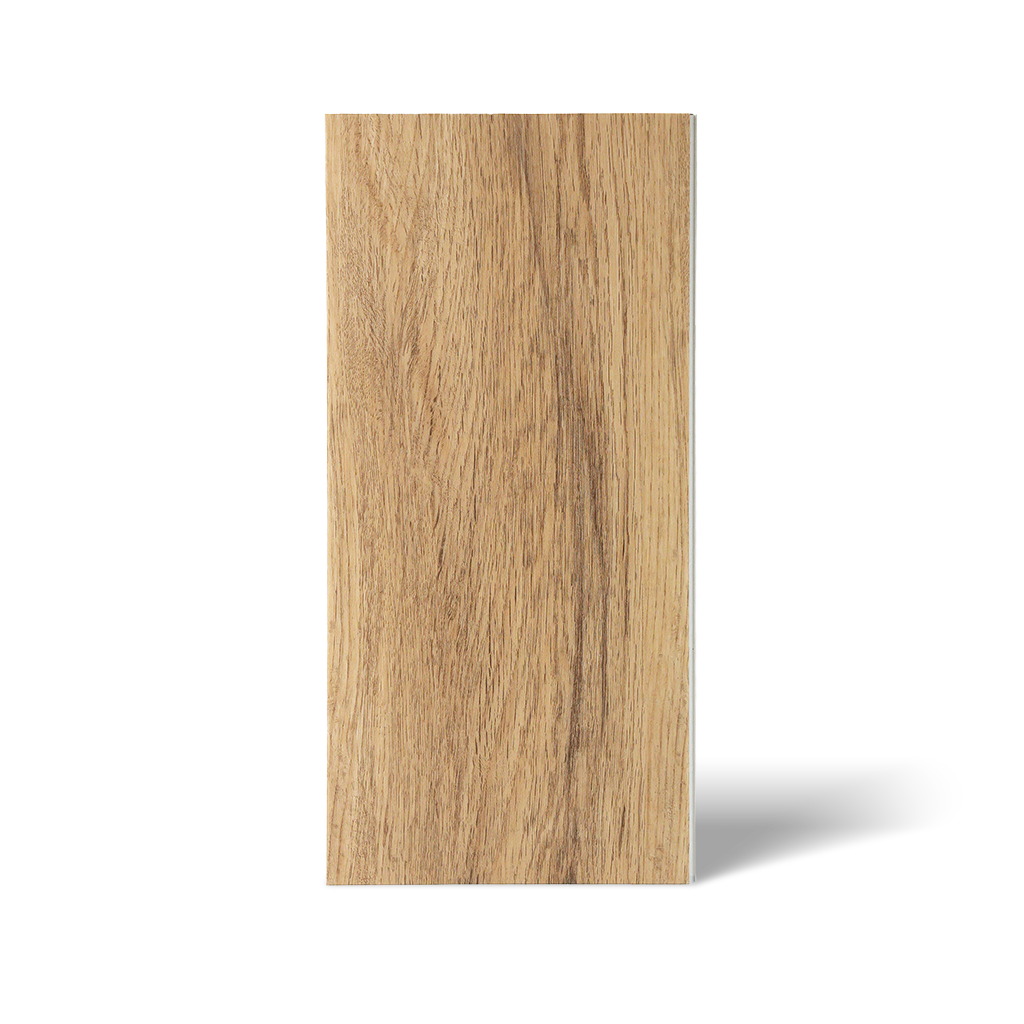


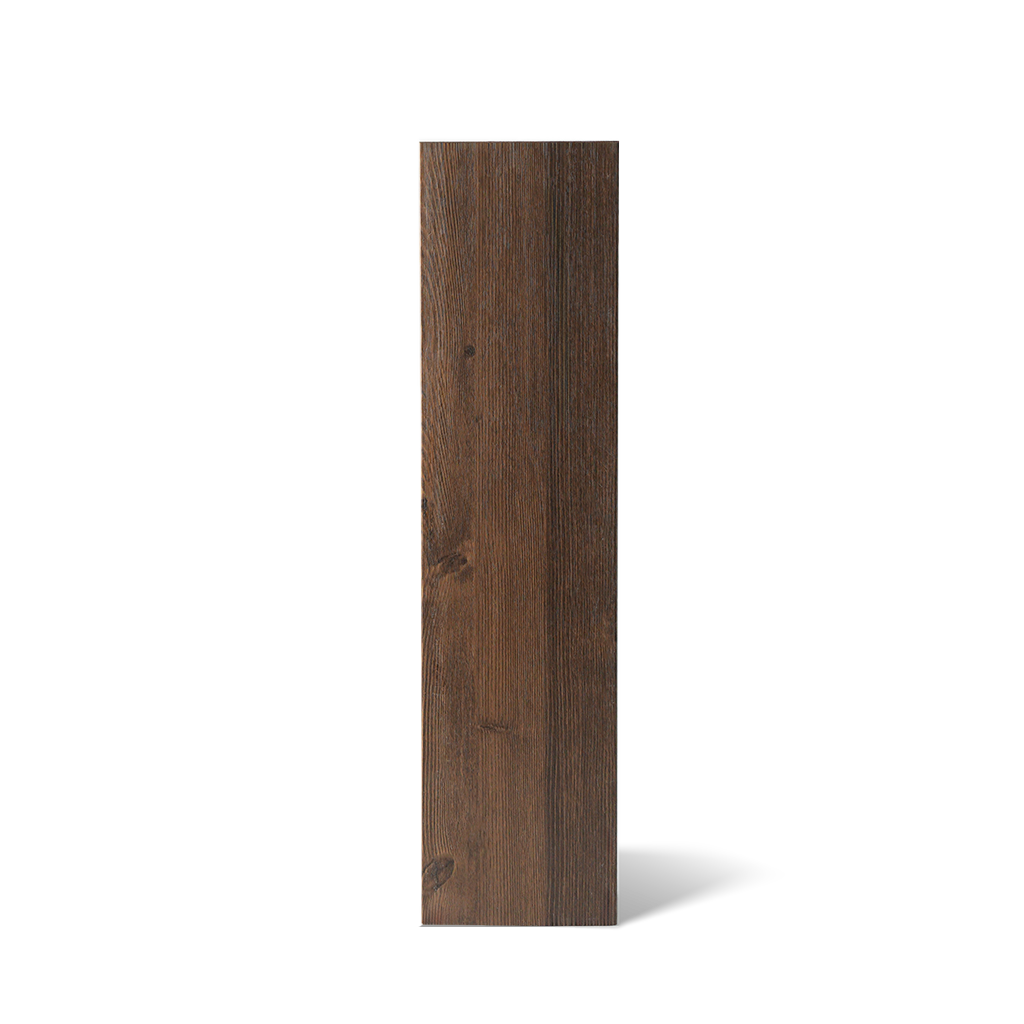





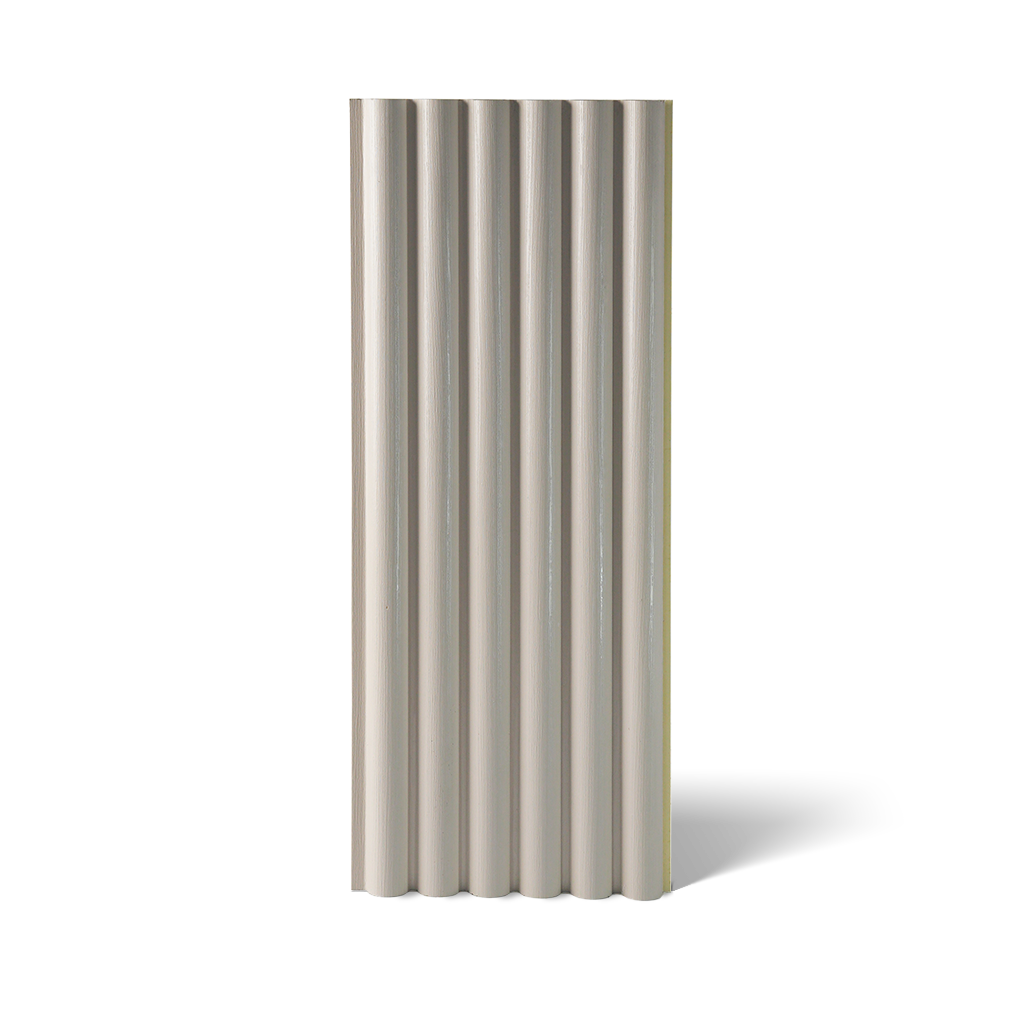
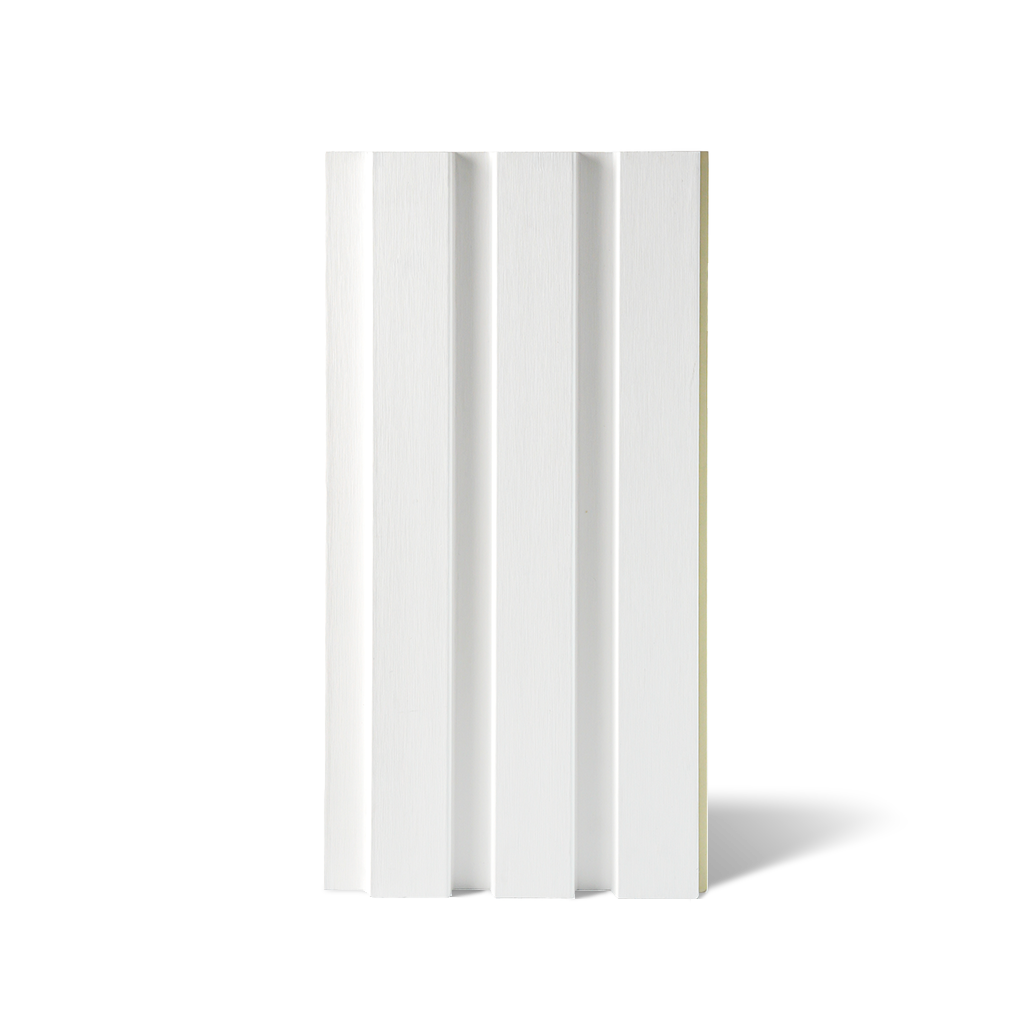

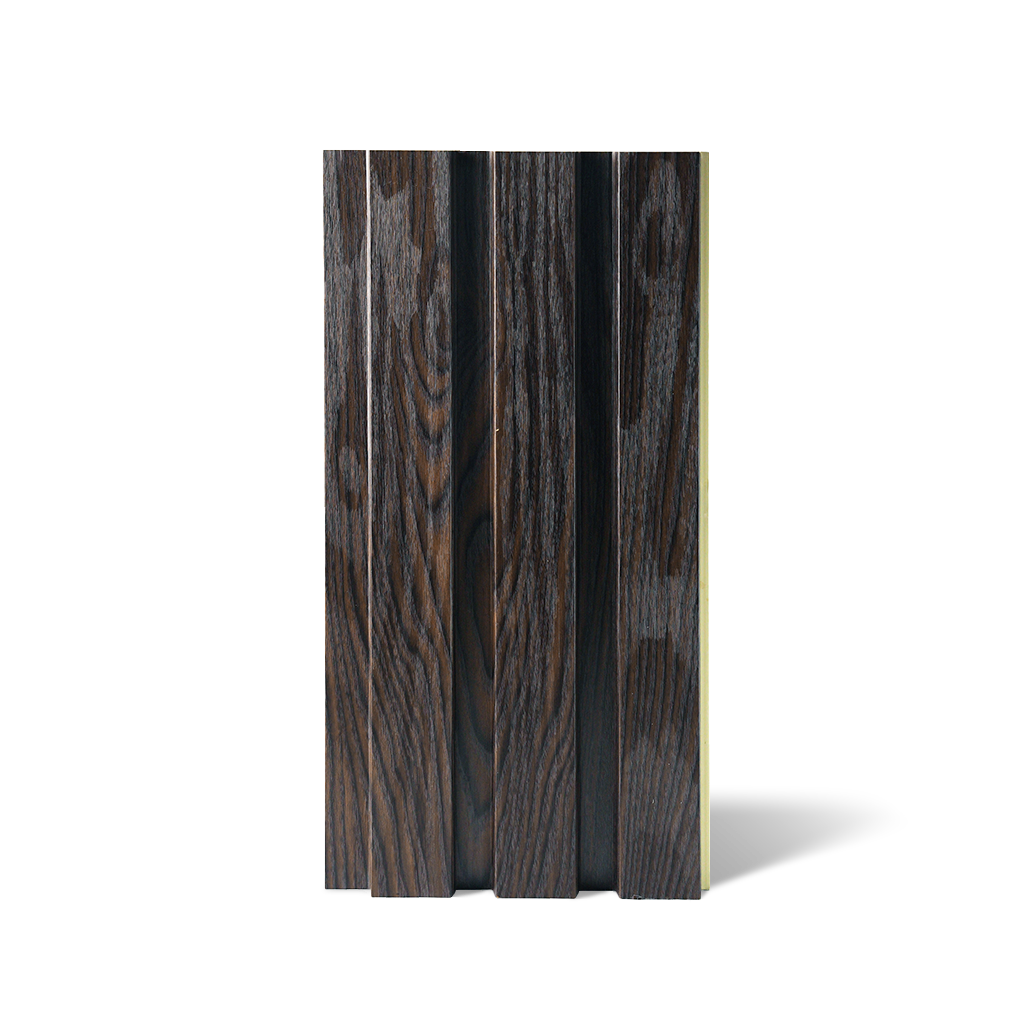

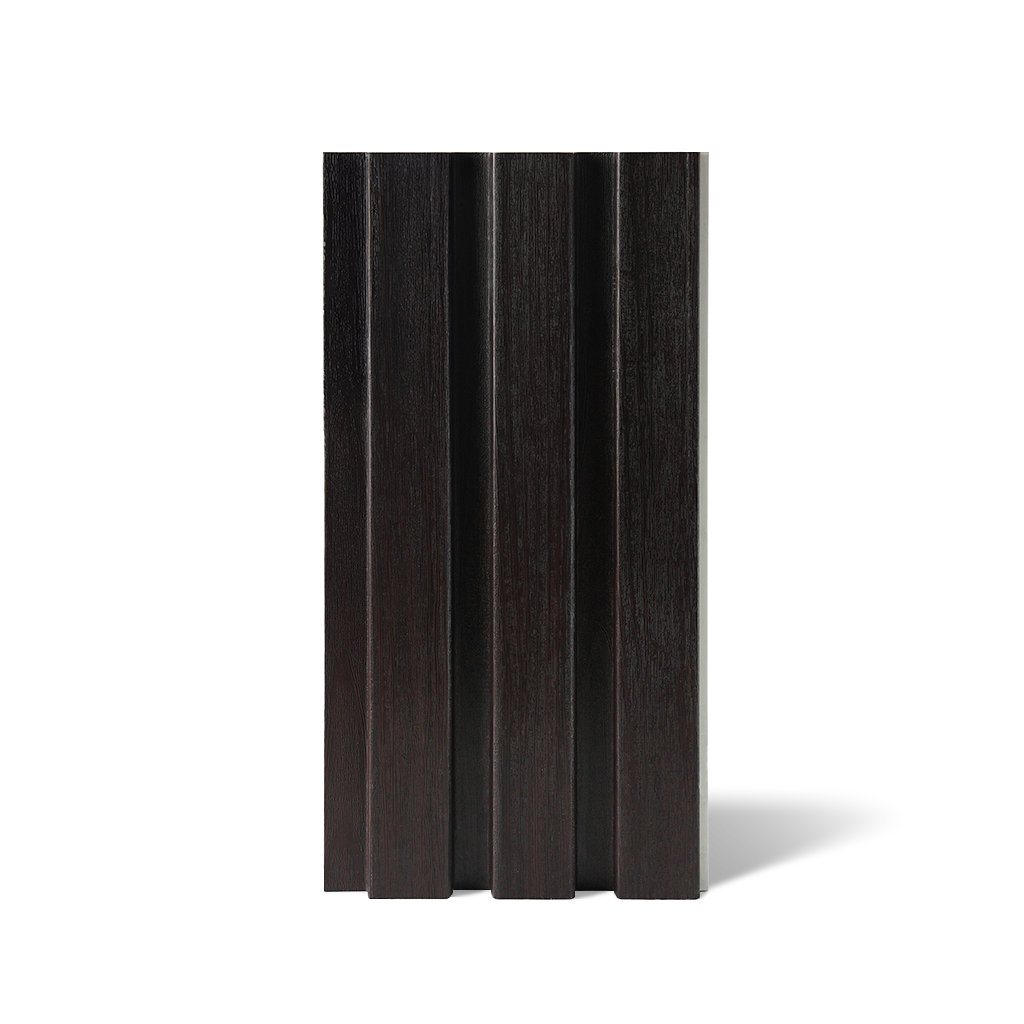
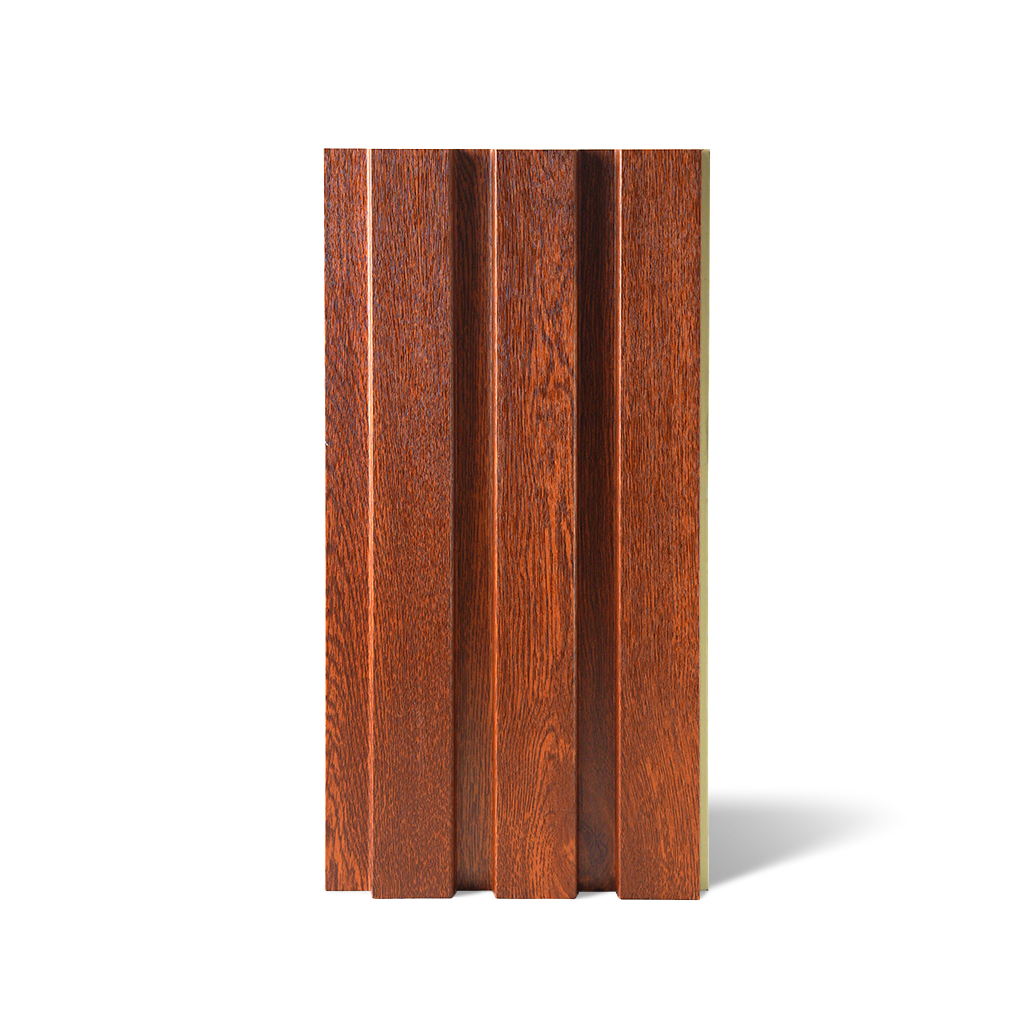


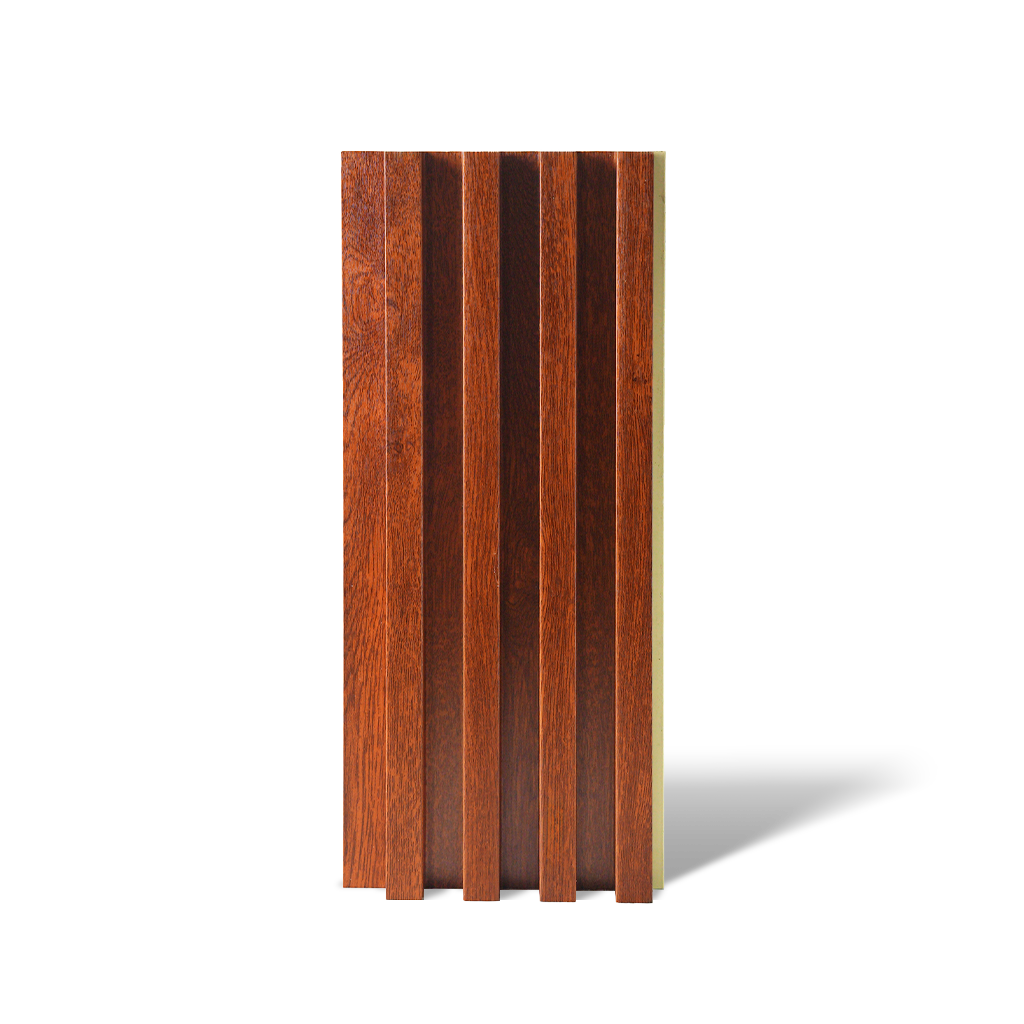
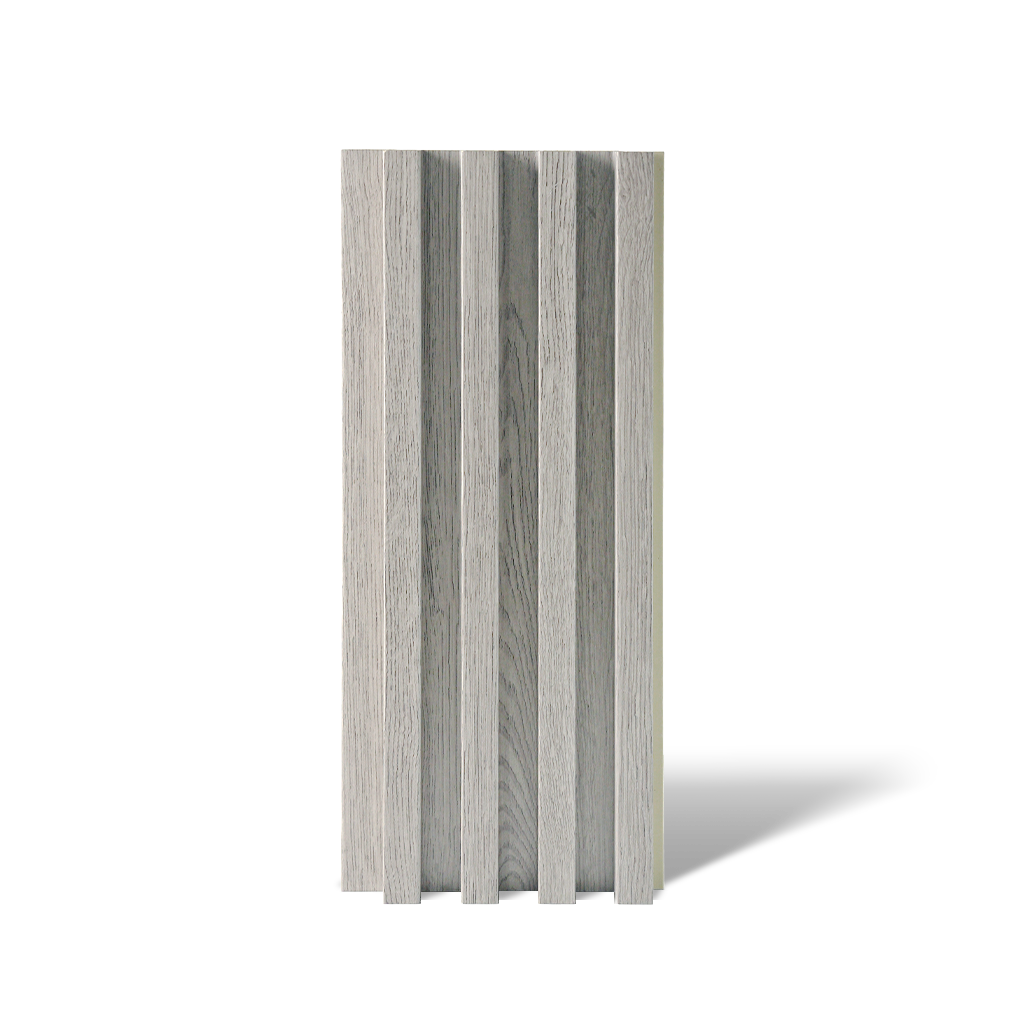
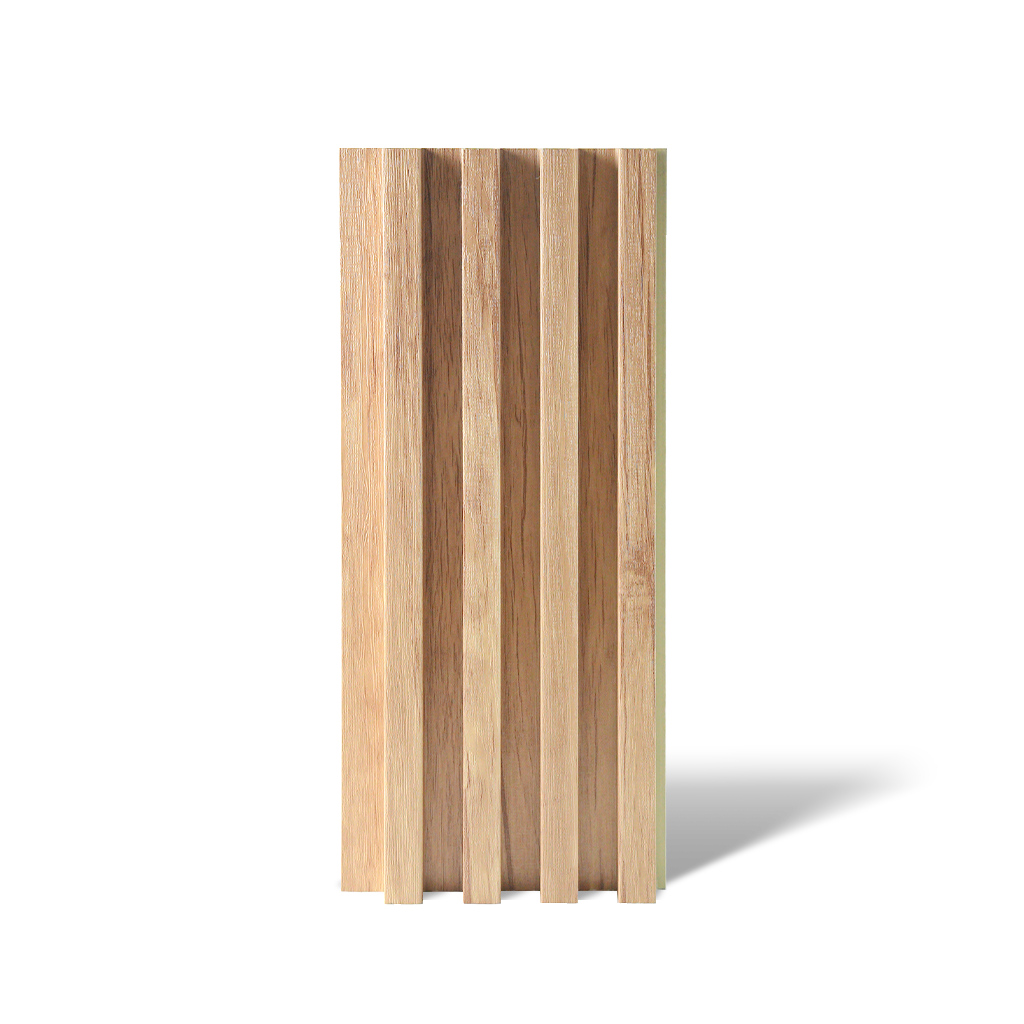
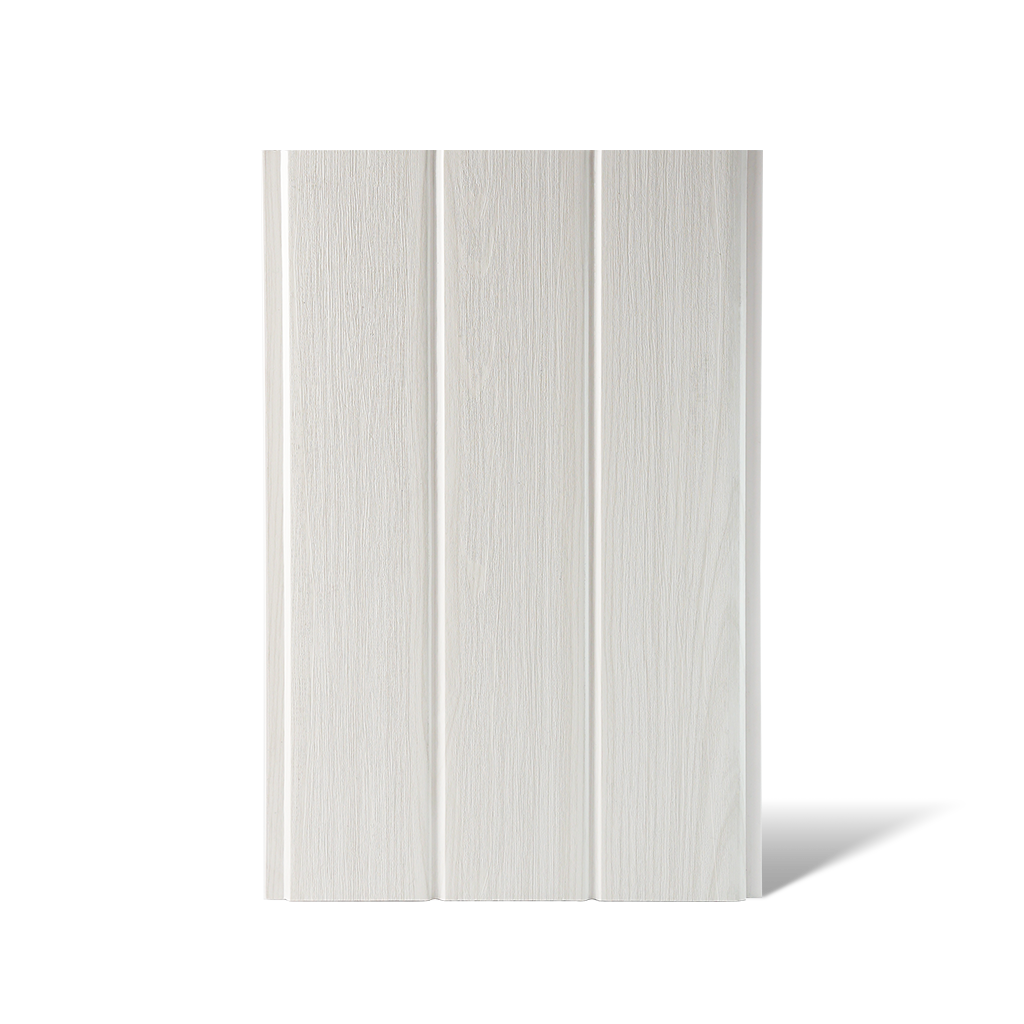

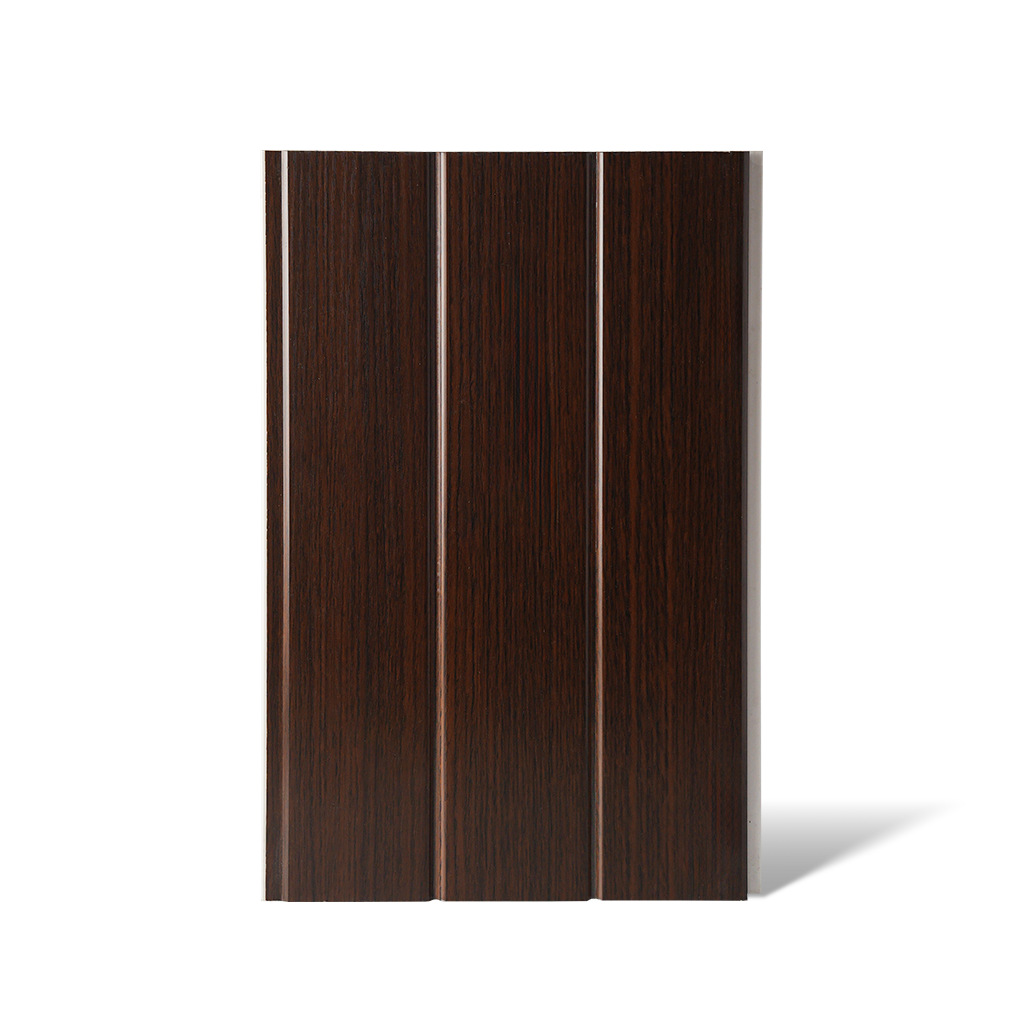
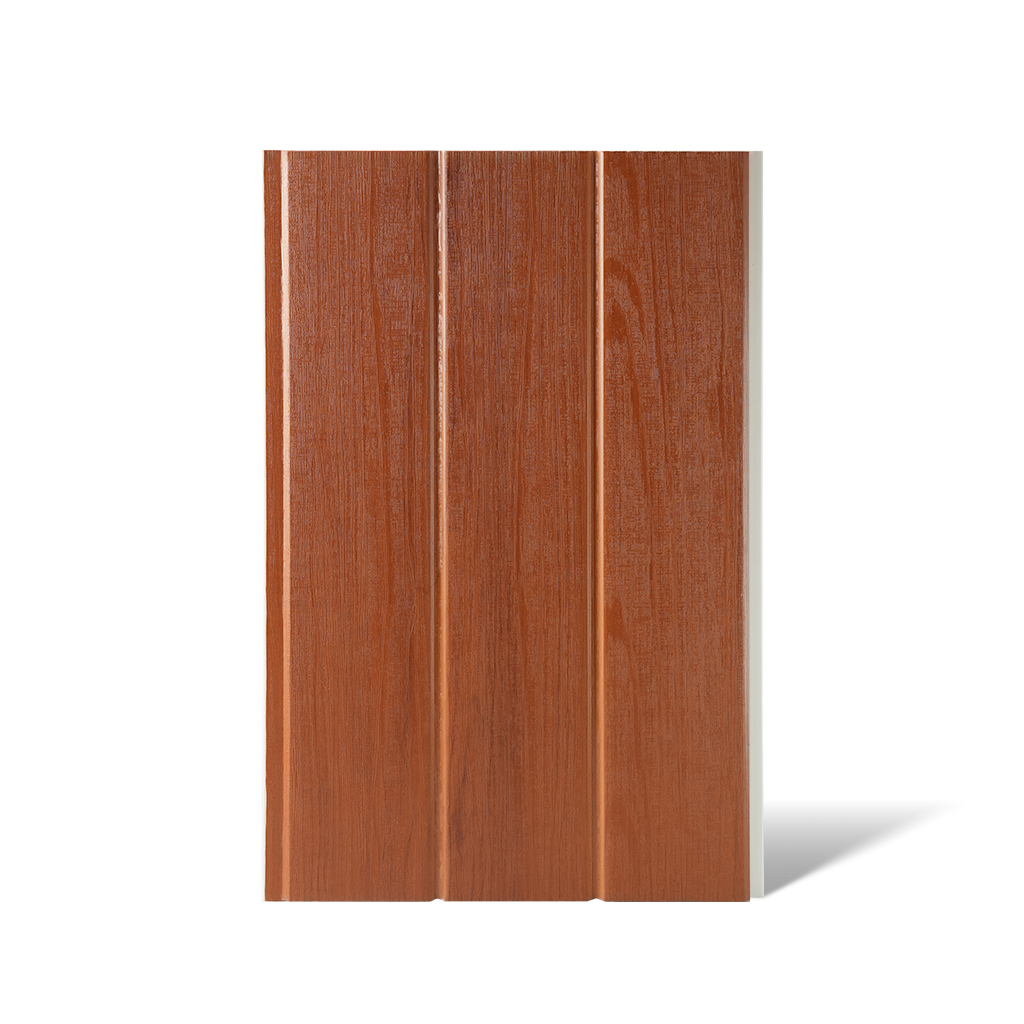


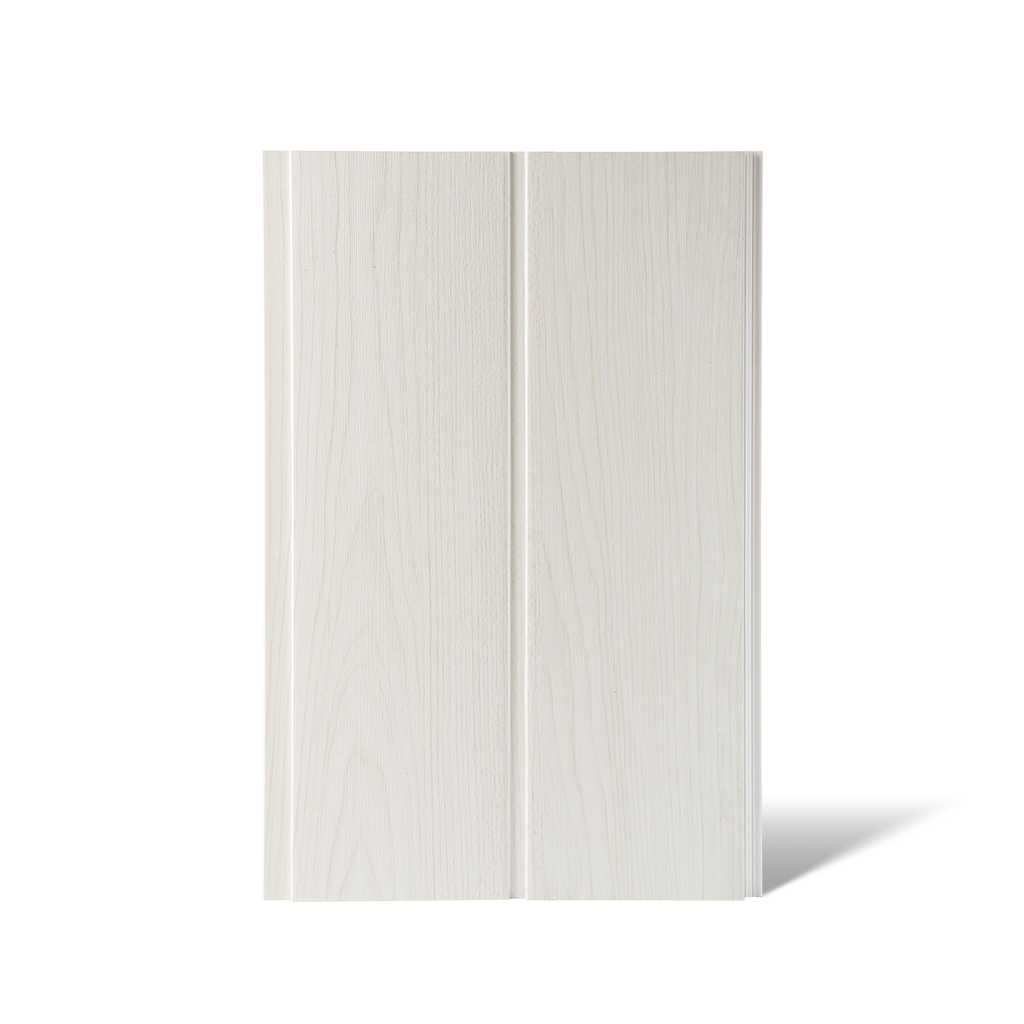
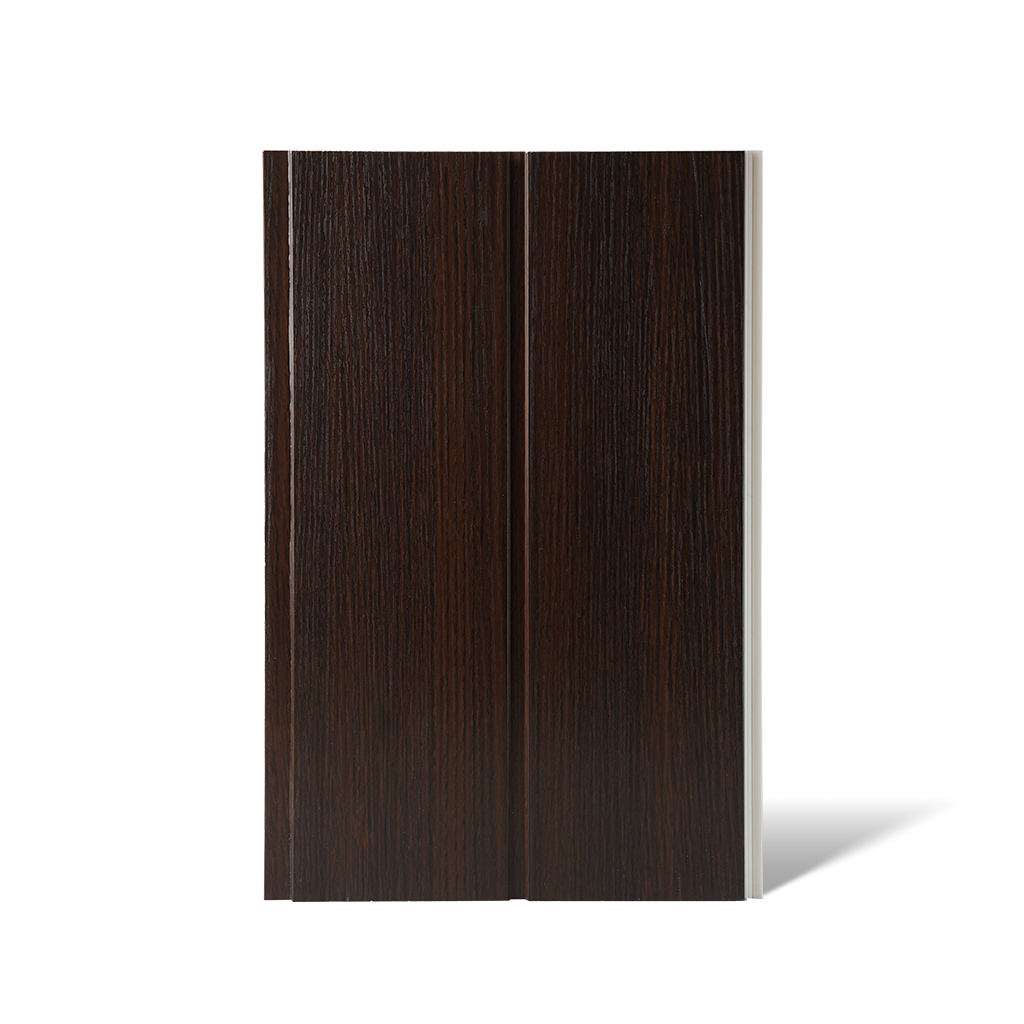


.png)
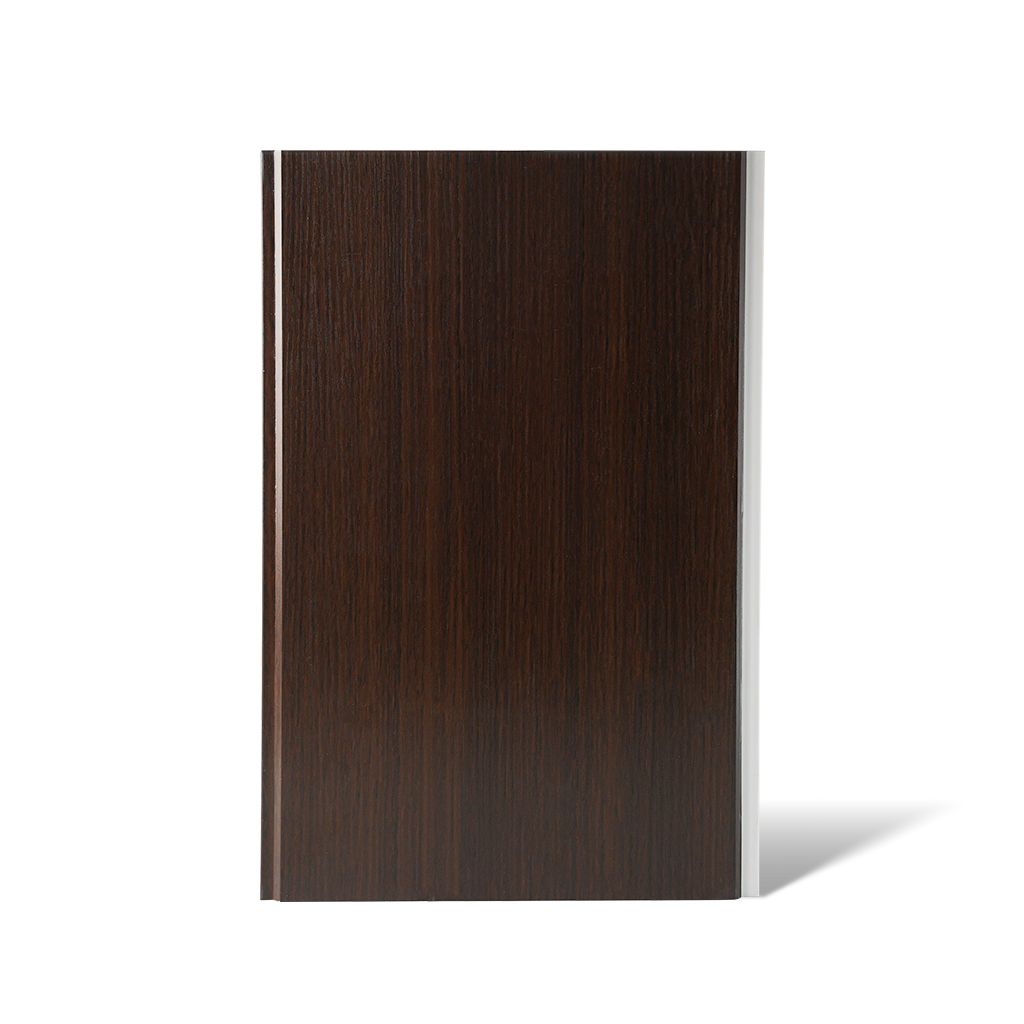
.png)
.png)












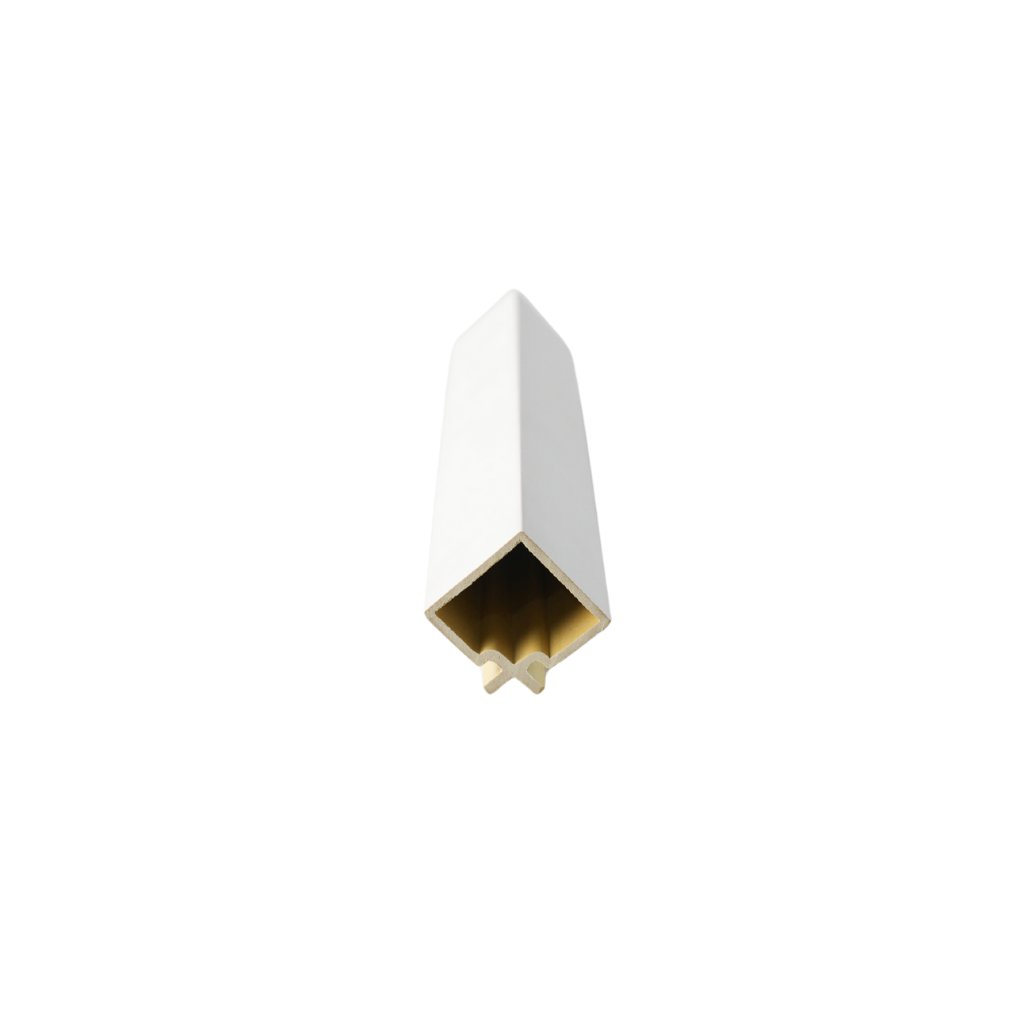
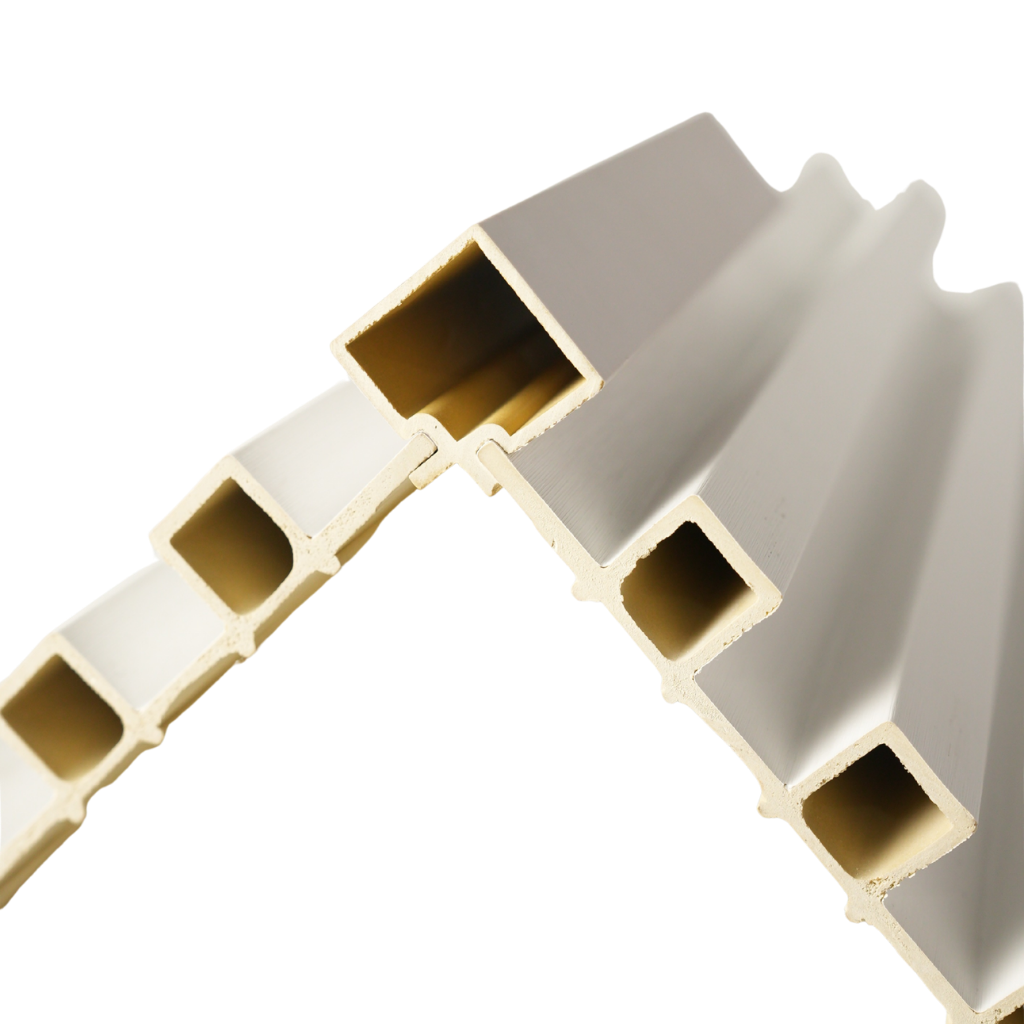
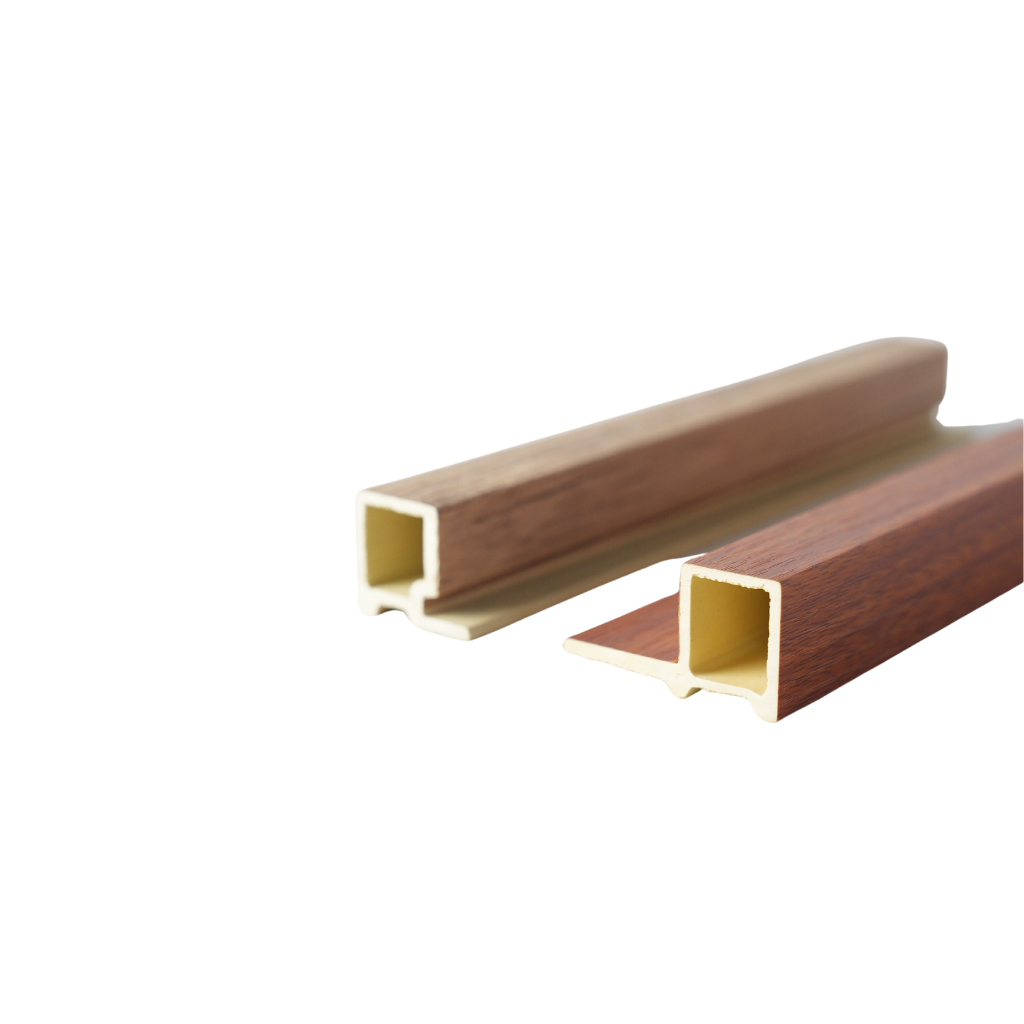
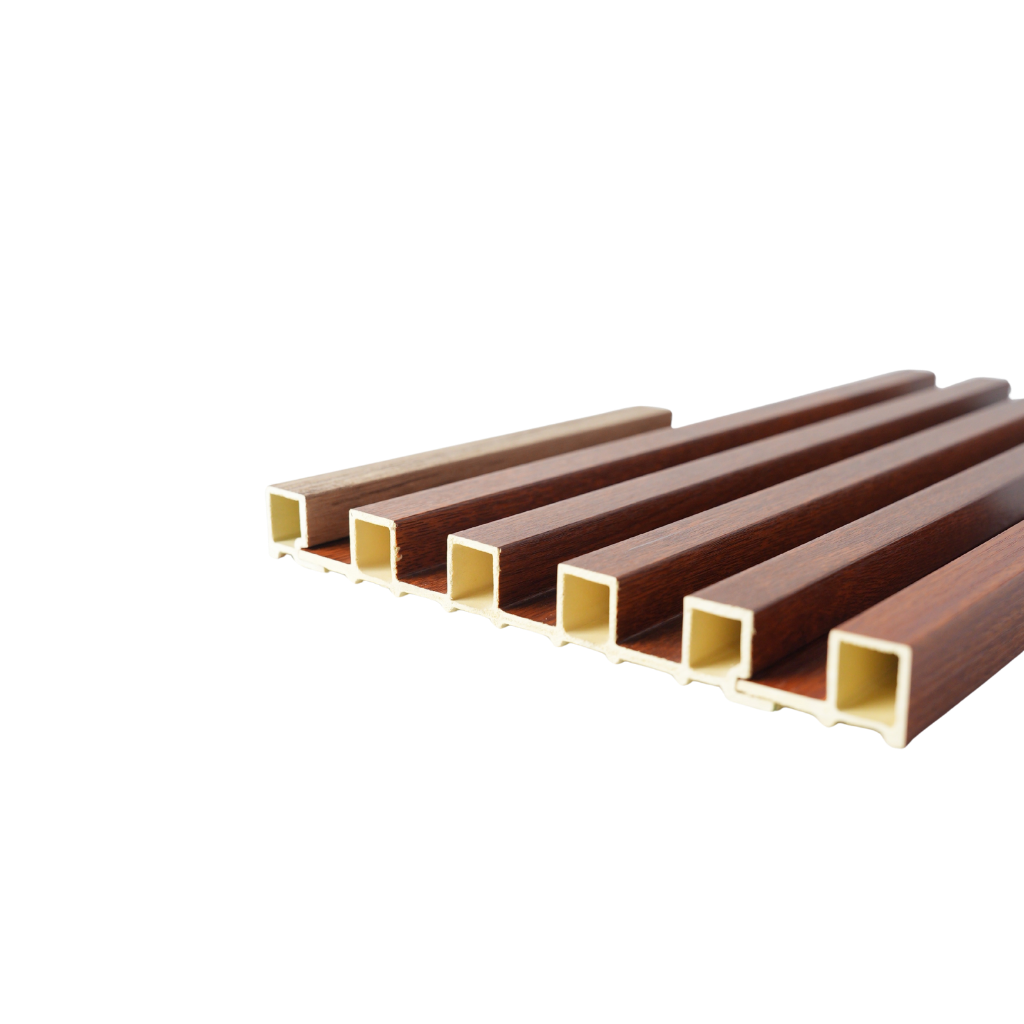

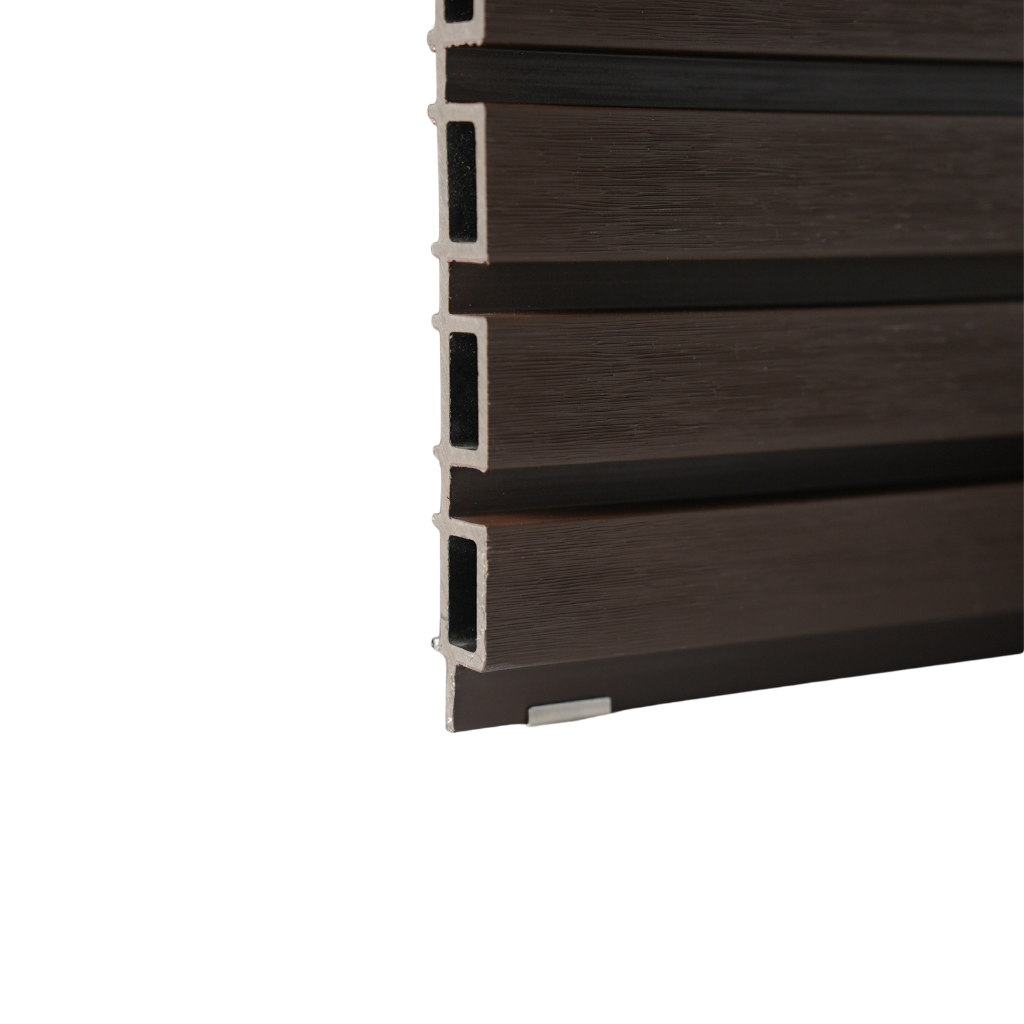
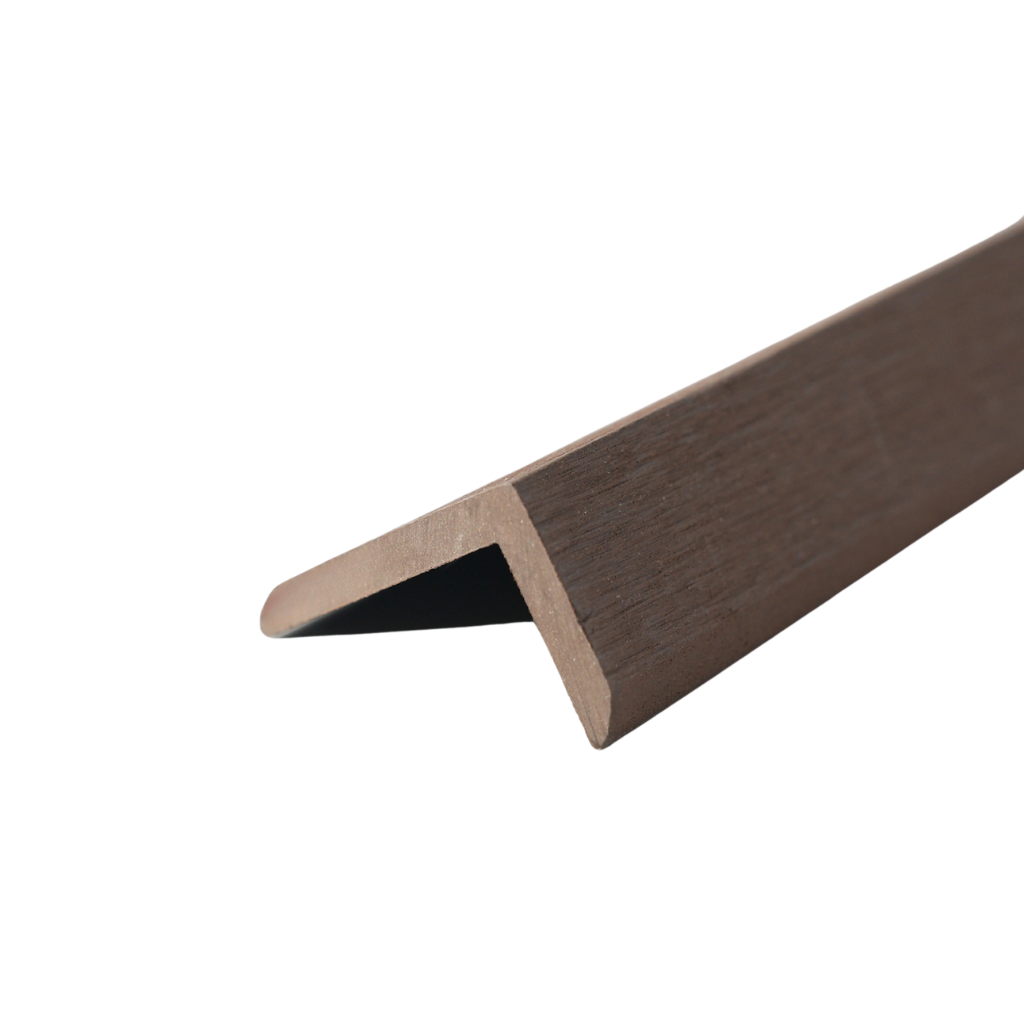
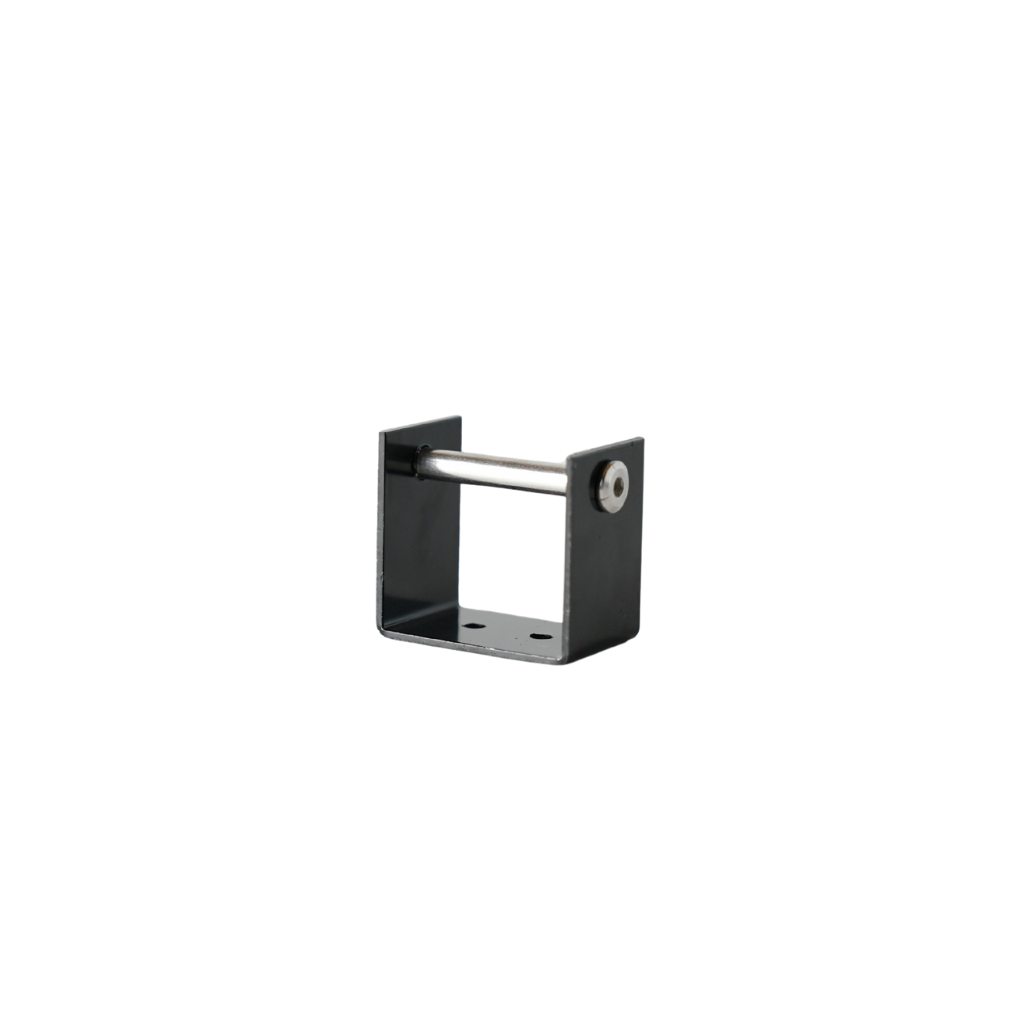
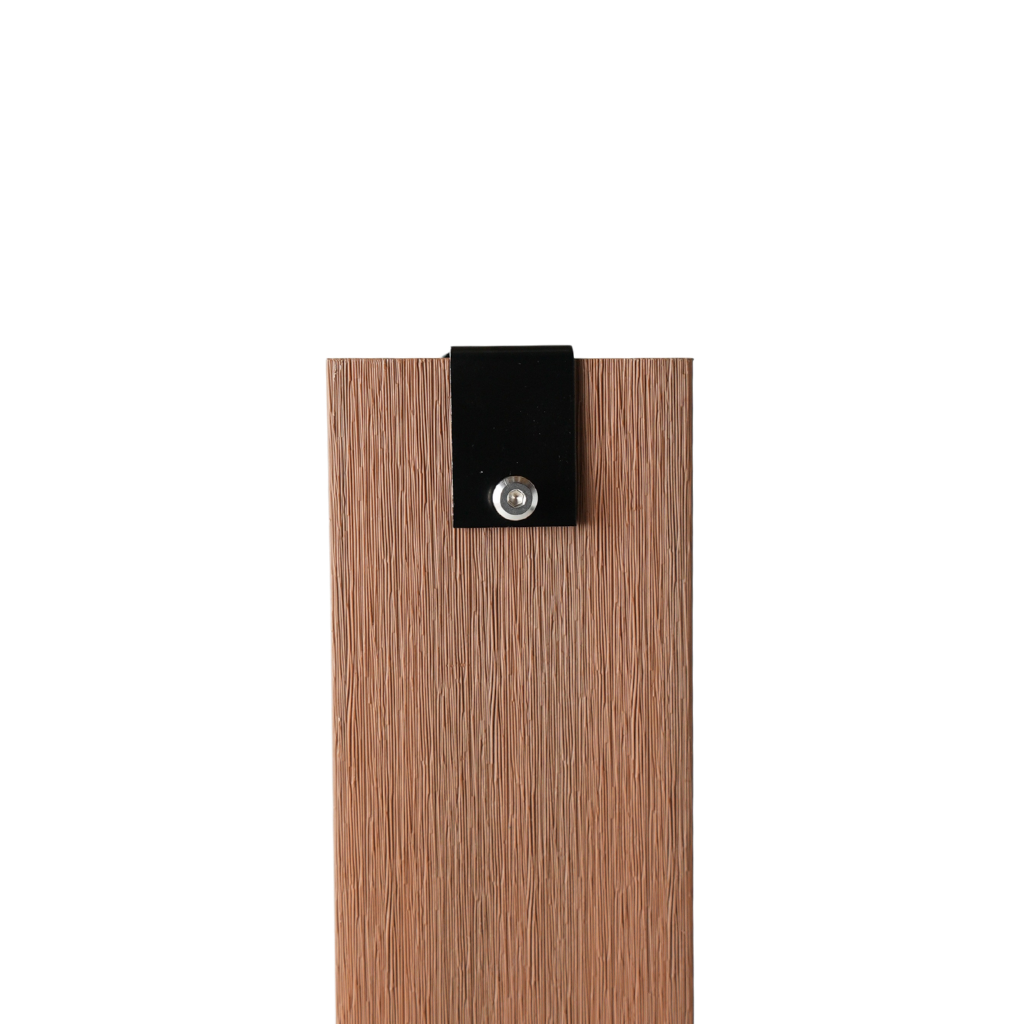

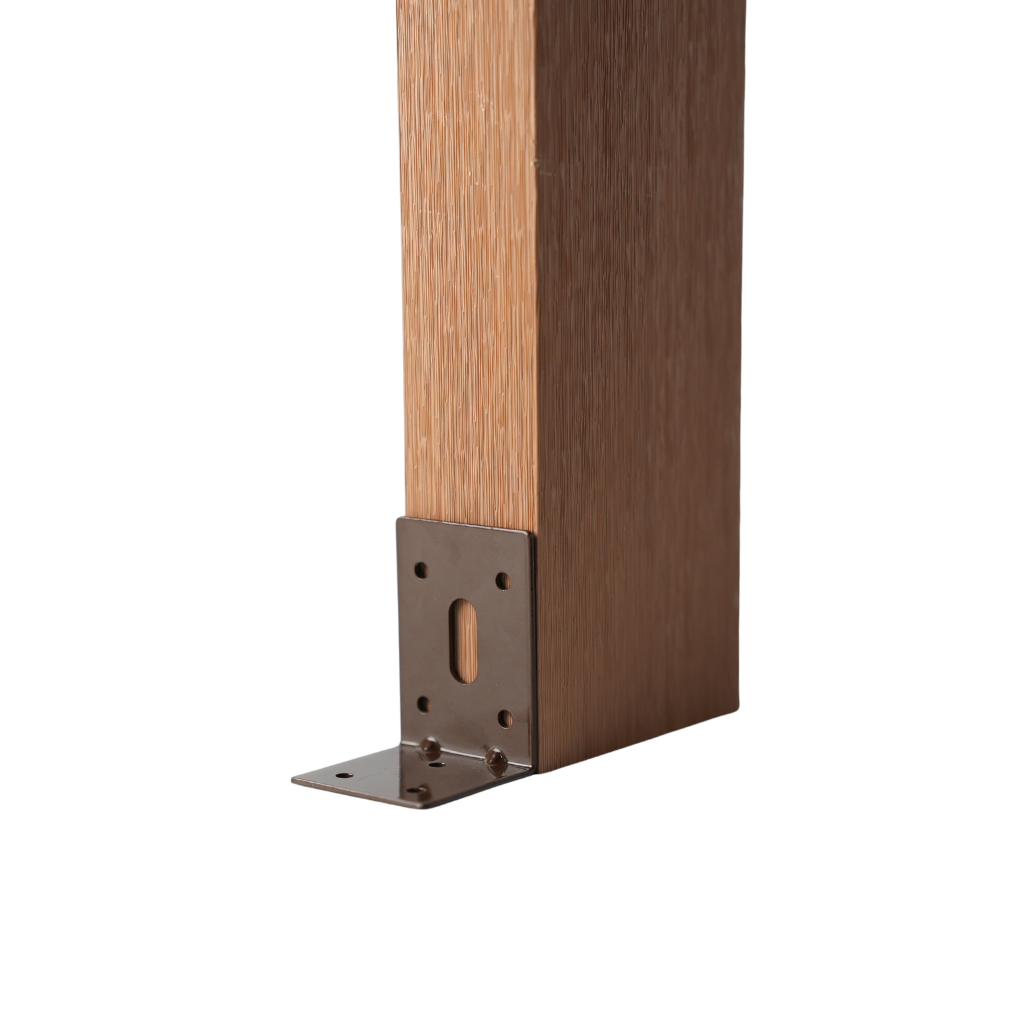
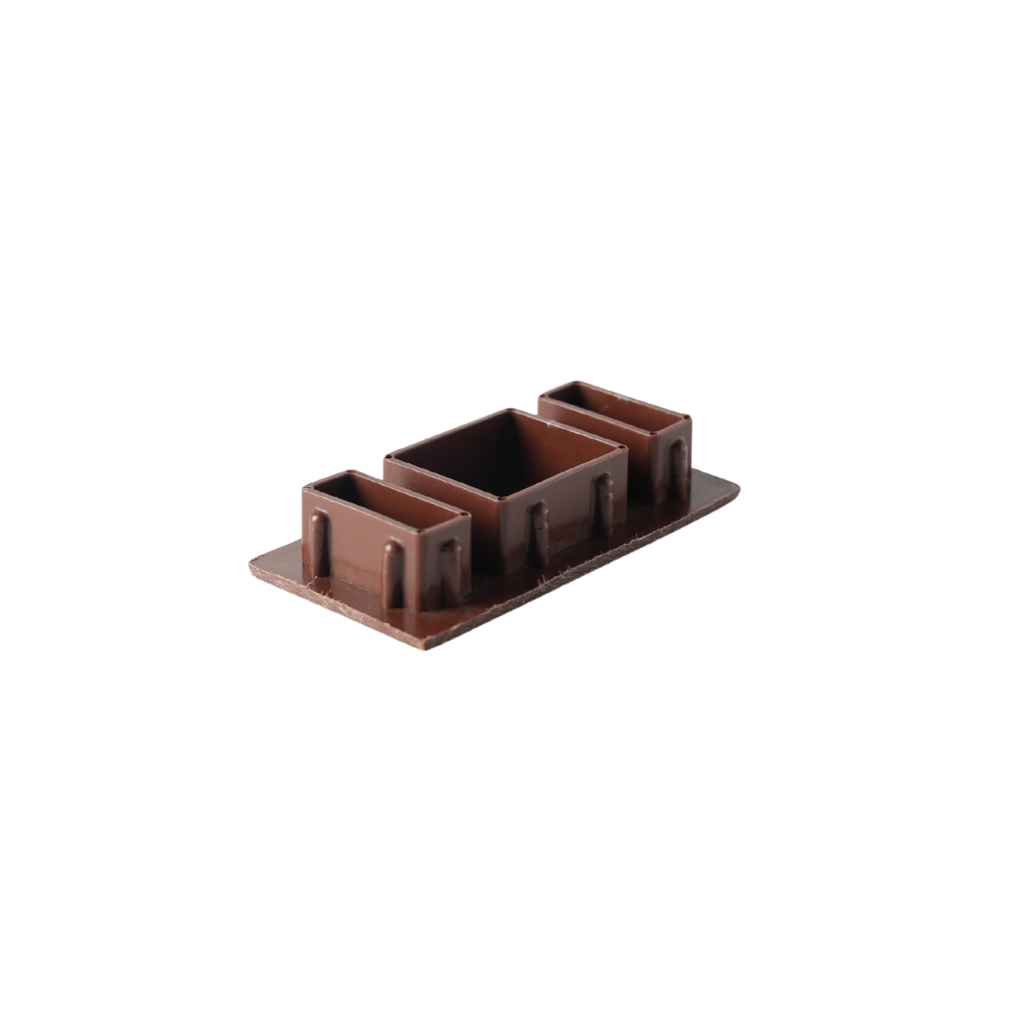
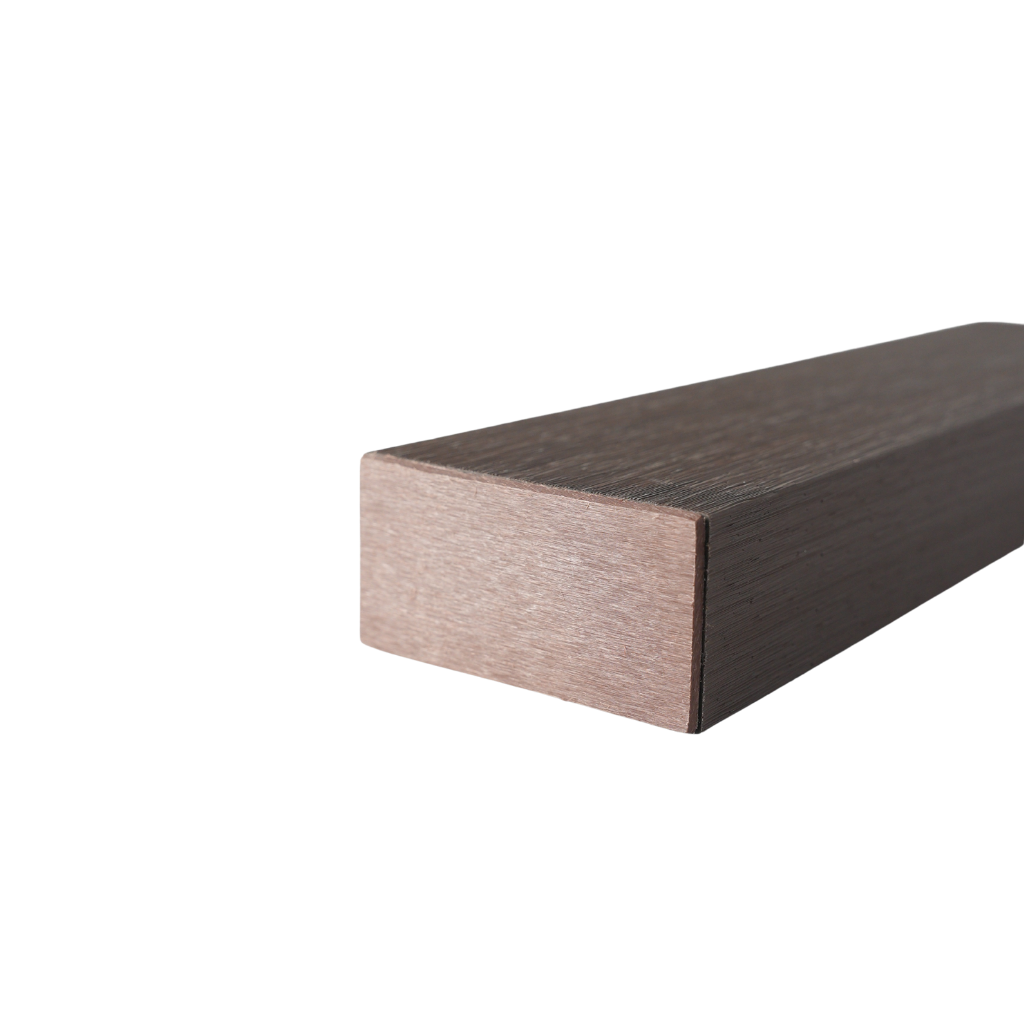
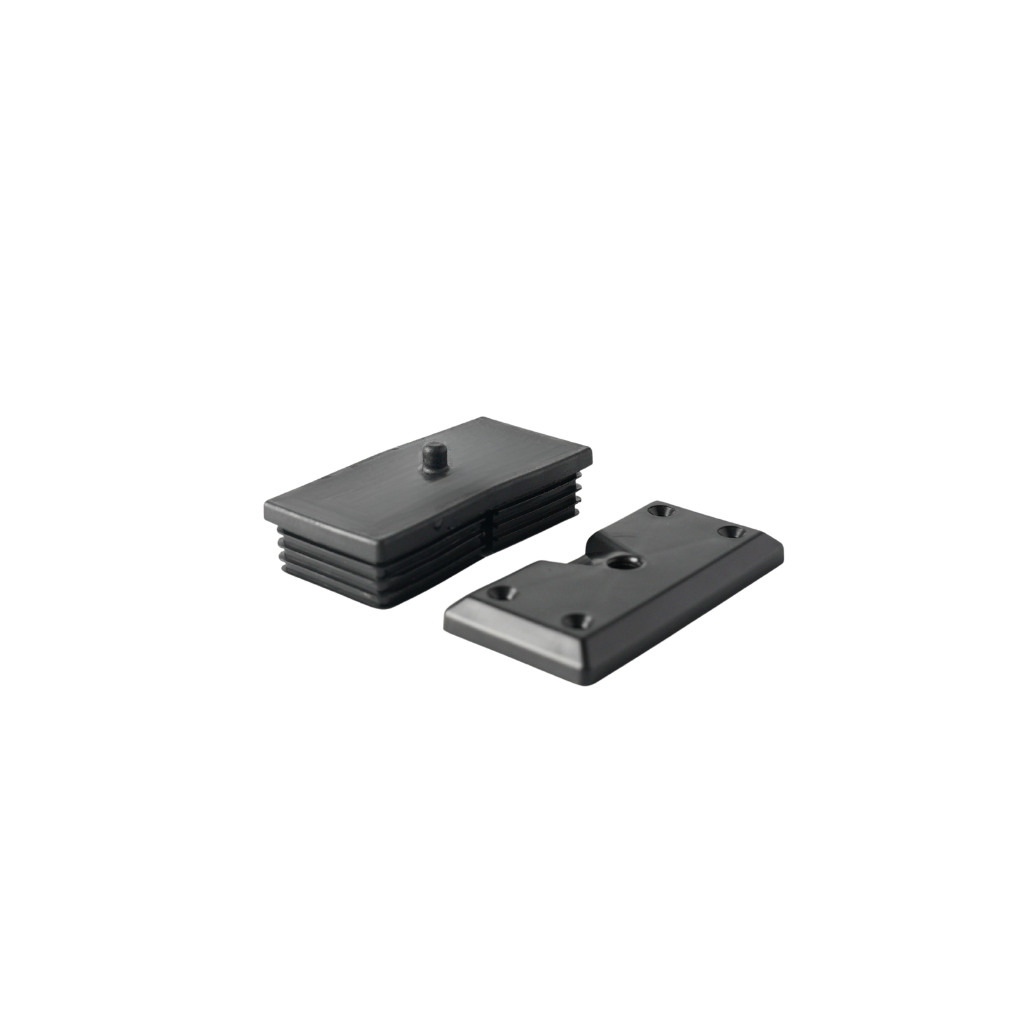


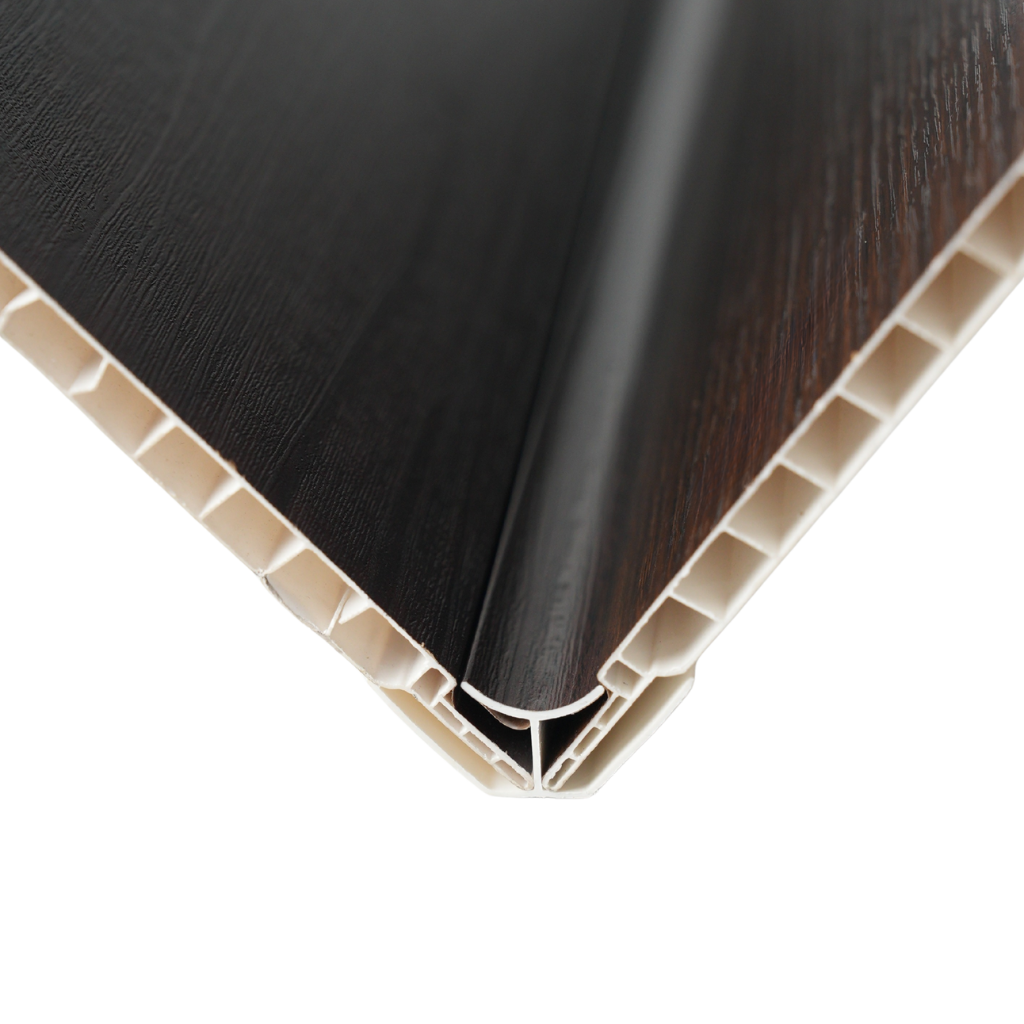
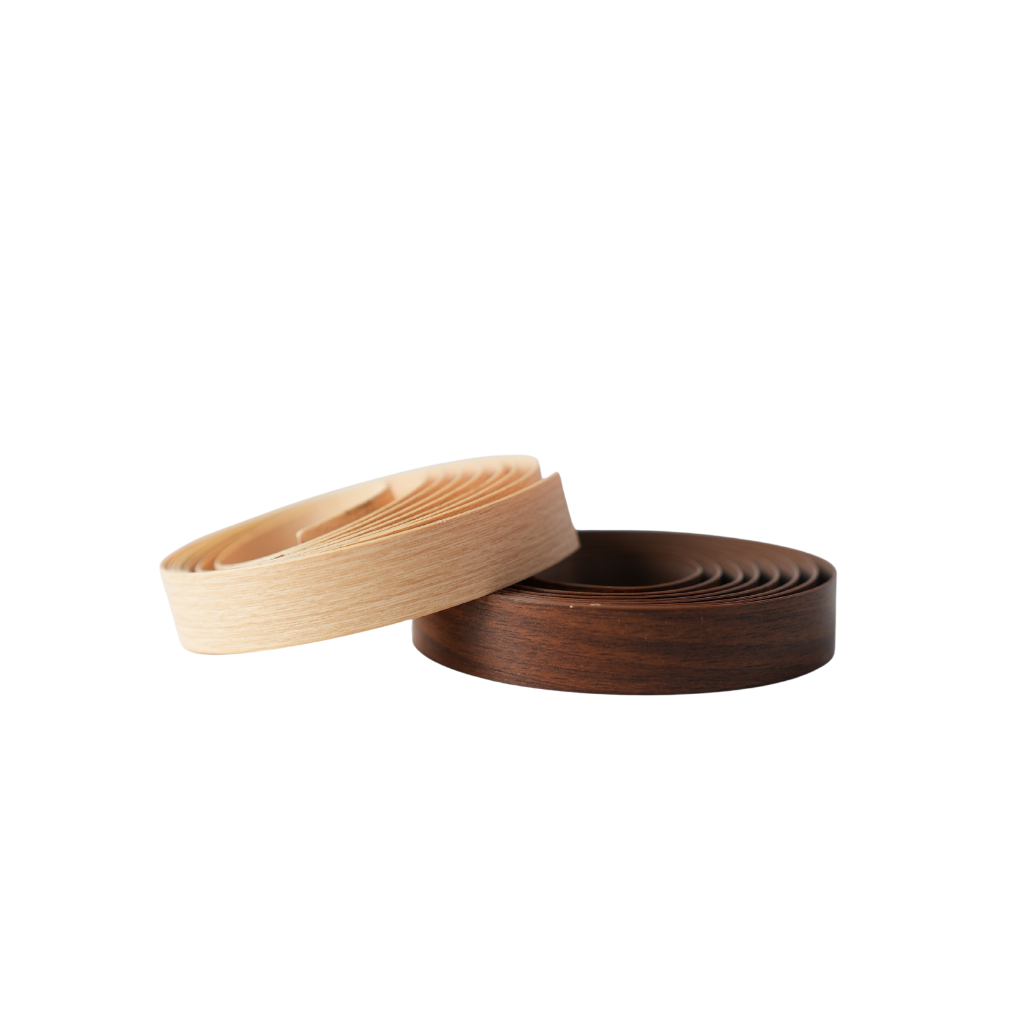
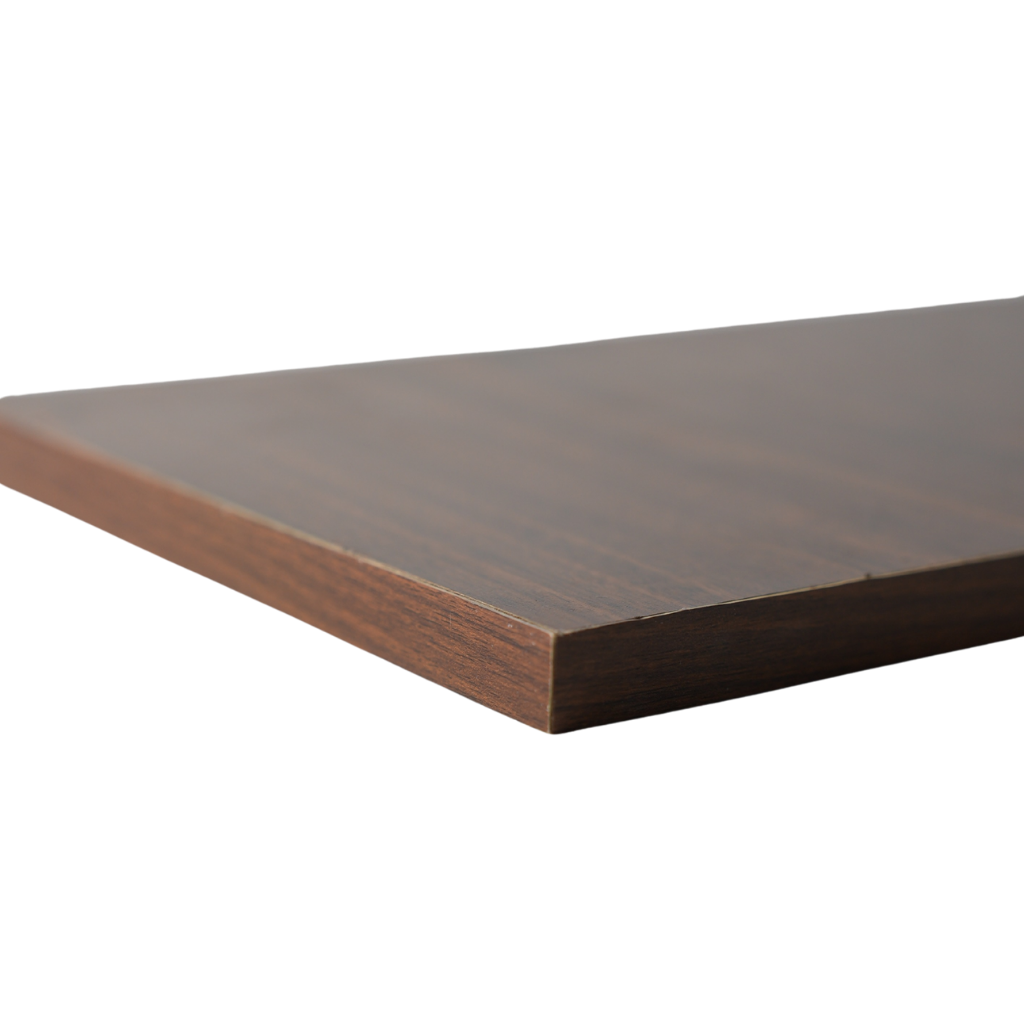

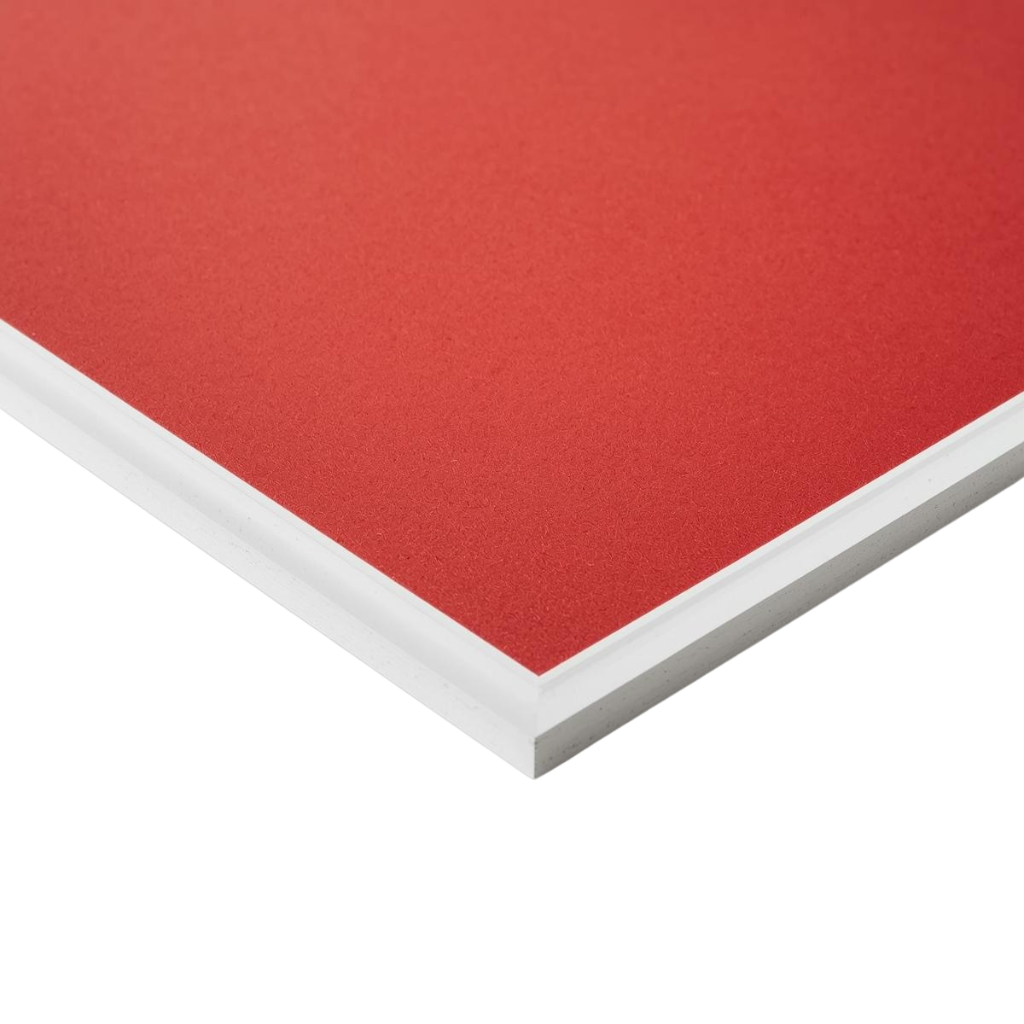
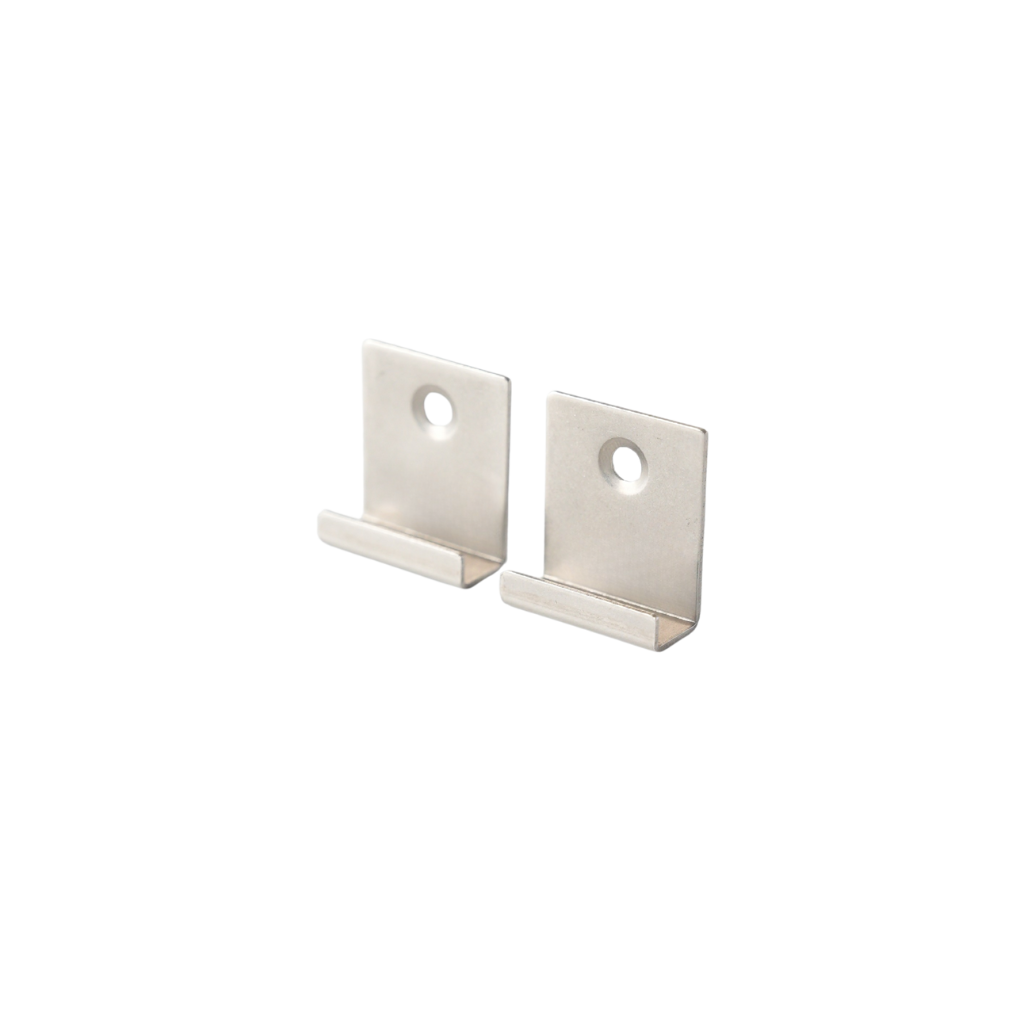
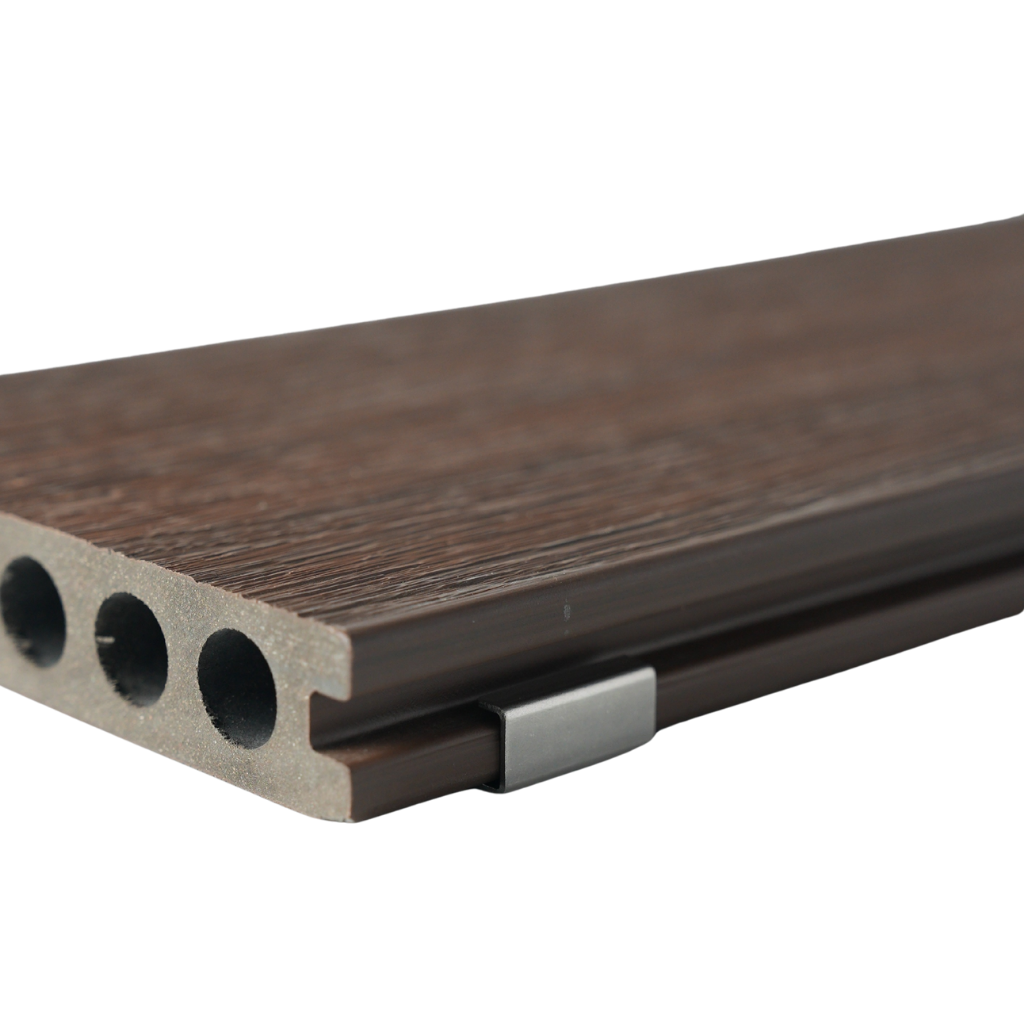
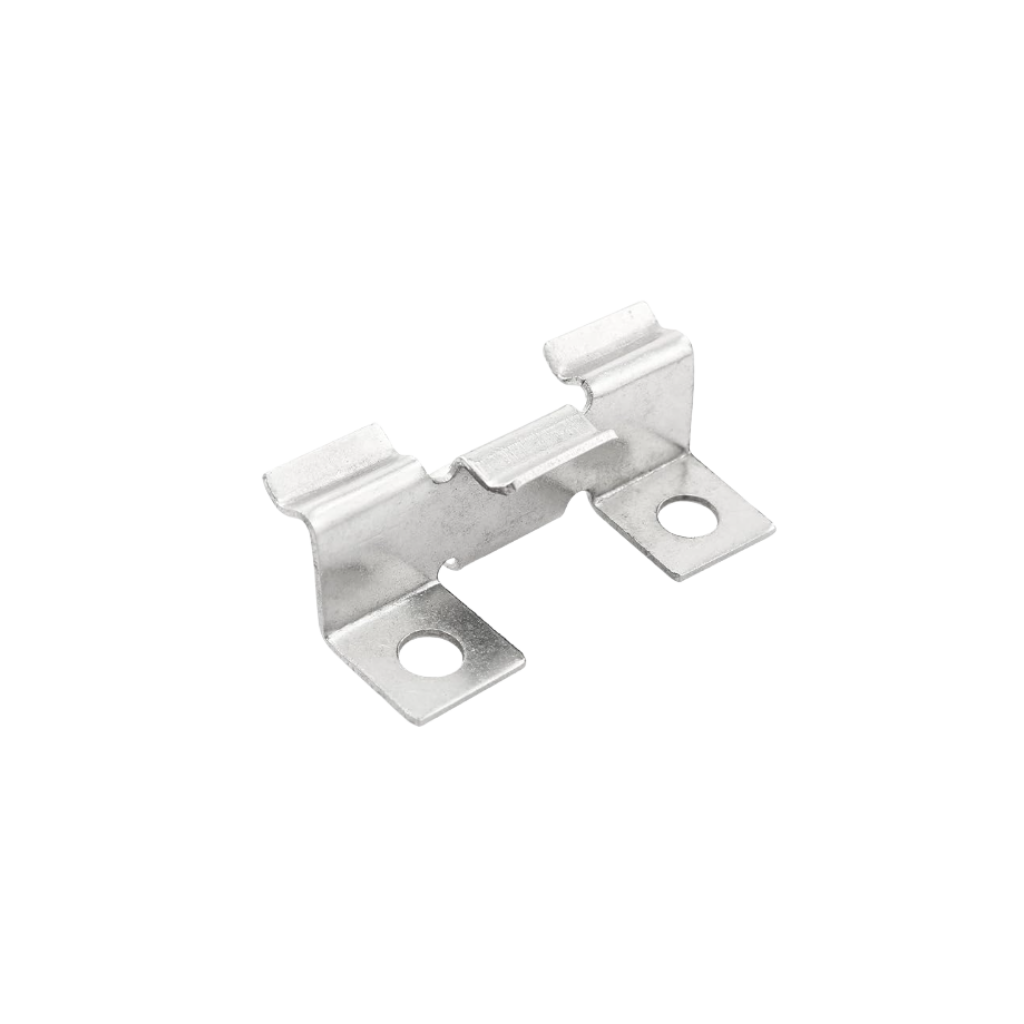
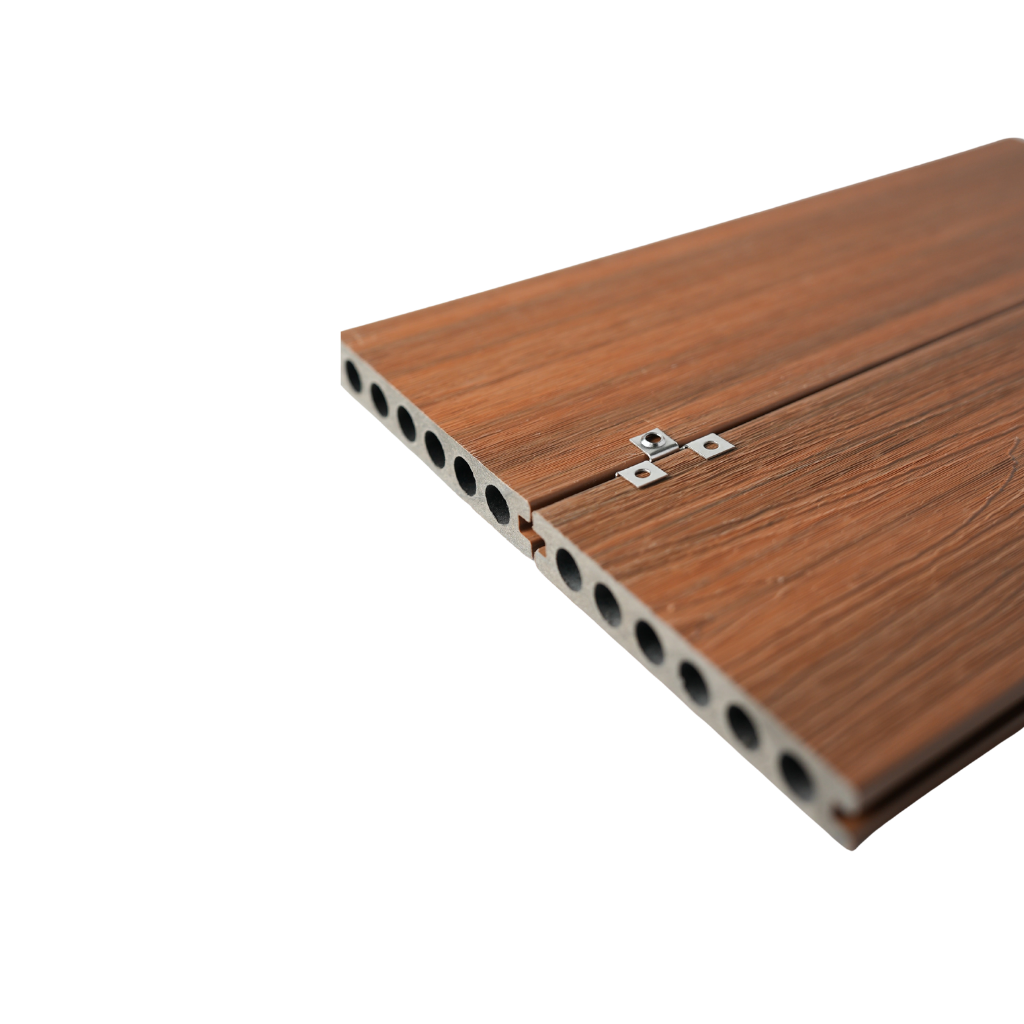

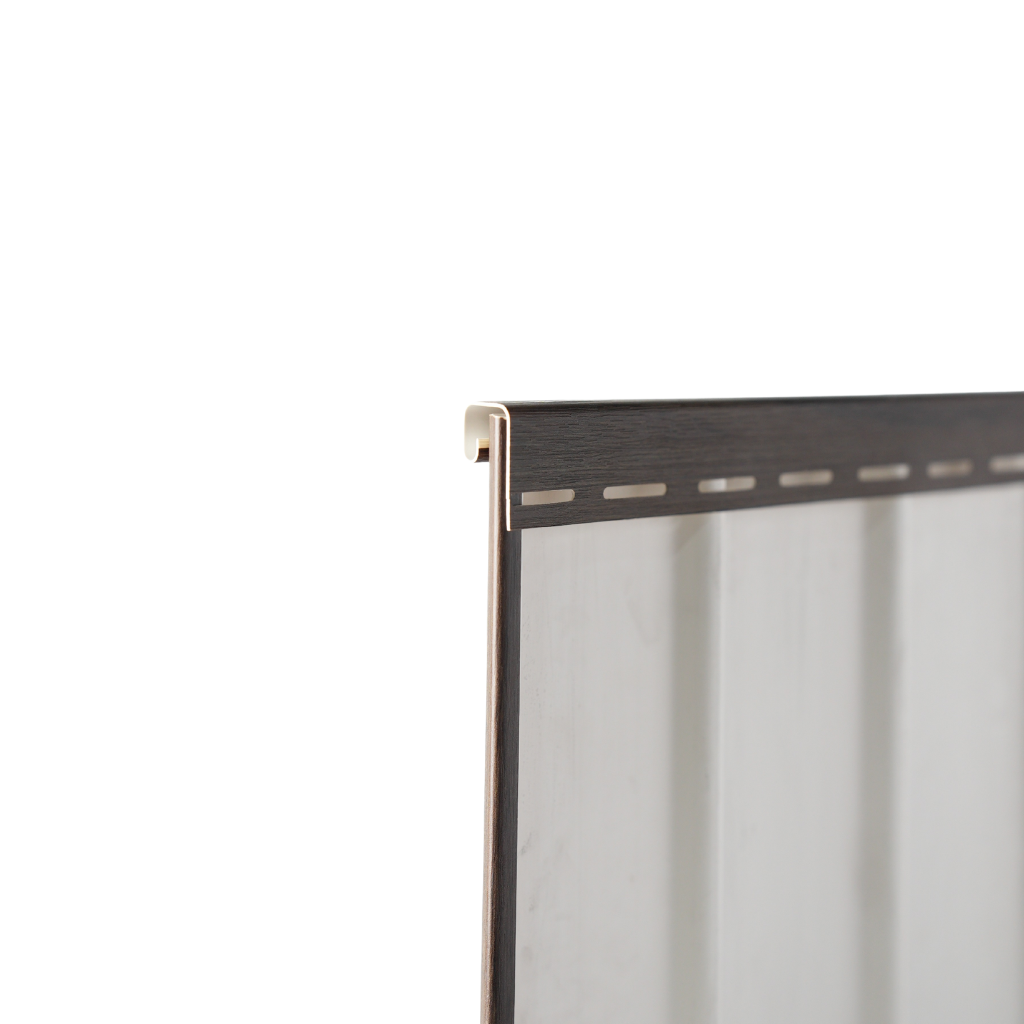

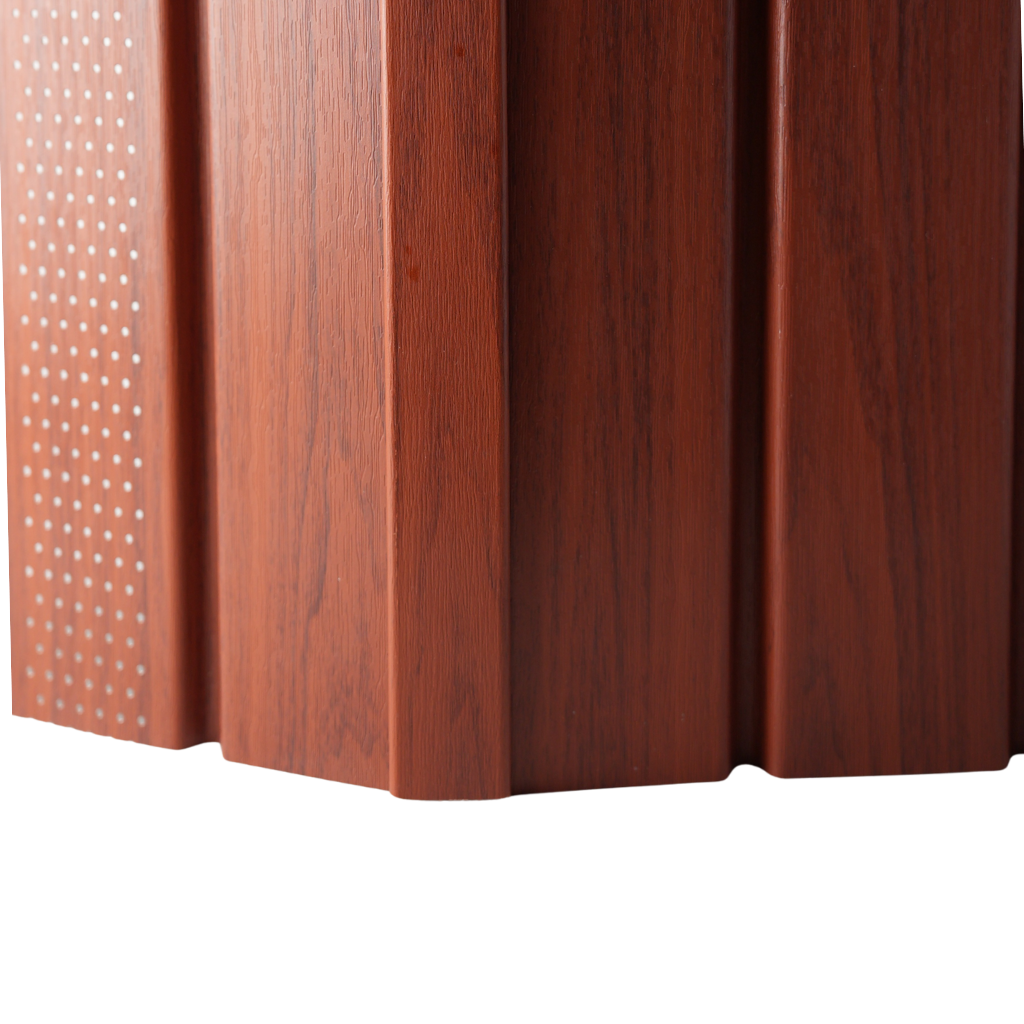
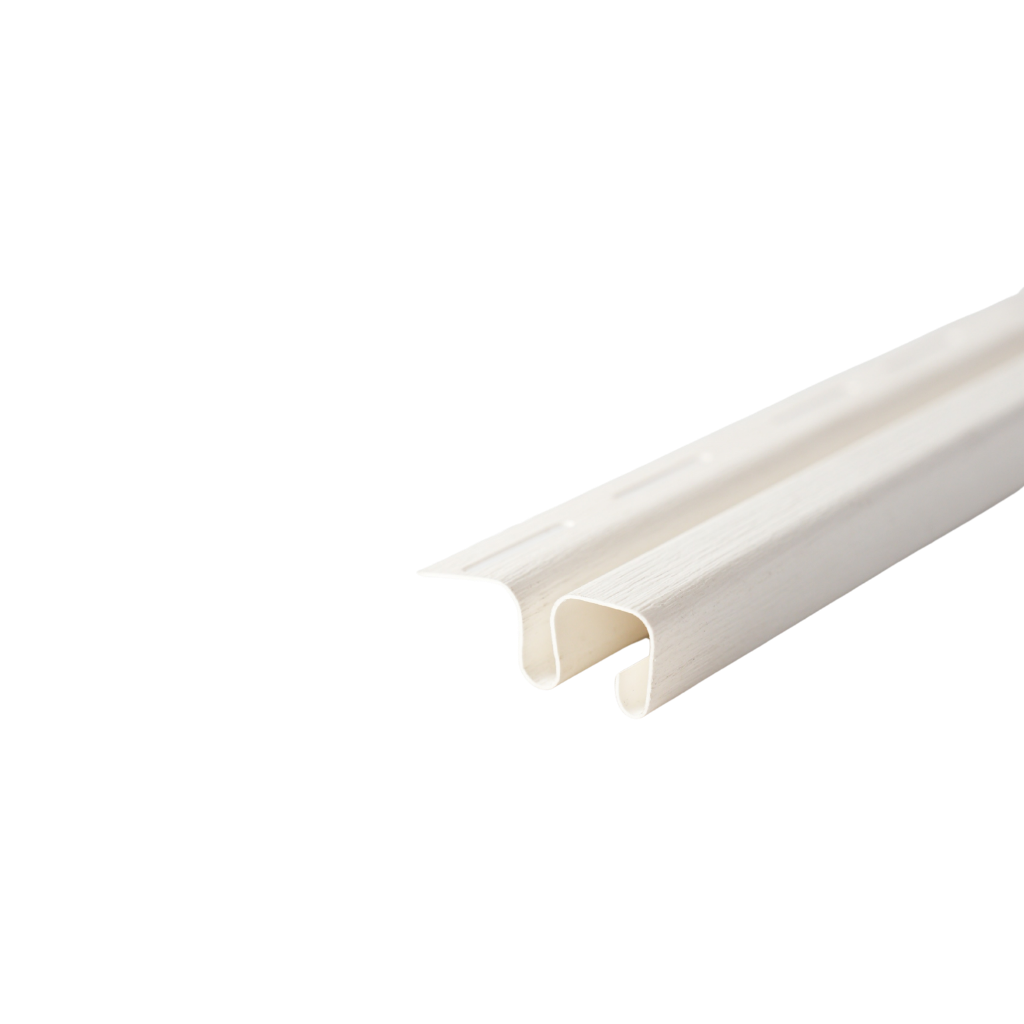


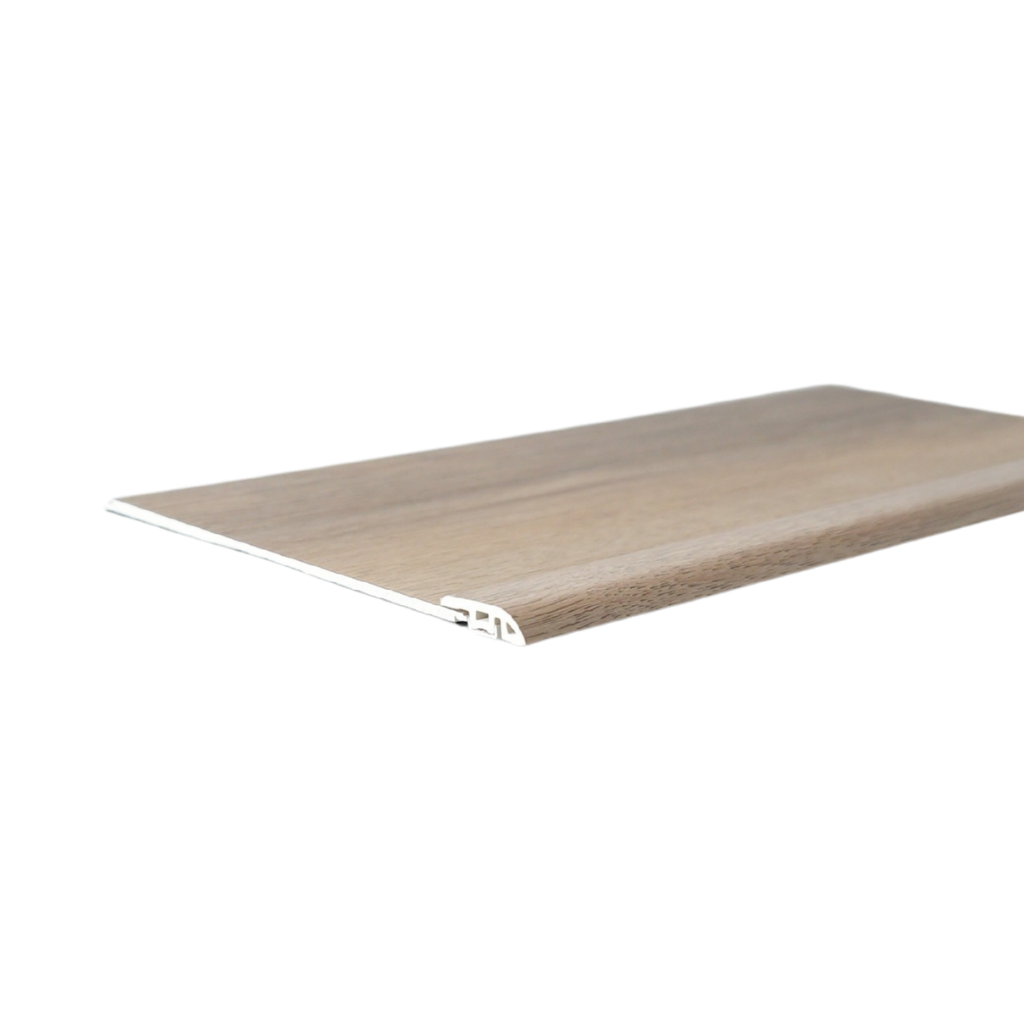
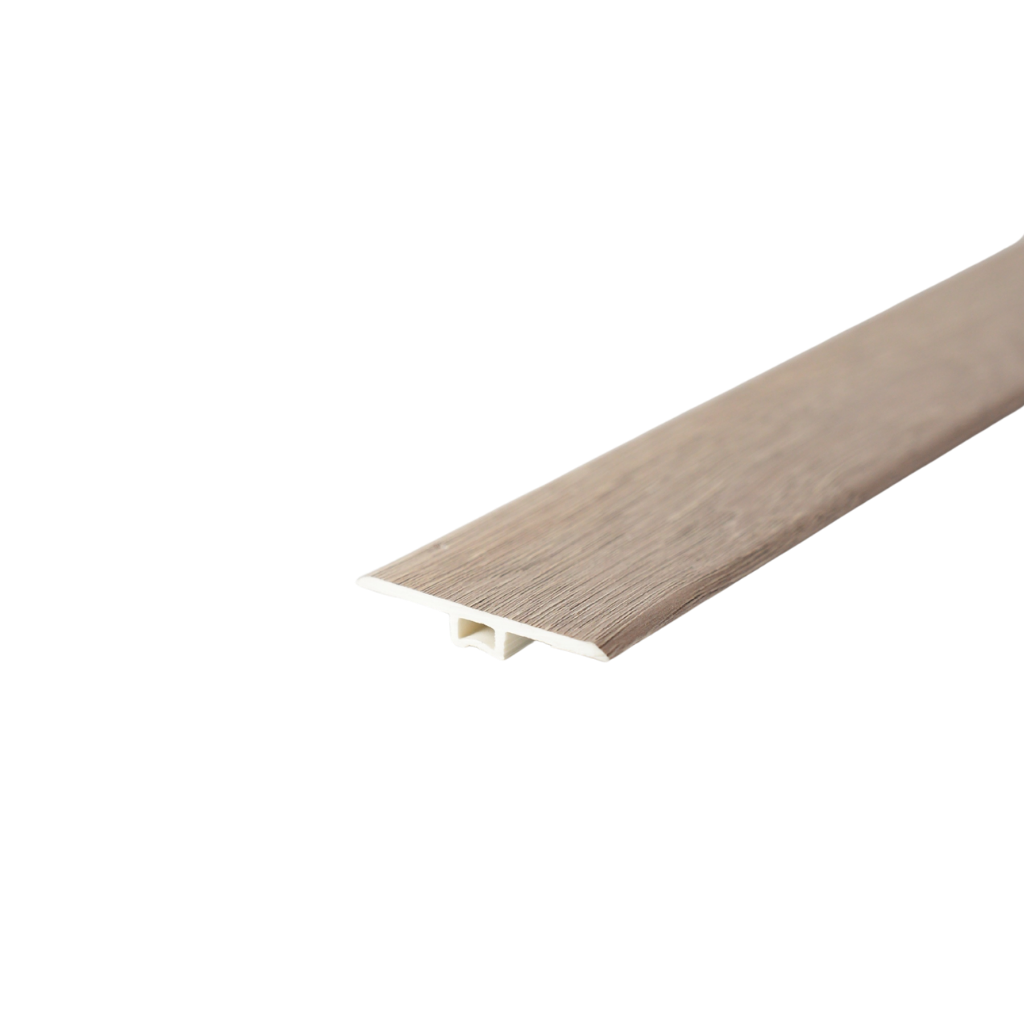
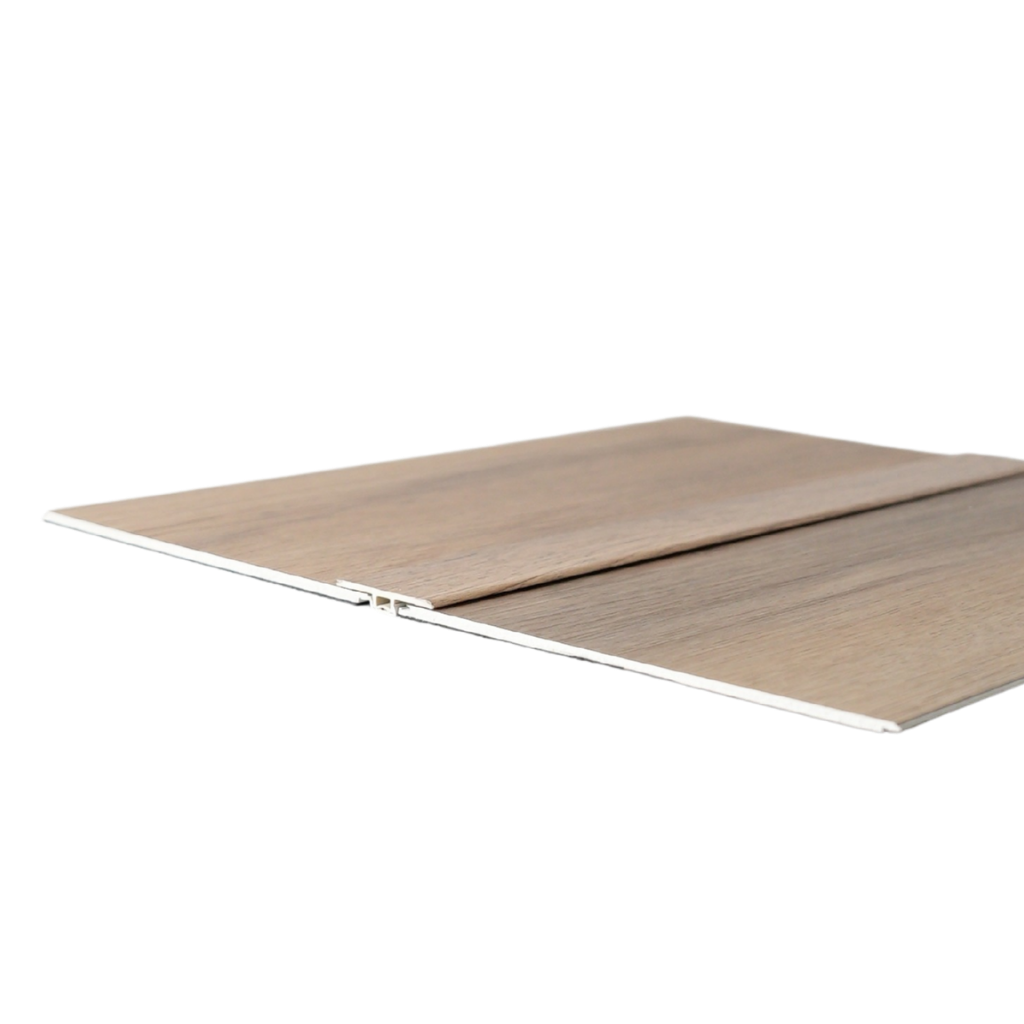
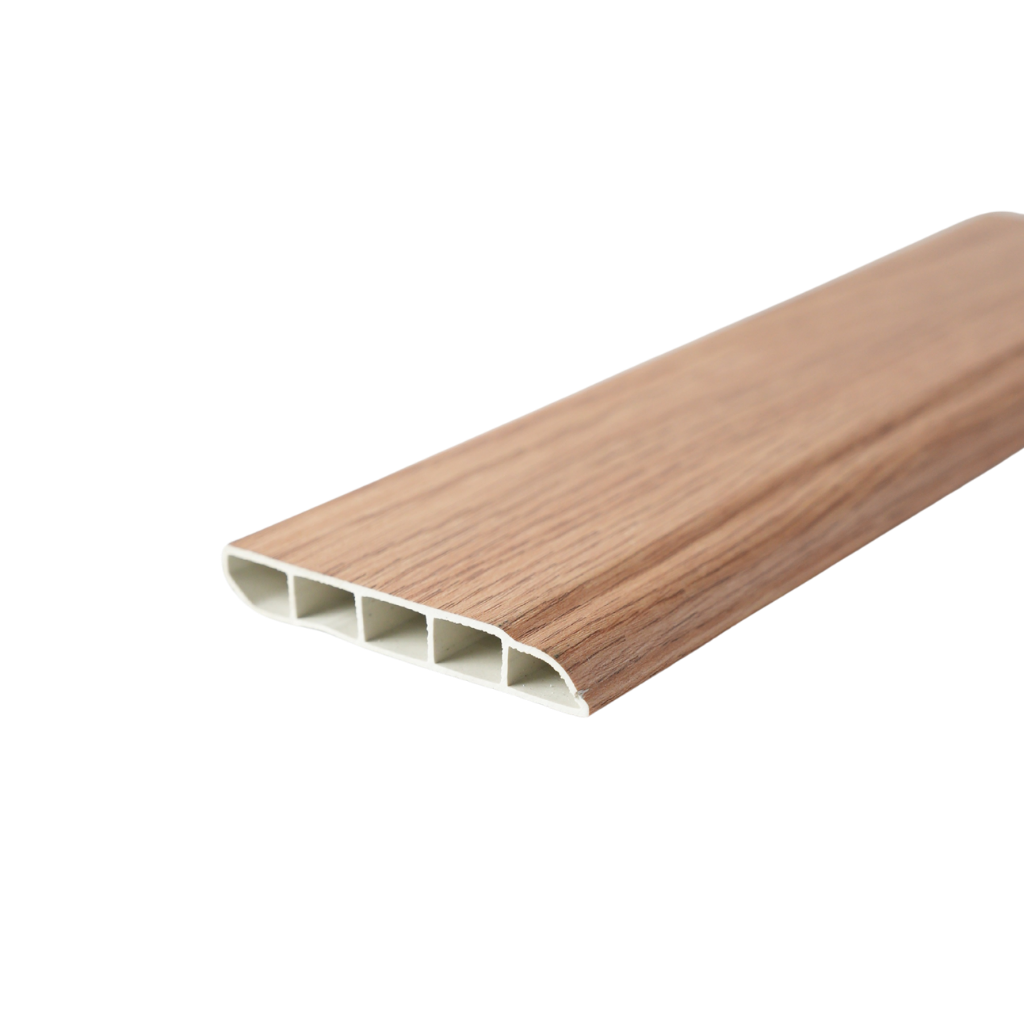

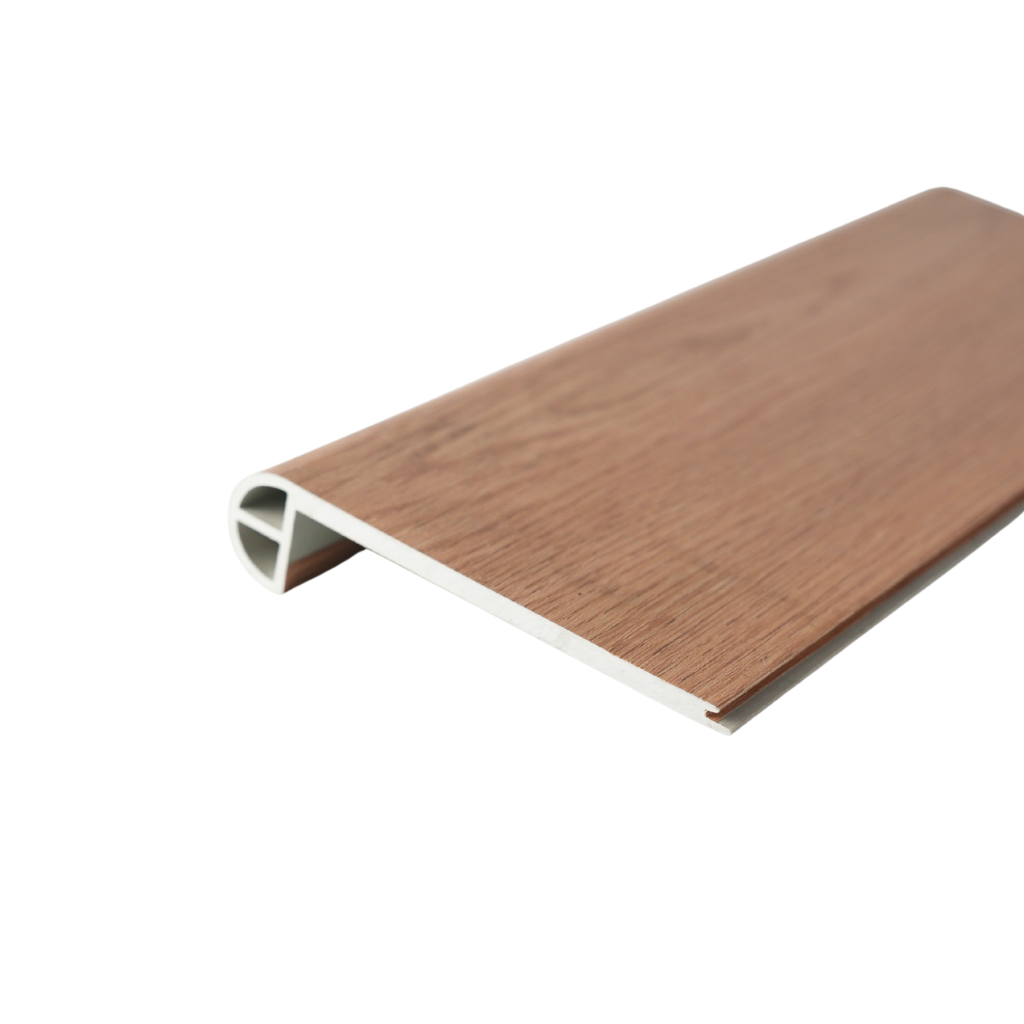

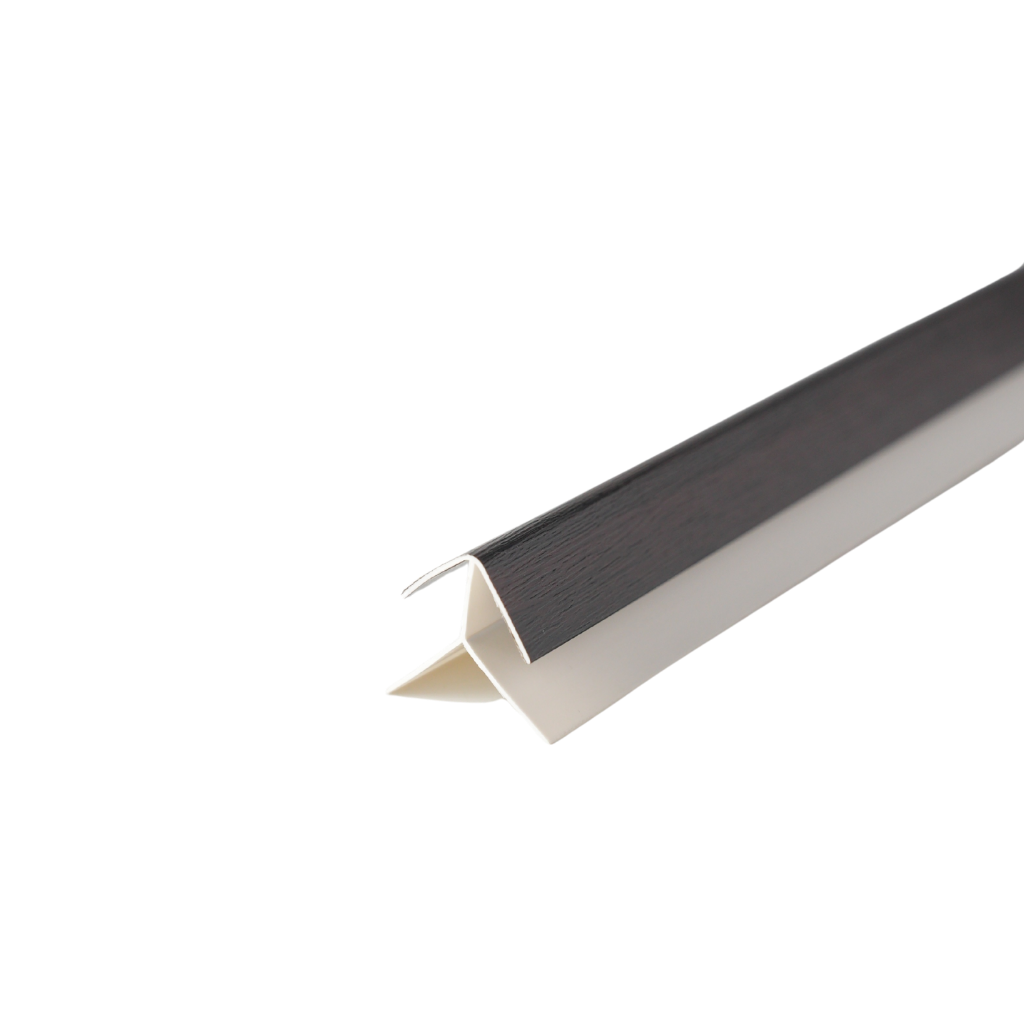

ACCESSORIES
Complete your products with our premium accessories and finishing items.
FREQUENTLY ASKED QUESTIONS
Find quick answers to common questions about our products.
What is Econiclay Covering?
Phomi Econiclay Covering (eCovering) is a surface material made from authentic modified clay. It is a natural, inorganic product that contains no resins or toxic ingredients. It has a fire rating of A2-S1,d0 (limited combustibility and self-extinguishing). The surface resists fading and weathering for up to 50 years. It offers eco-friendly, durable, and visually appealing finishes for both interior and exterior use.
Is Phomi Econiclay Covering different from Modified Clay Material?
Phomi Econiclay Covering is a specific type of Modified Clay Material (MCM) that uses an unfired manufacturing process using low heat, and low temperature technology that improves its sustainability, durability, and fire-resistant properties.
What makes eCovering eco-friendly?
During production, ECovering uses relatively lower water and energy, with 93% of its raw materials coming from industrial waste such as soil, ceramics, and stone scraps. It has zero carbon footprint and can be fully recycled, saving 17,000 hectares of forest, 46 hectares of quarry land, prevents 60,000 tons of wastewater, and avoids 1,200 tons of coal consumption per 10,000 m² of eCovering. Because of its lightweight properties it reduced transportation energy by 94% compared to stone. For more information, read our blog on ECovering’s sustainability. https://www.decocity.com.ph/blogs/econiclay-covering-vs-traditional-brick
How is eCovering different from other polymer-based materials?
Phomi eCovering uses less than 5% polymer, relying mainly on inorganic clay. It bonds chemically through an inorganic gel reaction, while common resin products only form a physical coating. This makes eCovering more durable and environmentally friendly.
What is the material composition of eCovering?
The material is mainly inorganic minerals with a small amount of polymer. Typical composition:
- Calcium Silicate ≈ 30 to 35 percent
- Calcium Aluminate ≈ 25 to 30 percent
- Calcium Carbonate ≈ 30 to 40 percent
- Acrylates Copolymer ≈ 6 percent
These components give the product its fire resistance and long-term stability.
On what surfaces can eCovering be installed?
It can be applied on cement, old tiles, old paint, fiberboard, and solid or composite wood, for indoor and outdoor applications.
What are the site conditions for installation?
Avoid installation during rain or when humidity exceeds 90%. Do not install in strong winds (above level 5). The temperature should be between 5°C and 40°C. Ensure the surface is clean, dry, and free from cracks or dust. Avoid direct sunlight during application.
What should I avoid during and after installation of Econiclay Covering?
Do not wet-wipe the surface immediately after installation. Avoid solvent-based coatings, direct sun exposure during curing, and high-heat storage.
What adhesives should be used in Econiclay Covering?
Use only low-alkaline adhesives. Mix one bag of tile adhesive with half a gallon of Redifix glue. Do not use pure cement as adhesive.
How can I clean and maintain Econiclay Covering?
ECoverings are easy to clean and maintain but simple upkeep is necessary to ensure its optimal performance.
- Routine Cleaning
Dust can be removed using a soft bristle brush or vacuum with soft brush attachment. For persistent dirt, gently wipe with a slightly damp microfiber cloth. Do not use harsh chemicals and abrasive tools to prevent scratching the panels. from Different stains can be treated depending on the type of stain:
- Fingerprints: Erase with rubber or damp cloth with neutral detergent
- Oil Stains: Apply diluted neutral cleaner (e.g. dish soap), then wipe with clean water
- Pencil/ Crayon Mark: gently remove with alcohol or specialized cleaner
- Special Maintenance
For extreme damages like noticeable cracks and irreversible stains like dye penetration and mold spots, panel replacement may be required.
What is HPL and what is it made of?
High Pressure Laminates or HPL, is made by layers of paper, resin, and overlay pressed together under high heat and pressure. The result is a compact, decorative material best for indoor applications. High quality HPL sheets guarantee strong resistance from wear and tear, even when placed in high traffic areas like the kitchen, dining room, counters, or dining area. Lamerra HPL Sheets offer both solid and wood grain swatches whether you want a neutral or a nature inspired interior. Whether they are used for a punchy and bold accent wall or a neutral, solid-colored base — HPL can be a sight to behold when used correctly.
Can HPL be installed outdoors (outdoor desk cabinets, shelves, walls)?
It is not recommended to install HPL sheets outdoors since they are sensitive to extreme temperatures. Swatches and patterns of the sheets may fade or tarnish once exposed to UV light for a long time.
Are laminate sheets stain proof?
Laminate sheets are resistant to stains like coffee or water spills, condiments, or other liquid elements. They are also resistant against ink stains and the likes. Wipe it immediately with a damp cloth and finish it off with a clean dry towel to retain its pristine condition.
Can HPL be used as a kitchen countertop?
Yes, HPL can be used on kitchen countertops, with the exception of metal and cement substrates. It can also be used in any interior furniture.
Are laminate sheets waterproof?
High pressure laminates are not waterproof, but they are highly water resistant, which means that it can withstand kitchen spills, water stains and puddles. Take note that it is not recommended to be used in the bathroom, or areas where it will be constantly wet, because water can seep through in between and ruin the appearance of the laminate sheets.
How do I install HPL sheets?
Good adhesion is important to install HPL. To start, ensure that the area of application is flat, dry and free of dirt or other bumps. Cut the material according to your project, and use contact cement. Once dry and ready, the HPL Sheet is joined together with the surface. For a more detailed instruction, download our installation guide.
How to cut HPL?
HPL can be cut either with a jigsaw or circular saw for an easy and clean cut. Score using a utility line before cutting to ensure a clean cut.
How to fix the HPL sheet?
Small cracks and chipped laminates can be repaired by applying either a putty, patches, or a repair paste on the damaged surface. But for larger damages, whether broken or discolored, it is better to replace them with new ones.
Do you sell cabinets?
No. Lamerra is a Philippine supplier of premium quality high pressure laminates, which you can use in cabinets, furniture, interior walls, and shelves.
hat are Lamerra Flexible MDF Panels and how does it differ from regular MDF Panels?
Medium Density Fiberboard or MDF Panel is a flexible material for multiple applications. Manufactured using wood fibers, resins, and wax, the resulting product is a smooth, dense surface ideal for paint. With dimensional stability, each sheet is resistant to the constant change in temperature, with consistent design for an affordable price. Lamerra MDF Flexible Panel is made by refined woods combined with resin to form a dense, durable and stable sheet. Unlike regular MDF, It has flexible features, specifically machined grooves that allow for bending, without compromising the strength or surface finish of the material.
What are the common applications of Flexible MDF?
Flexible MDF can be used in the following applications:
- Curved Wall Panels and Partitions: For smooth, continuous curved surfaces in interior spaces.
- Furniture Design: To create non-linear components like curved table legs and chair backs.
- Ceiling Features: For fluid, contoured ceiling designs requiring precision bending.
- Retail Display Units and Showcases: In forming dynamic, curved display structures.
- Architectural Moldings: For curved molding profiles and trim work, ensuring precise fitment around rounded surfaces.
Which surfaces or materials are compatible with MDF Flexible Panel?
MDF Flexible Panels can be installed on various substructures that are smooth and rigid, such as concrete walls, wood or plywood, and drywall.
What is the bending limit of flexible MDF Panels?
The degree of flexibility depends on the grooves as provided on the installation guidelines. A smaller or tighter diameter might be possible, but it's best to test before attempting bends smaller than the specified diameter.
Is MDF Flexible Panel appropriate for installation in outdoor and/or wet areas?
No, MDF Flexible Panels should not be used in wet areas, whether indoors or outdoors, as they are not designed for prolonged exposure to moisture. Doing so can lead to water damage, resulting in permanent swelling and deterioration.
Can I use nails with MDF Flexible Panels?
MDF Flexible Panels do not hold regular nails and screws well, as they can cause splitting and surface damage. It’s better to use headless nails for a cleaner finish or countersunk screws for a more secure hold.
How to join MDF Flexible Panels?
MDF flexible panels can be joined continuously by connecting their profiles. But make sure to leave a 1-2 mm gap to accommodate thermal expansion, which can later be filled with an acrylic-based sealant for a seamless appearance.
How to Install MDF Flexible Panels?
For detailed instructions and techniques, refer to our downloadable installation guidelines.
Can MDF flexible panels be painted?
Yes, MDF Flexible Panels can be painted. Although they come pre-sanded, it's advisable to do a light sanding to improve paint adhesion. For the type of paint, acrylic-based paints work well because they prevent the MDF from absorbing too much moisture. To avoid cracking, it is recommended to paint the panels after being installed in their final position.
What is WPC Decking?
WPC Decking is an exterior flooring material that perfectly mimics the appearance of wood without its hefty price. This composite material is made up of plastic, natural wood, and other fibers, which results in a compact and durable solution for commercial and residential applications.
How long does WPC Decking last?
Trevo WPC decking has a lifespan of 10 to 20 years, depending on the surface finish. Traditional decking has a lifespan of 10 years; embossed decking has a lifespan of 15 to 20 years; and co-extrusion decking has a lifespan of 20 years.
What space should there be between decking boards?
The width of the clips used to join two WPC decks will be used to measure the space between the decking boards. A typical clip is about 4mm in diameter and serves as the spacing between decking boards to prevent rot and mold.
What space should I have between deck joists?
The space between deck joists varies depending on the profile of the WPC Decking, but we recommend at least 300mm to 350mm for structural stability.
Can I use glue or caulk with WPC Decking?
The use of glue or caulk to fasten WPC decks or seal the joint between two decks will inhibit thermal expansion and contraction of the boards and impede deck drainage.
Is WPC Decking suitable to be used around pools and the seaside?
WPC Decking is made of recycled plastic and wood fibers and can be used as a beach deck because it has the appearance of natural wood but has fewer timber problems. WPC is suitable for walkways and jetties for seafront or lakefront walks, as well as pool sides, due to its resistance to water, high temperatures, and salt.
Can you paint Trevo WPC Decking?
WPC Decking is not intended to be painted, oiled or dyed.
How to clean WPC Decking?
The WPC Decking's longevity and surface finish may be dependent on cleaning and maintenance to maintain its aesthetic appeal. Clean it regularly using a leaf blower or broom with soft bristles to avoid scratching the surface. For best results, it is best to avoid accumulation of dirt and excess water to prevent growth of mold or mildew.
What is SPC Flooring?
Stone Plastic Composite (SPC) flooring is a durable and aesthetic solution for your flooring needs. The material is composed of limestone, polyvinyl chloride, and plasticizers, which makes it rigid and suitable for foot traffic and even furniture. It has a variety of finishes that resembles wood, suitable for both residential and commercial settings.
What is the lifespan of Decolite SPC Flooring?
Decolite SPC Flooring can last up to 10 years for commercial application and 15 years for residential application when installed and maintained correctly.
How do you install the Decolite SPC Flooring?
Decolite SPC Flooring should be laid in a flat level surface that is clean and free of dusts and crusts. It is installed by utilizing its click-lock technology where the edges of one plank are linked by another plank and are aligned using a tapping block and a hammer. For detailed instructions and techniques, refer to our downloadable installation guidelines.
Can the Decolite SPC Flooring be used in bathrooms or laundry areas?
Decolite SPC Flooring cannot be laid in places that are always moist causing swelling and discoloration when exposed for a long time. The moisture could run under the flooring itself leading it to grow mold. Only places where moisture would only be present on the surface are recommended to use it.
Can the Decolite SPC Flooring be installed outdoors?
Decolite SPC Flooring is not recommended for outdoor use since extensive exposure to direct sunlight can cause discoloration and deformation.
Can the Decolite SPC Flooring be refinished?
Decolite SPC Flooring cannot be refinished when it loses its luster. The sole option is to replace the boards that are broken or discolored.
How do you clean and maintain the SPC Flooring?
Safety precautions like putting felt pads on your furniture and lifting heavy furniture without dragging is recommended to properly maintain SPC Flooring. For daily cleaning, use intensive cleaning that is never wet by moist and well squeezed. Glycerin shouldn’t be used with aggressive essences because they could damage the floor’s surfaces.
What is WPC Outdoor Column?
WPC Outdoor Column is a reliable material to be used for exterior applications with its durable properties, excellent weather resistance, and aesthetic qualities that do not fade easily under the intense heat from the sun. It mimics the look and texture of natural materials without the hassle of cleaning and maintenance. Great for pergolas, and any outdoor architectural features.
What is the lifespan of Trevo WPC Columns?
Trevo WPC Outdoor Columns can last 10-15 years, exceeding that of natural wood, with features like durability and weather resistance.
Can WPC Outdoor Columns be installed on the ceiling?
No, WPC Outdoor Column is heavier than traditional ceiling materials, and gravity constantly pulls on the fasteners, increasing the risk of detachment or falling.
What are WPC Outdoor Columns made of?
WPC Outdoor Columns are made from Wood-Plastic Composite (WPC) with a co-extruded polymer layer, providing enhanced UV resistance and durability against outdoor elements.
Are WPC Outdoor Columns waterproof?
Yes, WPC Outdoor Columns are water-resistant but not fully waterproof. For this reason they are more recommended for outdoor applications as this has better guard against the weather.
Can WPC Outdoor Columns be painted or stained?
No. Both indoor and outdoor WPC Columns come in pre-finished colors and textures, eliminating the need for painting or staining.
Is WPC Outdoor Column load-bearing?
WPC Outdoor Columns are primarily used for decorative applications. If load-bearing support is needed, internal reinforcement with metal or concrete may be required.
What is WPC Indoor Column?
Indoor WPC Columns are a great alternative for traditional decorative materials at home, with durable properties, excellent aesthetic qualities, and easy usage. It satisfies aesthetic requirements that are effective in turning the space into one that provides comfort, privacy and a sense of enclosure altogether.
What is the lifespan of Decolite WPC Columns?
Decolite WPC Columns usually last up to 10 years when installed and maintained correctly.
Can WPC Indoor Columns be installed on the ceiling?
Yes, WPC Indoor Columns are versatile and can be installed in both horizontal and vertical applications, including on the ceiling. Just ensure that proper accessories and supports are used for a secure installation.
What is the material of WPC Indoor Columns?
Decolite Columns are made from Wood Plastic Composite (WPC), a durable and eco-friendly material combining wood fibers and recycled plastic. This composition offers several benefits, including resistance to moisture, decay, and insect damage. WPC is also low-maintenance, requiring minimal upkeep compared to traditional wood, while still providing the aesthetic appeal of natural wood.
Are WPC Indoor Columns waterproof?
No, WPC Columns are not fully waterproof. While they are more water-resistant than natural wood, they are not
designed to withstand prolonged exposure to water. Continuous soaking or exposure to moisture can weaken the columns, making them brittle and prone to disintegration over time. For best performance, install WPC Columns in areas where there is no prolonged contact with water.
How do I install the WPC Columns?
WPC Columns can be installed using various methods, depending on your design goals. For detailed instructions and techniques, refer to our installation guidelines, where we introduce several approaches to help you install the WPC Columns effectively.
How do I clean the WPC Indoor Columns?
Use a clean, damp cloth to wipe the wall and ceiling panels. Do not use harsh chemicals to clean the panels to prevent them from damage.
What is WPC Siding?
WPC Siding is a finishing material produced from a blend of 55% wood fibers, 35% Grade A recycled HDPE, and 10% additives designed for wall coverings in areas like garden landscape, yard, beach road, etc.
How is WPC Siding different from traditional wood planks?
Combining the natural appearance of wood with the greater durability of plastic, WPC Siding provides an extended lifespan, more resistance to environmental factors, and lower maintenance compared to conventional sidings.
Is WPC Siding fire-resistant?
WPC Siding is classified as B- in terms of fire resistance, implying its limited combustibility and minimal smoke emission. However, it should be noted that even with fire-retardant additives, these panels only provide a certain level of fire resistance, highlighting that WPC Siding does not offer complete fireproofing.
Does WPC Siding fade color over time?
WPC Siding panels are designed with a UV-resistant additive to address fading color over exposure to the sun over time. The UV-resistant properties of the panels contribute to their durability and ability to retain their original color, providing a long-lasting and aesthetically pleasing solution for outdoor spaces. However, it's important to note that some initial color fading may be expected during the first three (3) months as part of the color stabilization process. However, this fading will not have a significant overall effect, and the color will stabilize for the lifetime of the product.
How long does WPC Siding last compared to other materials?
WPC Siding typically lasts up to 15 years. In comparison, cheaper timber lasts up to 3 years, while high quality or expensive hardwood can last up to 25 years. Actual lifespans may vary based on conditions and maintenance.
Is it possible to install WPC Siding indoors?
Yes, it is possible to install WPC Siding indoors. However, it's essential to ensure proper installation and preparation to achieve the desired results.
Is it okay to use in close proximity to wet areas?
Yes, in order to minimize the risk of mold, rot, and other water-related damages, WPC Siding is generally constructed to be moisture resistant. This prolongs exposure in highly humid environments and prevents water from penetrating into the structure underneath.
Is it possible to directly install WPC Siding on any surface?
No, subframes are necessary to maintain the structural integrity of the WPC Siding panel along its length and to optimize its long-term performance. Additionally, the subframe will maintain adequate airflow between the panels and the wall to allow for appropriate drying out.
Can you install siding both horizontally and vertically?
Yes, WPC siding is versatile and both horizontally and vertically installation can be incorporated. Follow the recommended instructions provided by our installation guide.
Can I use adhesives instead of screws?
Using adhesives to hold the WPC Siding in place is not recommended, as it provides insufficient strength due to the siding’s cross-sectional design and hinders thermal expansion and contraction. However, adhesive can be used to attach the accompanying L-corners to conceal corners.
Can WPC Siding be treated and/or painted?
WPC Siding is manufactured with additives that enhance its durability and appearance. It may be possible to apply additional paint and/or treatments if desired, but it should be noted that the rough surface can make painting difficult.
What is WPC Corrugated Wall Panel?
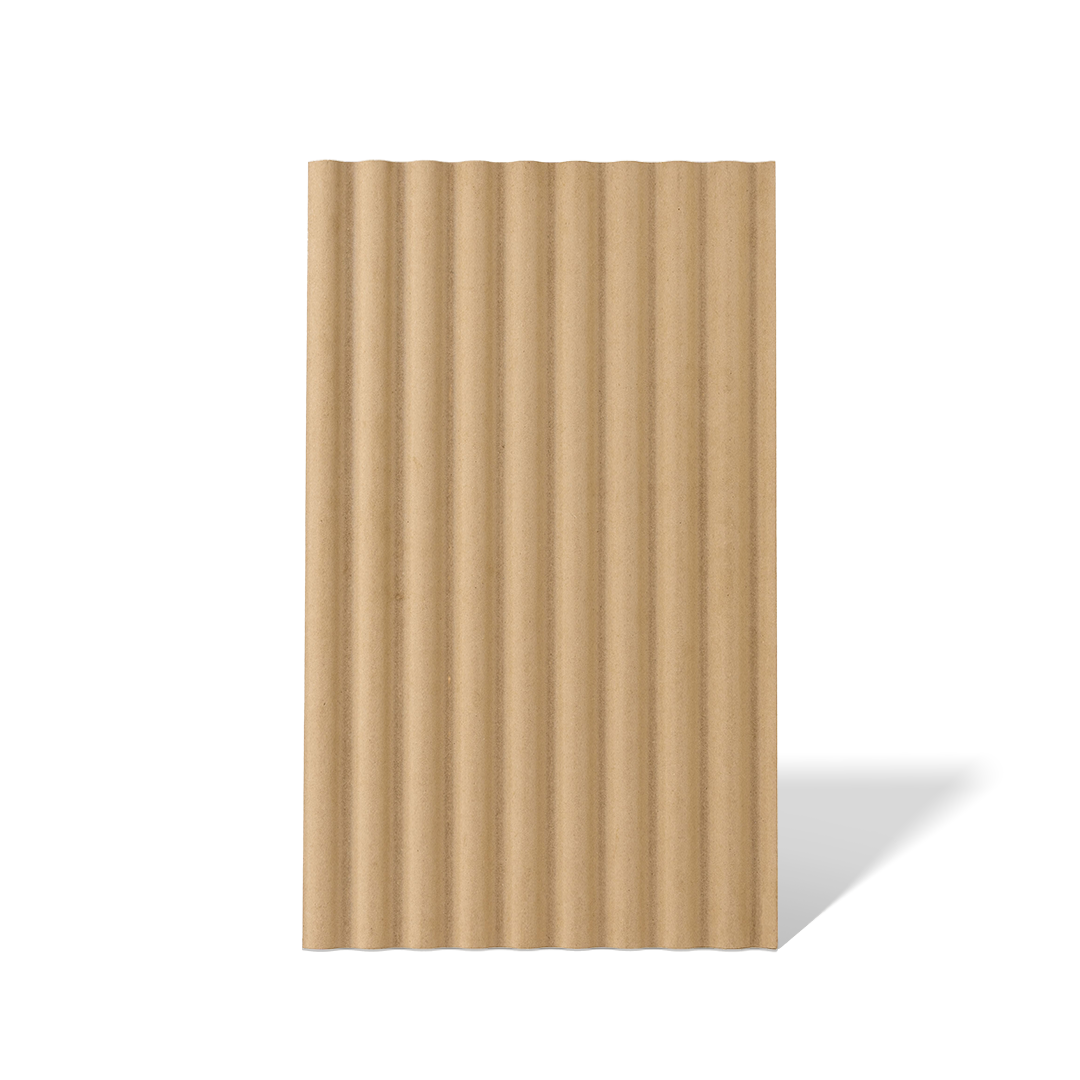
WPC Corrugated wall panels are a type of structurally patterned covering with corrugation covering the outer wall for both design and practicality purposes. With its corrugation naturally offering protection and resistance against water, mold, and termite damage, corrugated wall panels are an excellent choice for indoor applications in kitchens, dining rooms, and entertainment areas.
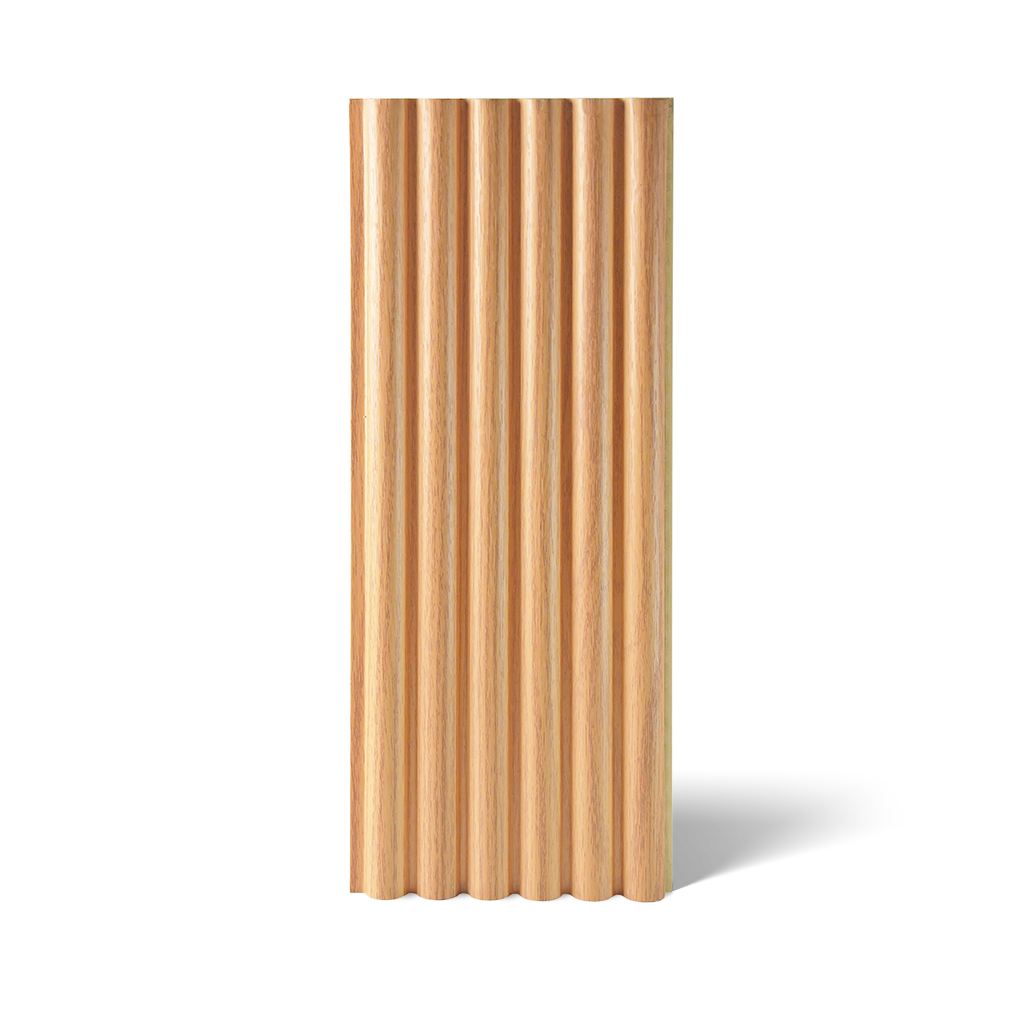
What is WPC Indoor Fluted Wall Panel?
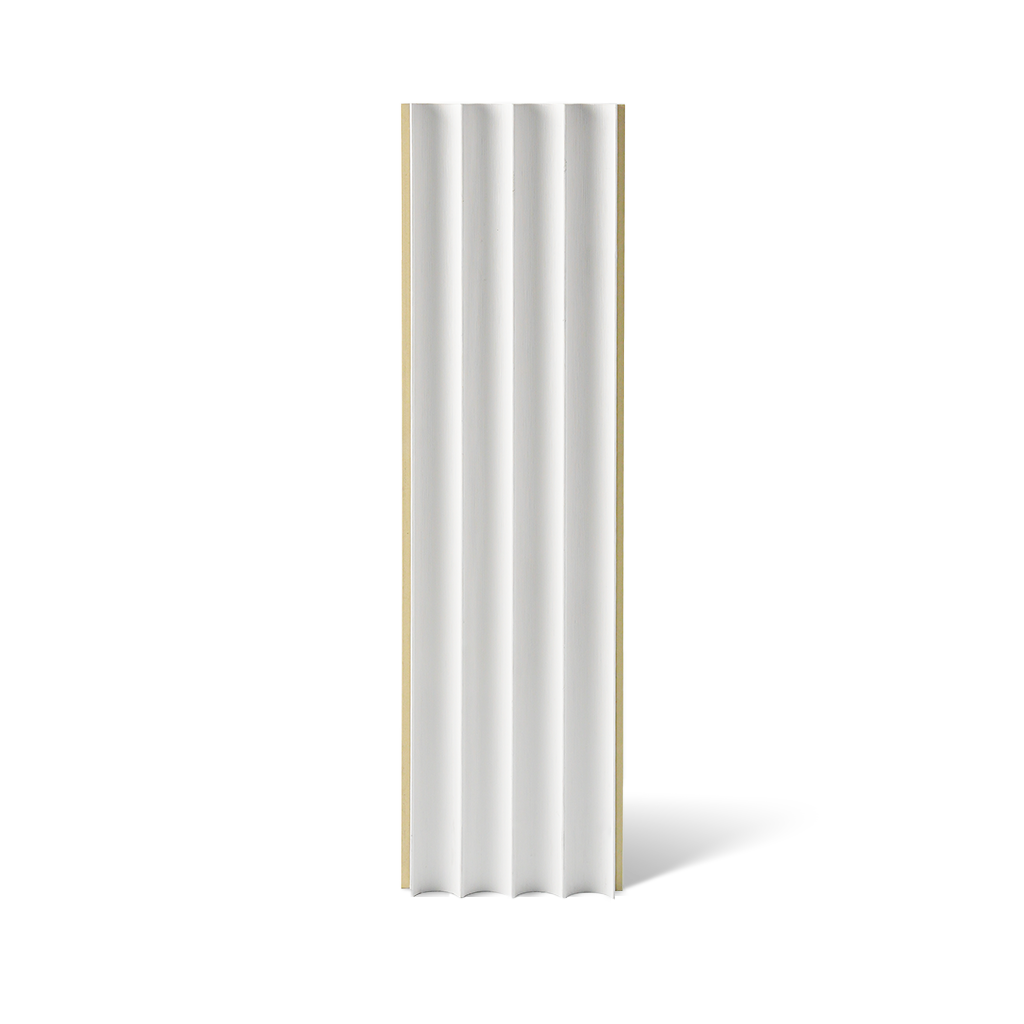
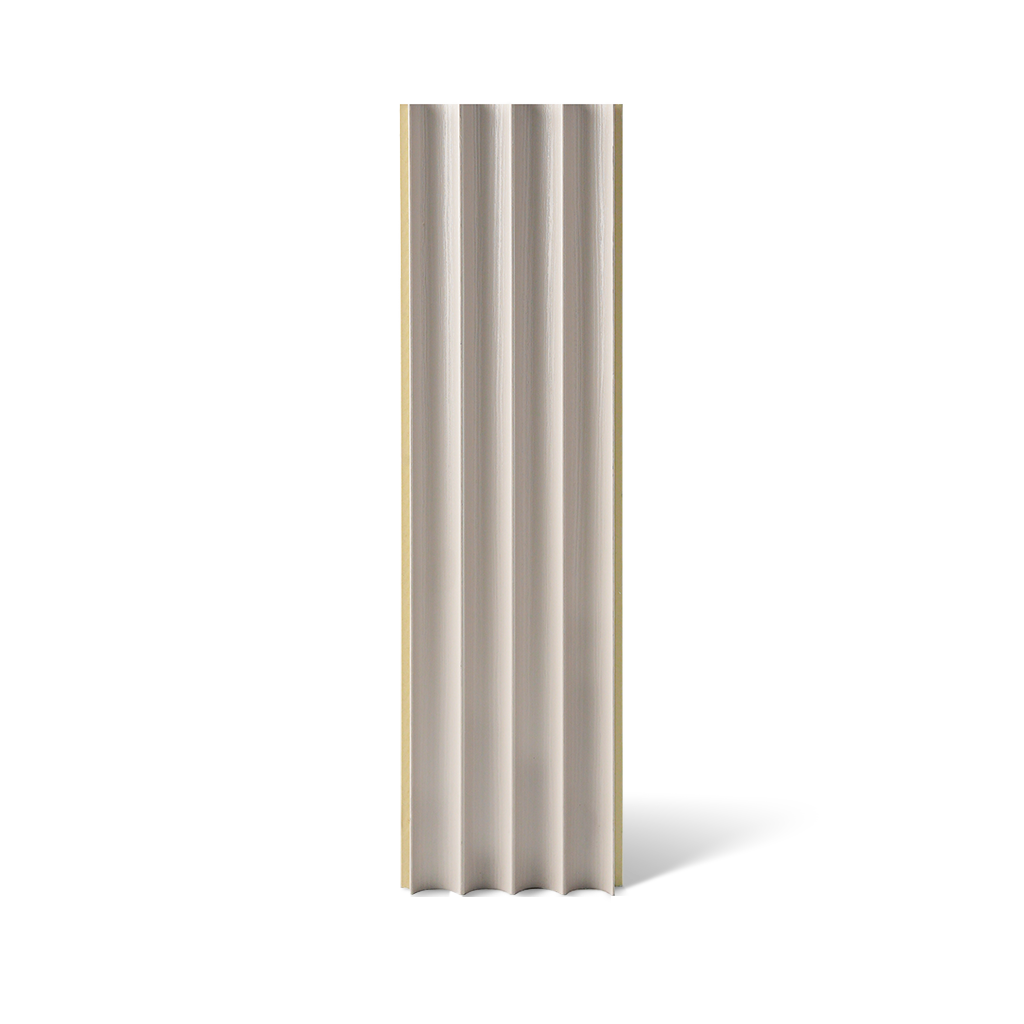
WPC fluted wall panels are both a stunning design element and a functional wall covering with many options of colors to fit your desired color scheme. The fluted design and thermoplastic materials usually help to reduce water absorption and increase the longevity of your indoor walls especially when exposed to volatile elements like oil, water, and heat.
What is WPC Half Round
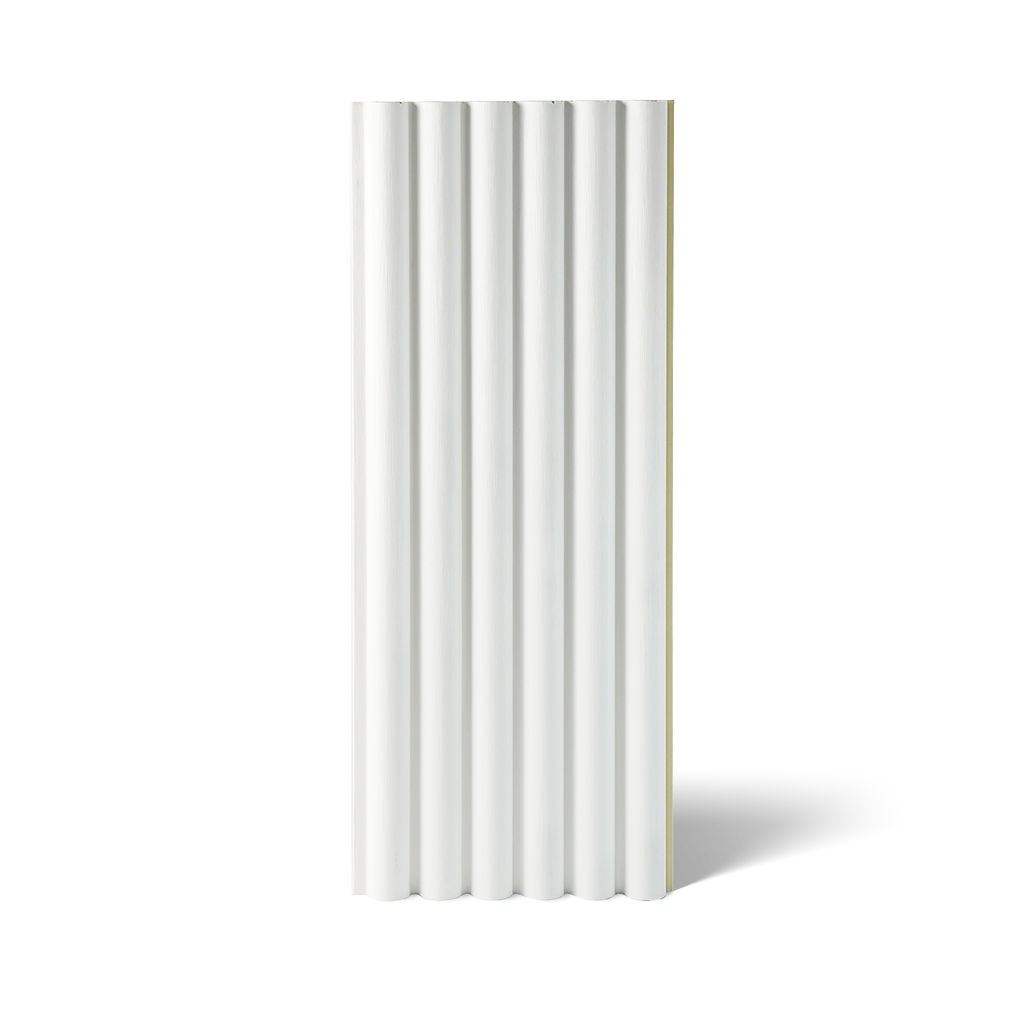
The home interior gets the modern upgrade not only with loud, bursting colors, but also with silent and subtle colors you can get from WPC Half Round panels. The sleek and muted profile highlights the clean lines and refined details.
What is WPC Mini Curtain?
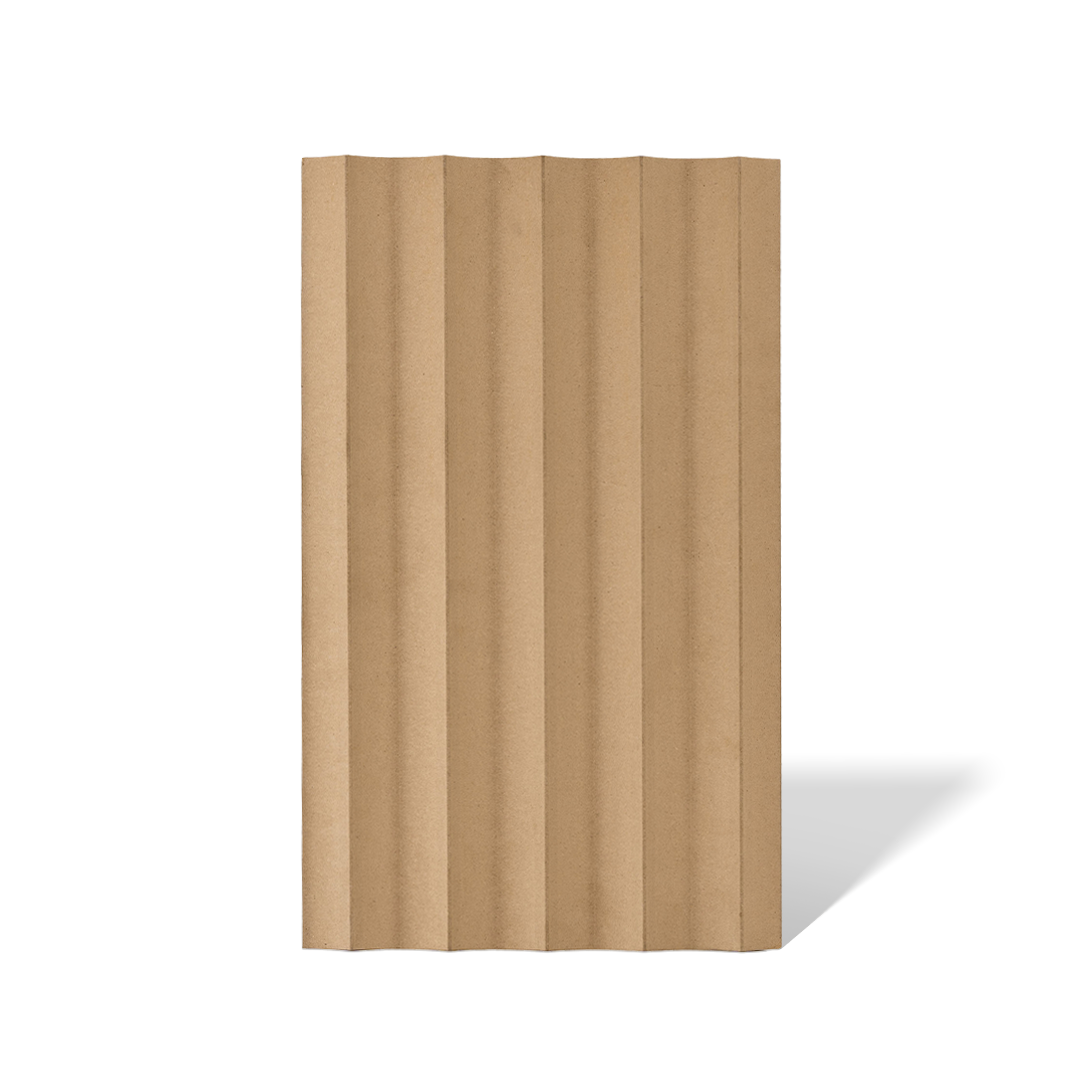
WPC Mini Curtain mimics the folds and appearance of the curtains, which creates the illusion of a classic and sophisticated space. A durable and simple space can be made possible with the right textures and colors, brought to life through the use of WPC Mini Curtain Panels.
What is the material of Wall Panels?
Decolite wall panels are made from Wood Plastic Composite (WPC) which is useful both for its structural benefits as well as the good it does for the environment.
What is the lifespan of Decolite WPC Wall Panels?
All profiles of Decolite WPC Wall Panels, including WPC Fluted and Corrugated, WPC Half Round and Mini Curtain, usually last for 10 years when installed and maintained properly.
Can WPC Wall Panels be installed on the ceiling?
Yes, the panels are versatile enough to be installed on either walls or ceilings, as long as it has a flat surface.
Can I paint over the wall and ceiling panels?
The panels have a laminate film that cannot be peeled or painted over.
Can the Decolite Wall Panels be installed outdoors?
No, Decolite Wall Panels are not recommended to be installed outdoors. The material lacks UV resistant features that can prevent the material from long exposure to the sun. It may also experience brittleness and cracking. For outdoor applications, we recommend to use Trevo WPC Outdoor Fluted Panels or Trevo WPC Siding, both with great weather protection.
Are WPC Panels waterproof? Can they be placed in the bathroom?
WPC Wall Panels are not waterproof and therefore cannot be placed in bathrooms and other areas where there is contact with water. Water and moisture make the panels brittle and easily disintegrate.
How do I install WPC Wall Panels behind the TV set?
Measure the space where the panels will be placed to ensure the number of panels needed for the application. Measure the TV bracket to the panels and cut according to the precise measurements. After cutting the panels, place the following in this order: panels, TV bracket, TV. The same procedure is done in light sockets and the likes.
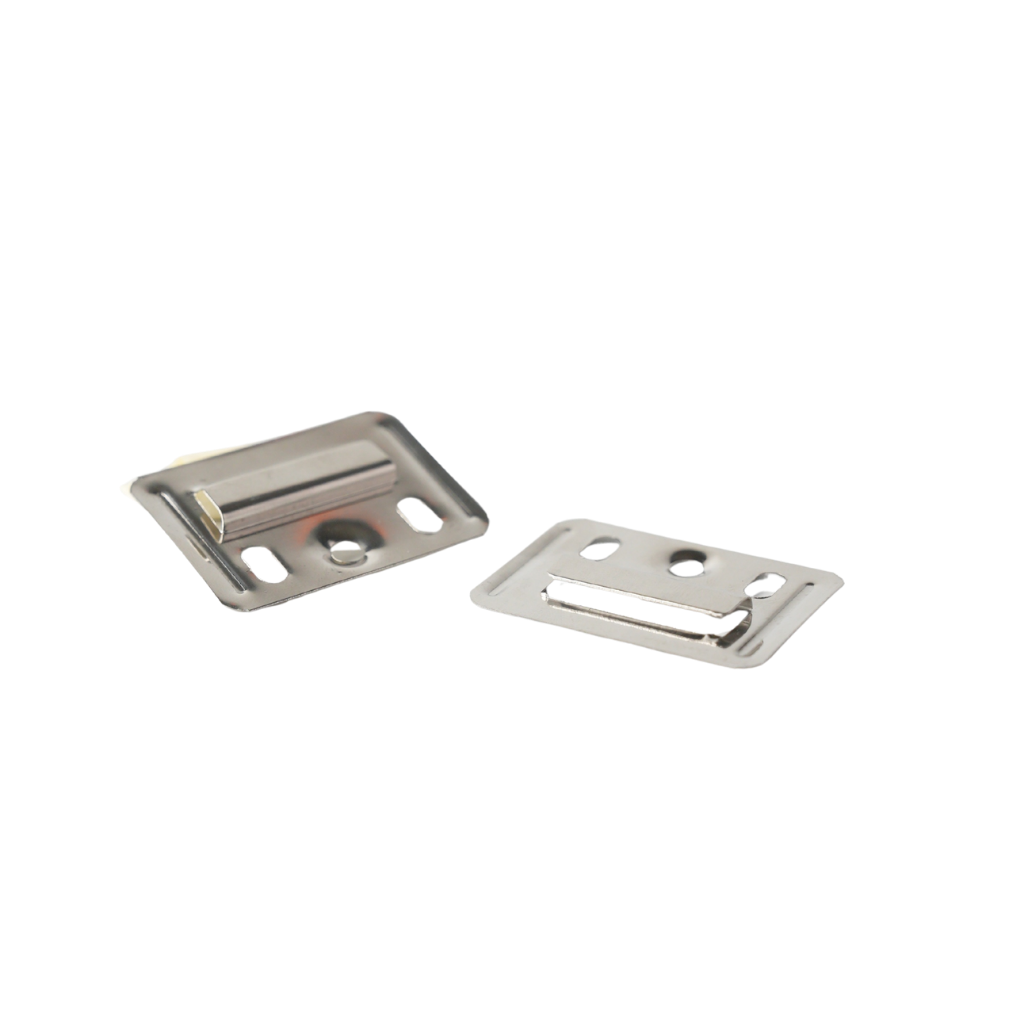
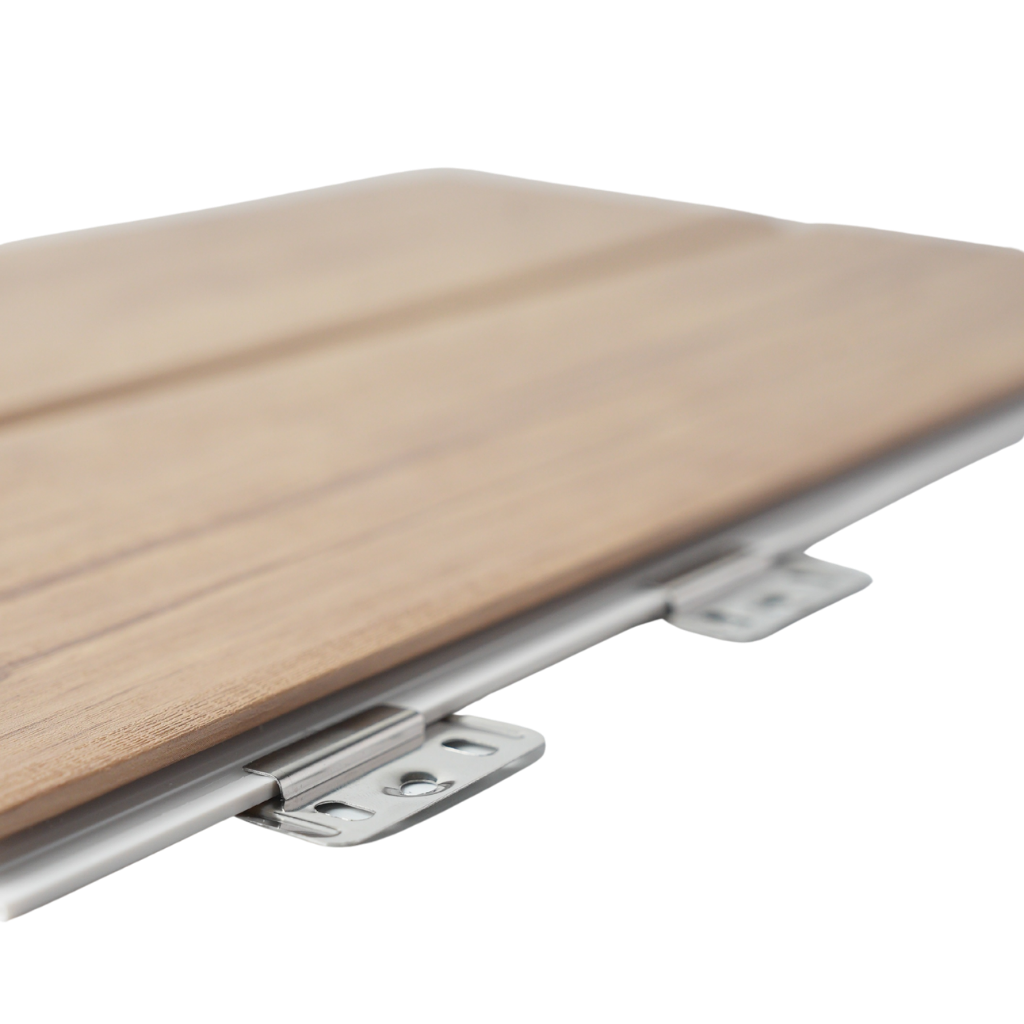
What accessories are needed for WPC Wall Panels?
You can opt to use the following accessories for a seamless finish:
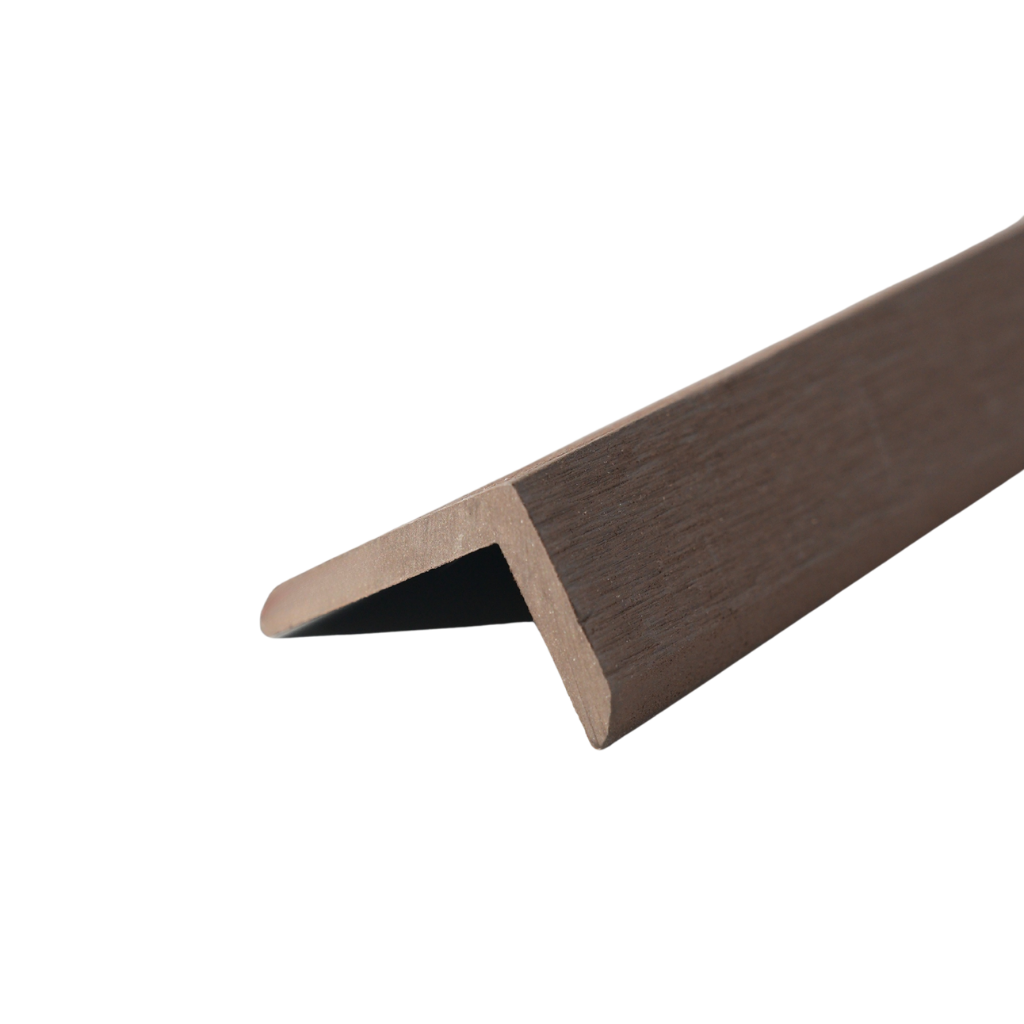
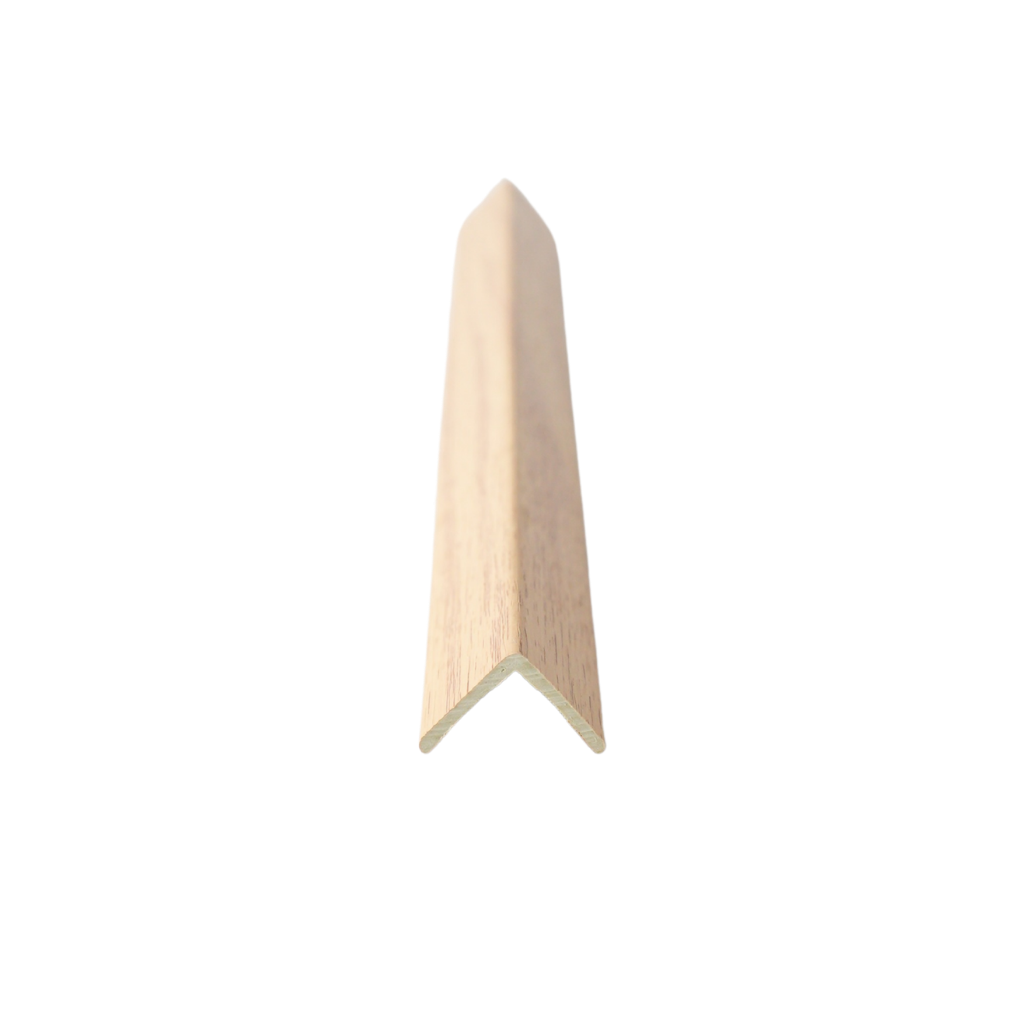
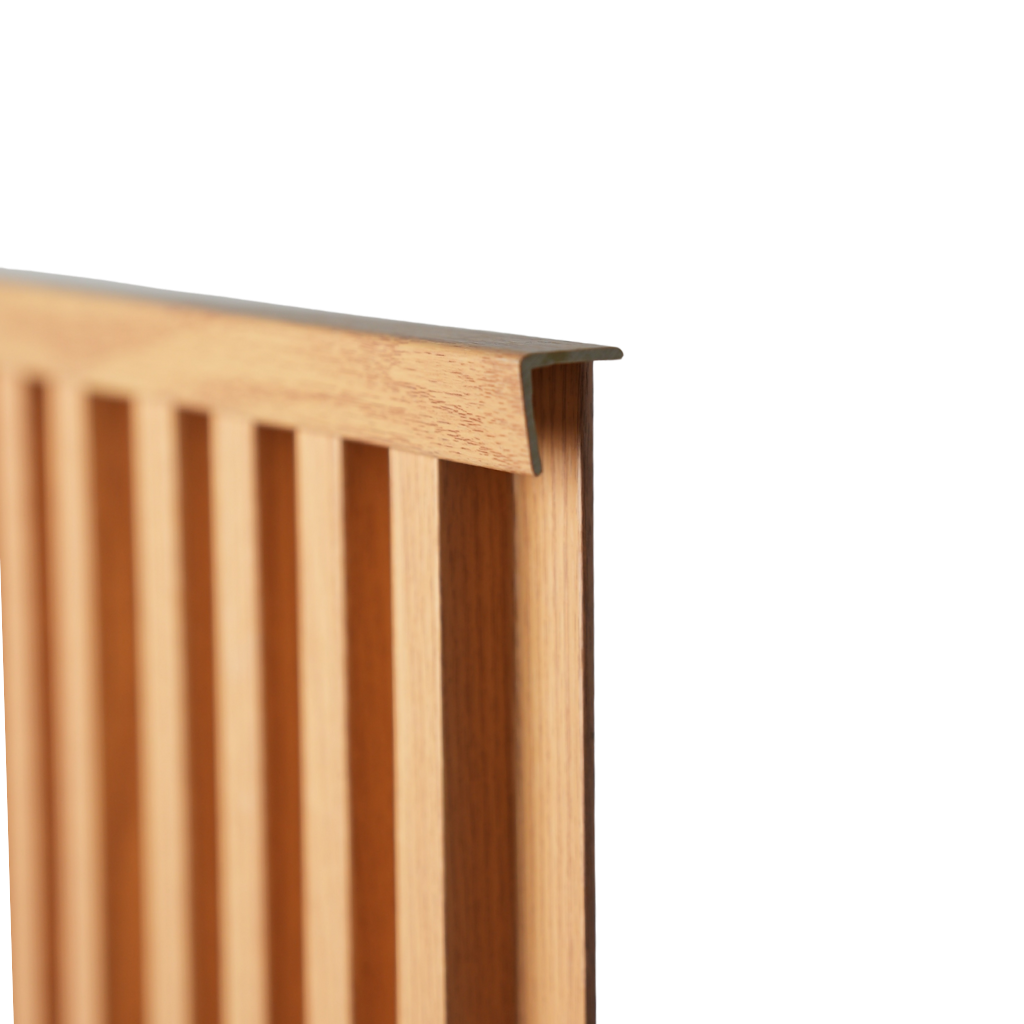
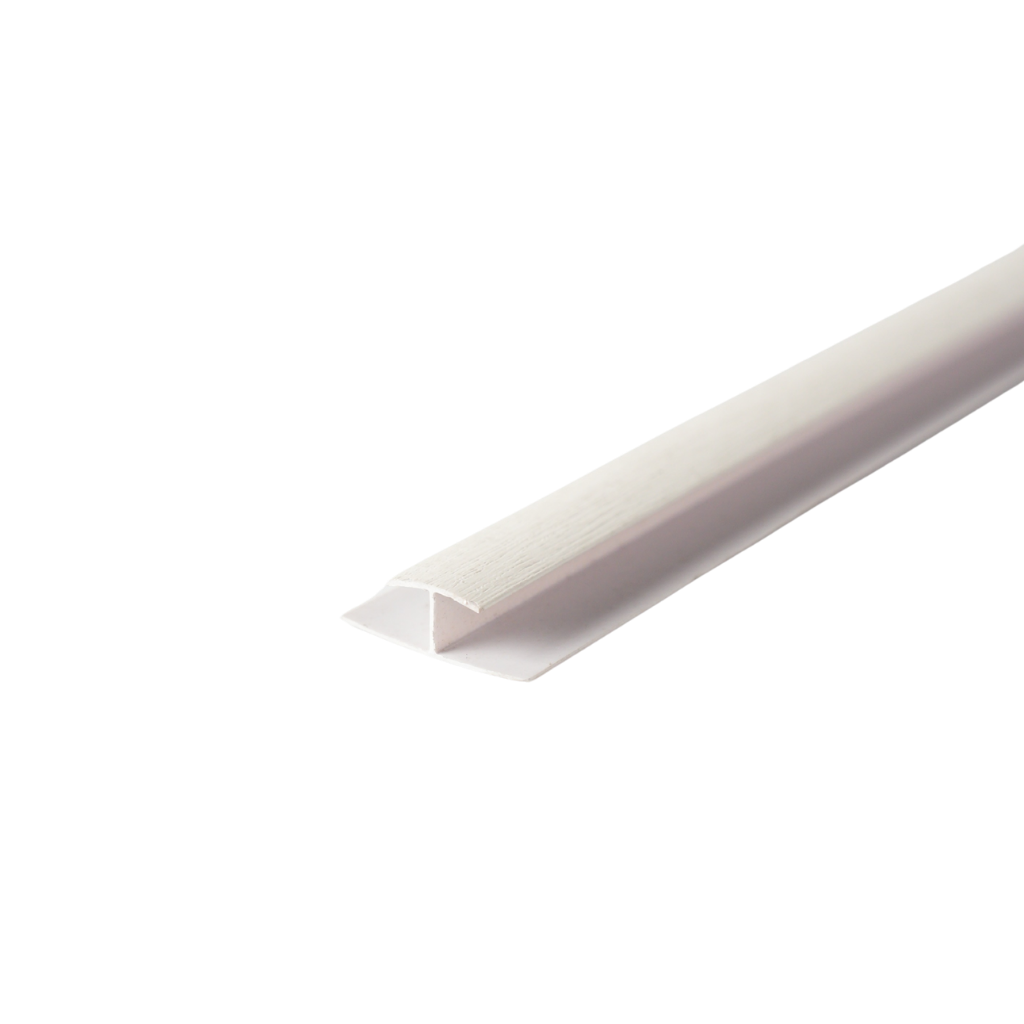
- L-Corner: This is used on joints and edges of WPC wall panels for a seamless finish of the tongue and groove.
- Fluted End Cap - Ensures a complete and full look of each panel.
- Fluted Exterior Corner - Connect the corners seamlessly using the fluted exterior corner.
Can WPC Wall Panels be installed even in non-air-conditioned homes?
Yes. WPC Wall Panels are versatile and durable enough to be installed even in non-air-conditioned places, so long as the installation process heeds to the right guidelines.
What is WPC Outdoor Fluted Panel?
Styling outdoor spaces can be a challenge if you have very little control over your surroundings. Fortunately, the outdoor WPC Outdoor Fluted Wall Panels add so much personality to the exterior of your home while still giving it some practicality in the form of water and weather resistance. It combines wood and plastic for added strength and protection.
What is the lifespan of Trevo WPC Wall Panels?
With proper installation, care, and maintenance, Trevo Wall Panels can last from 15-20 years.
Can WPC Wall Panels be installed on the ceiling?
Yes, the panels are versatile enough to be installed on either walls or ceilings, as long as it has a flat surface.
Can I paint over WPC Outdoor Fluted Panel?
The panels have a laminate film that cannot be peeled or painted over.
Can the Trevo WPC Outdoor Fluted be installed indoors?
WPC Outdoor Fluted Panels are flexible enough to be installed in both indoors and outdoors, with proper frames and supports.
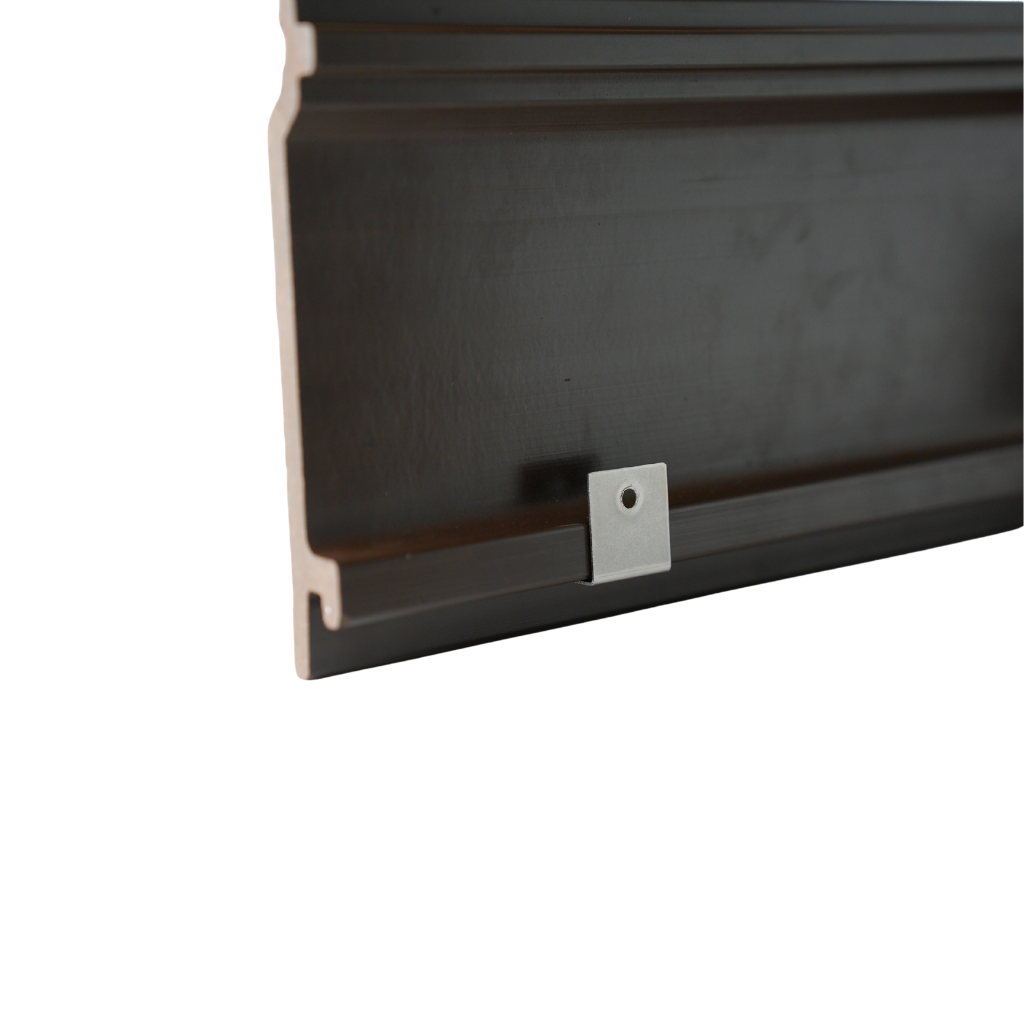
What accessories are needed for WPC Outdoor Fluted?
You can opt to use the following accessories for a seamless finish:
- L-Corner: This is used on joints and edges of WPC wall panels for a seamless finish of the tongue and groove.
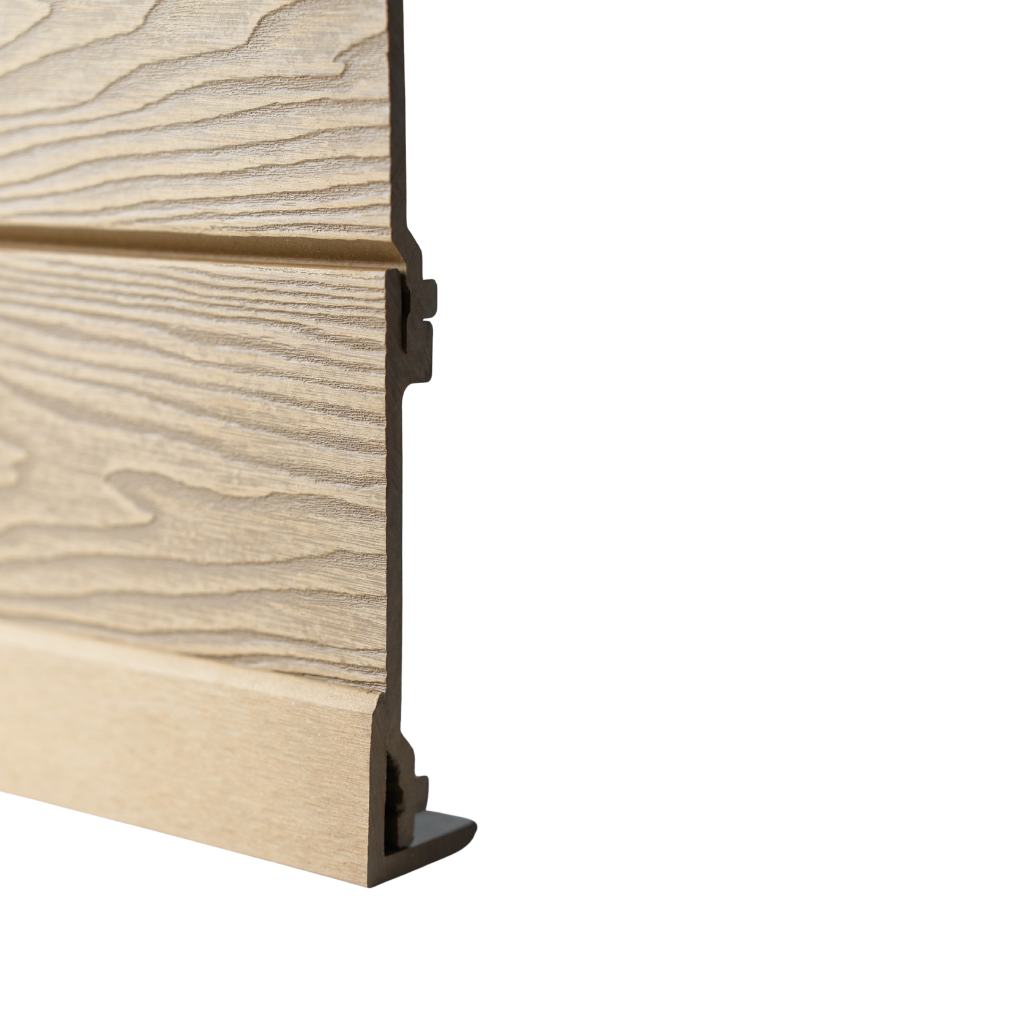
- Start Clips: Secure and stabilize the bottom of the panel in place by using start clips.
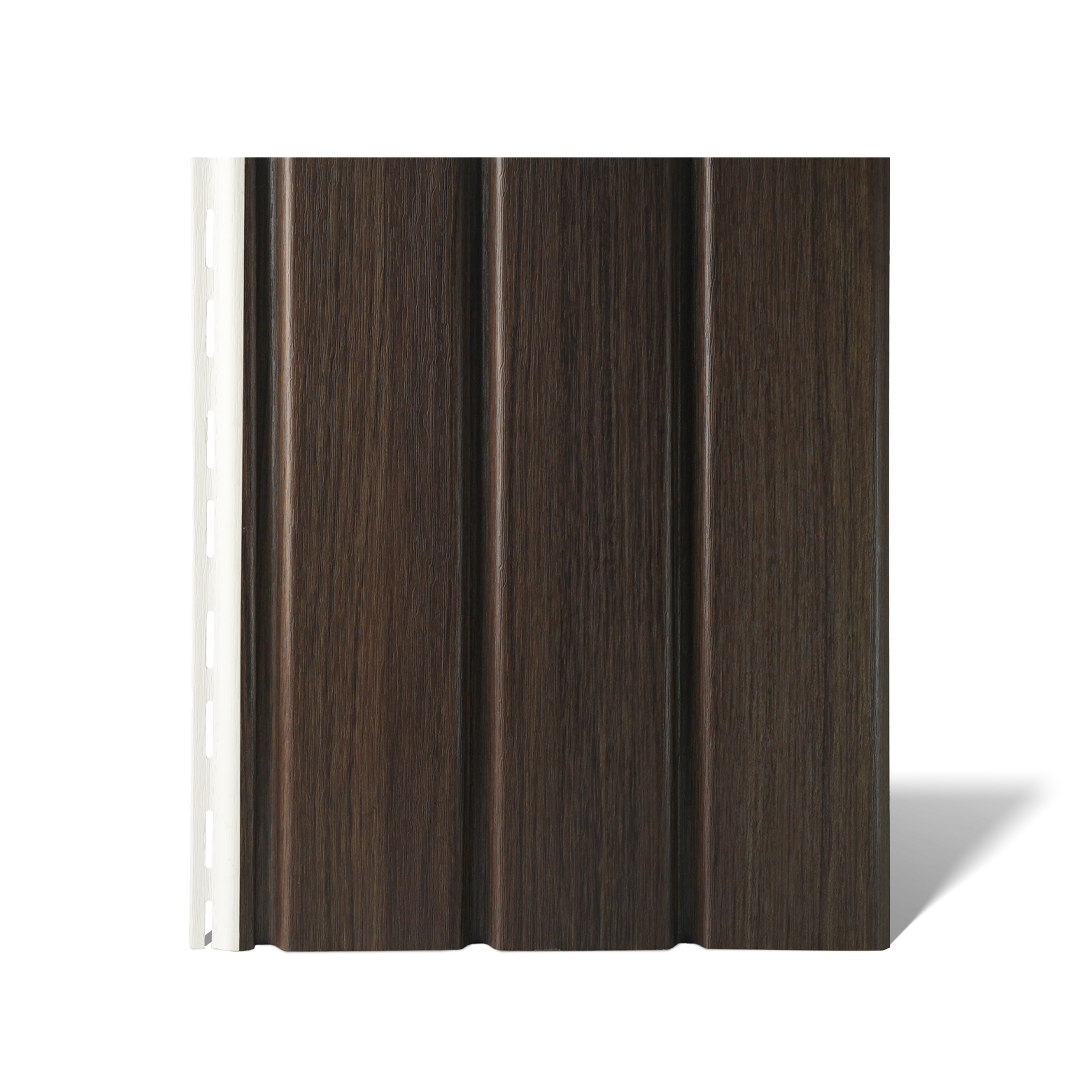
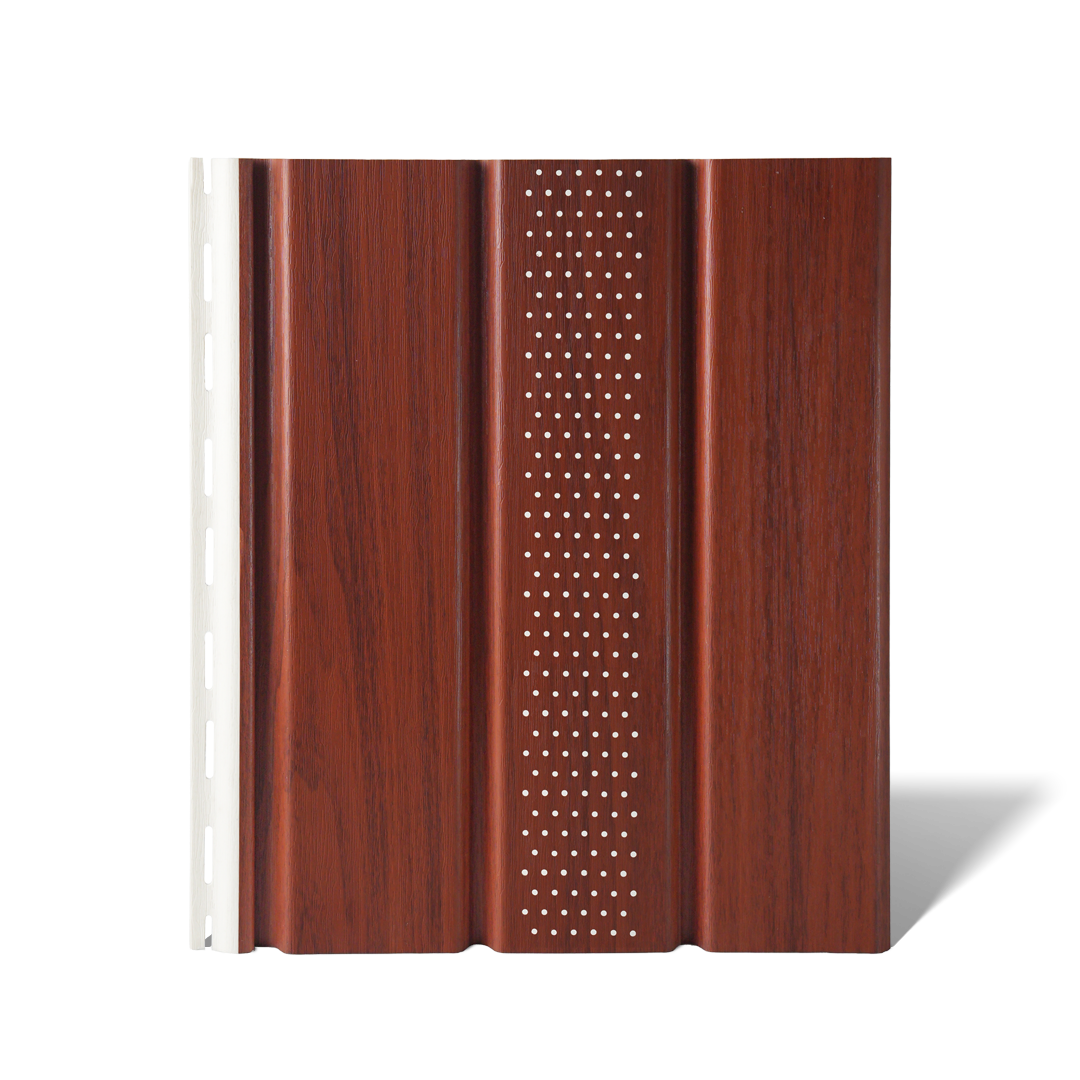
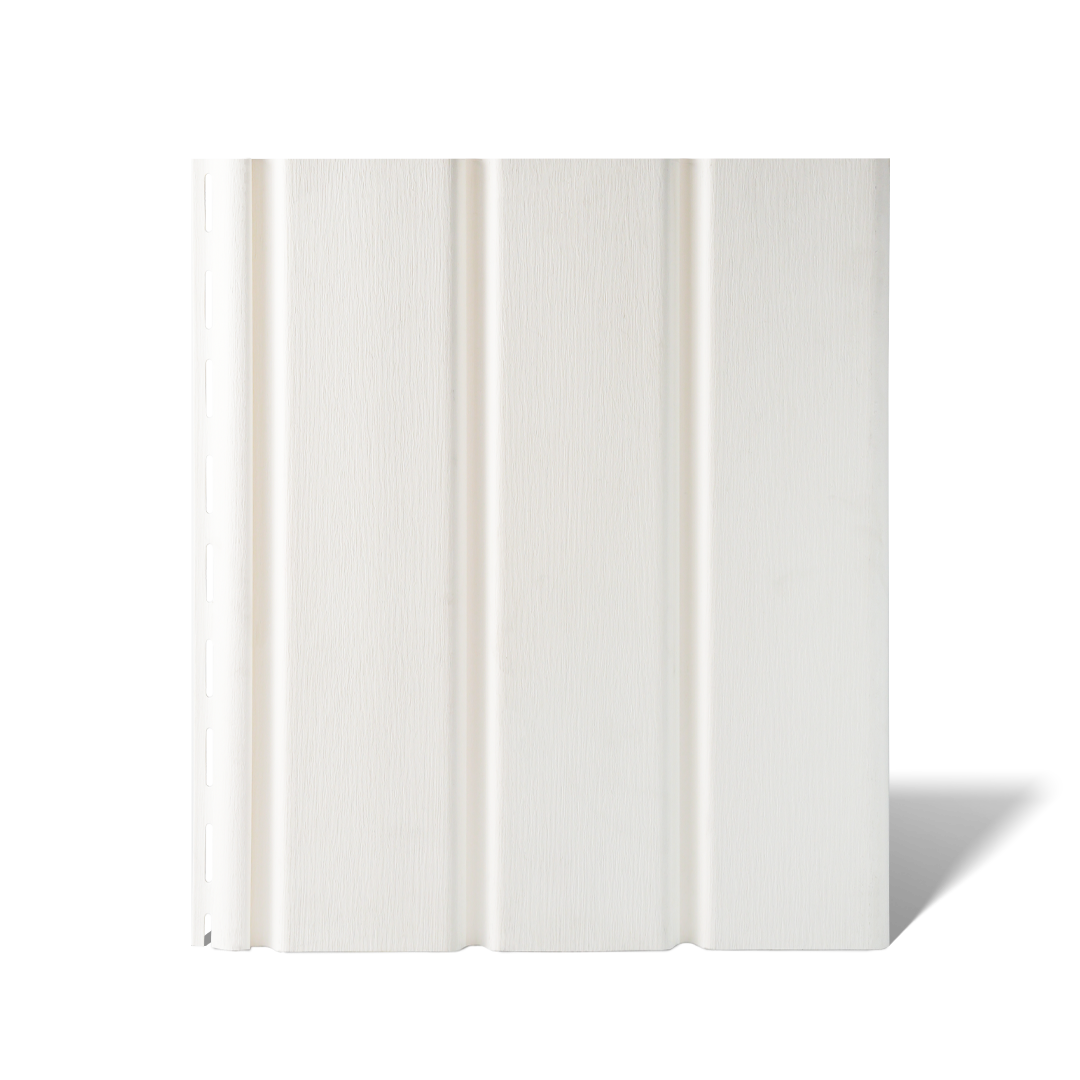
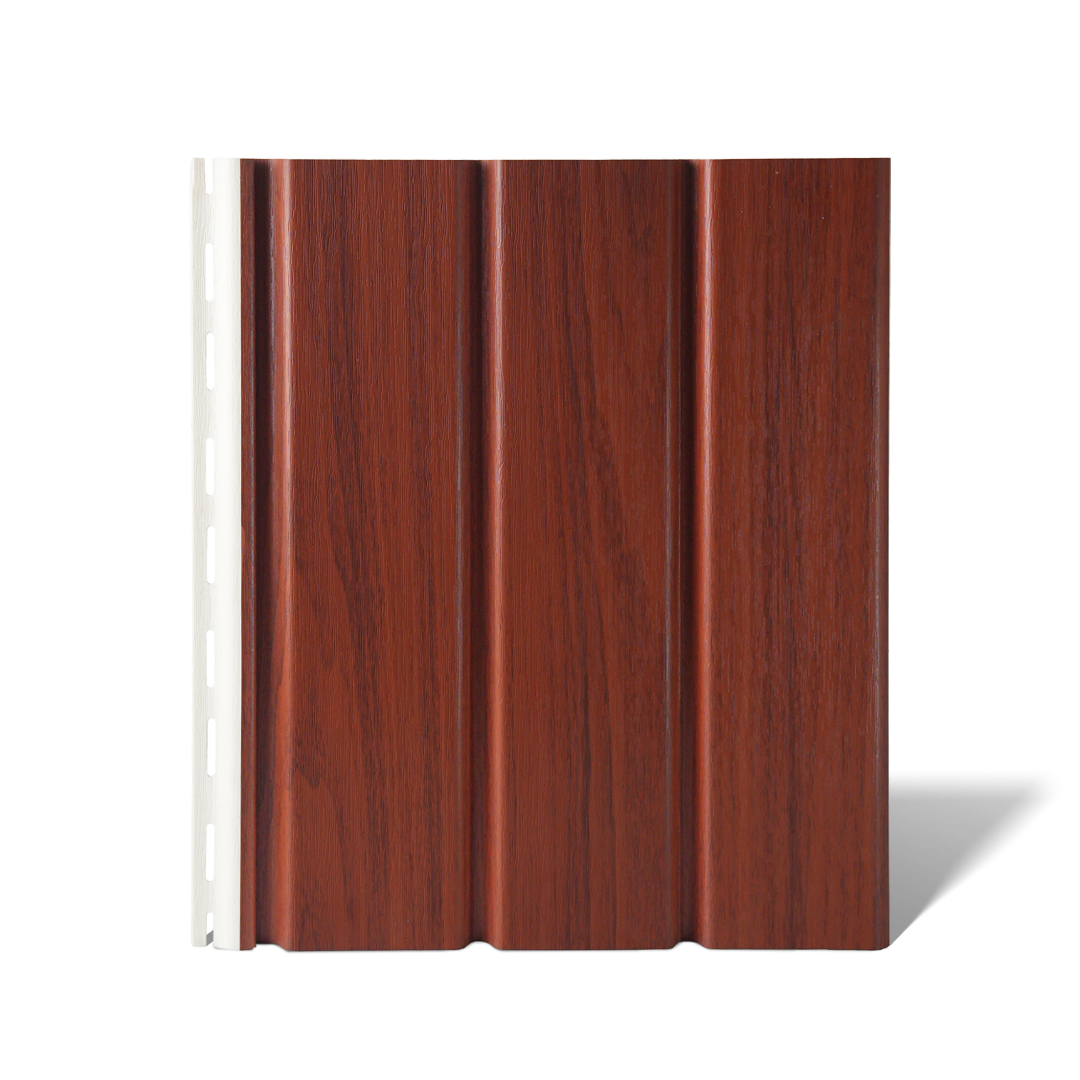
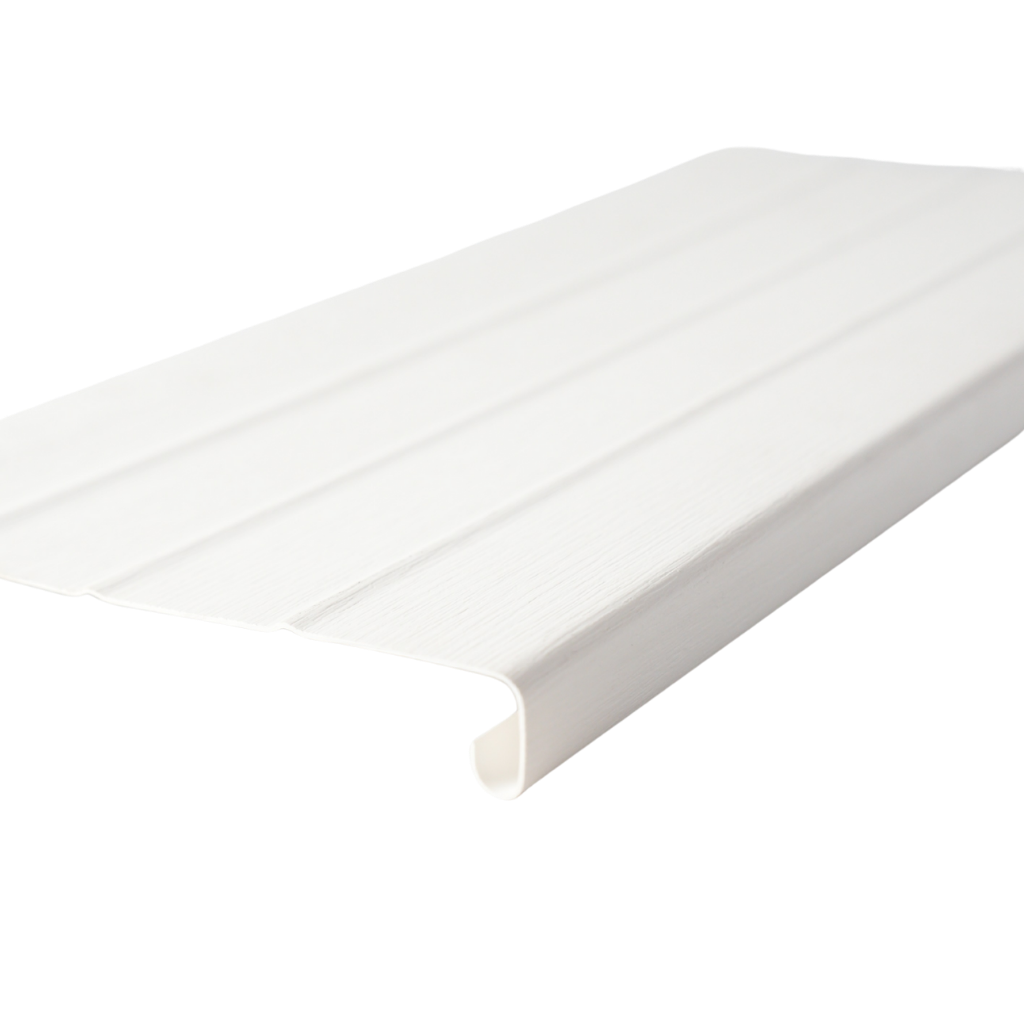
What is PVC Soffit?
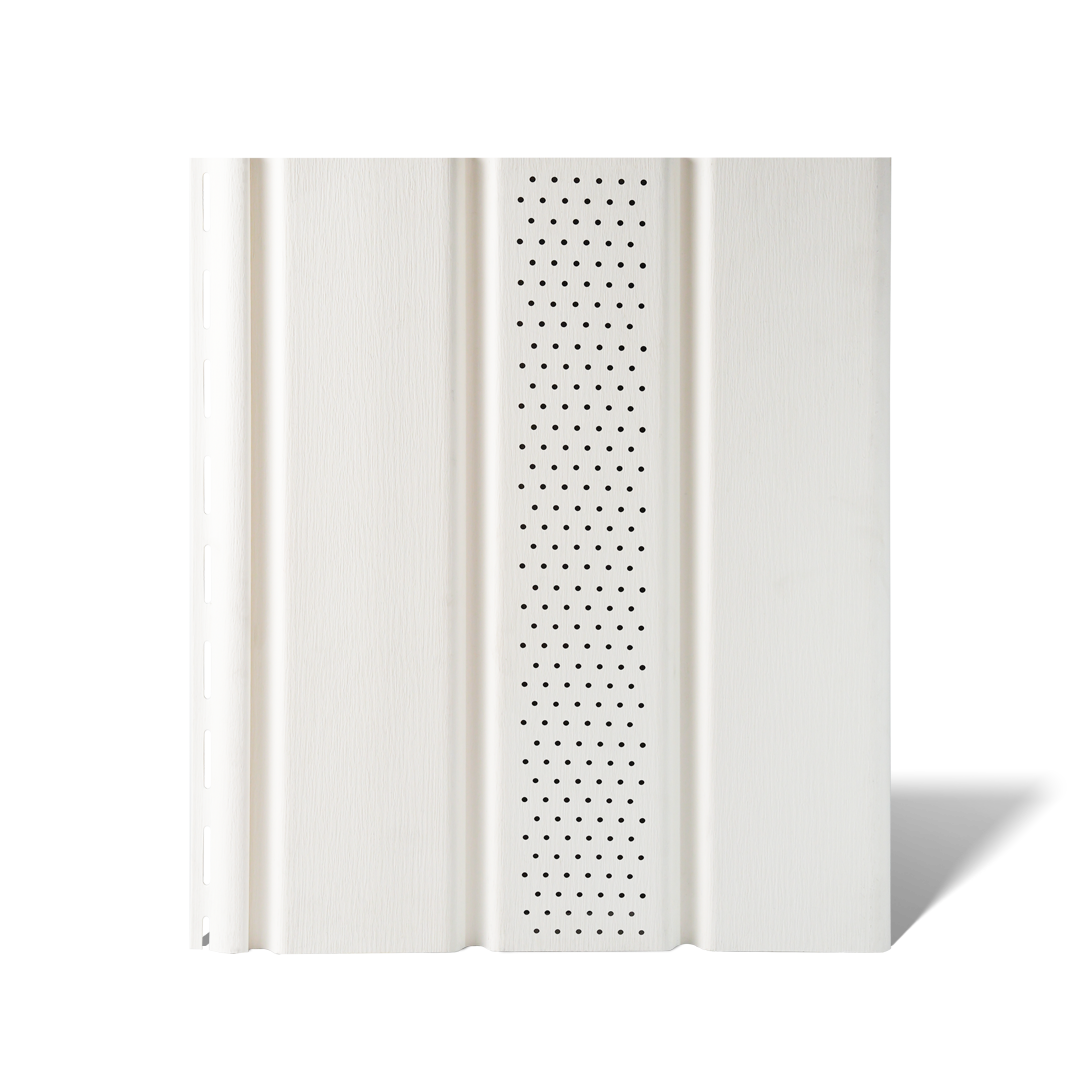
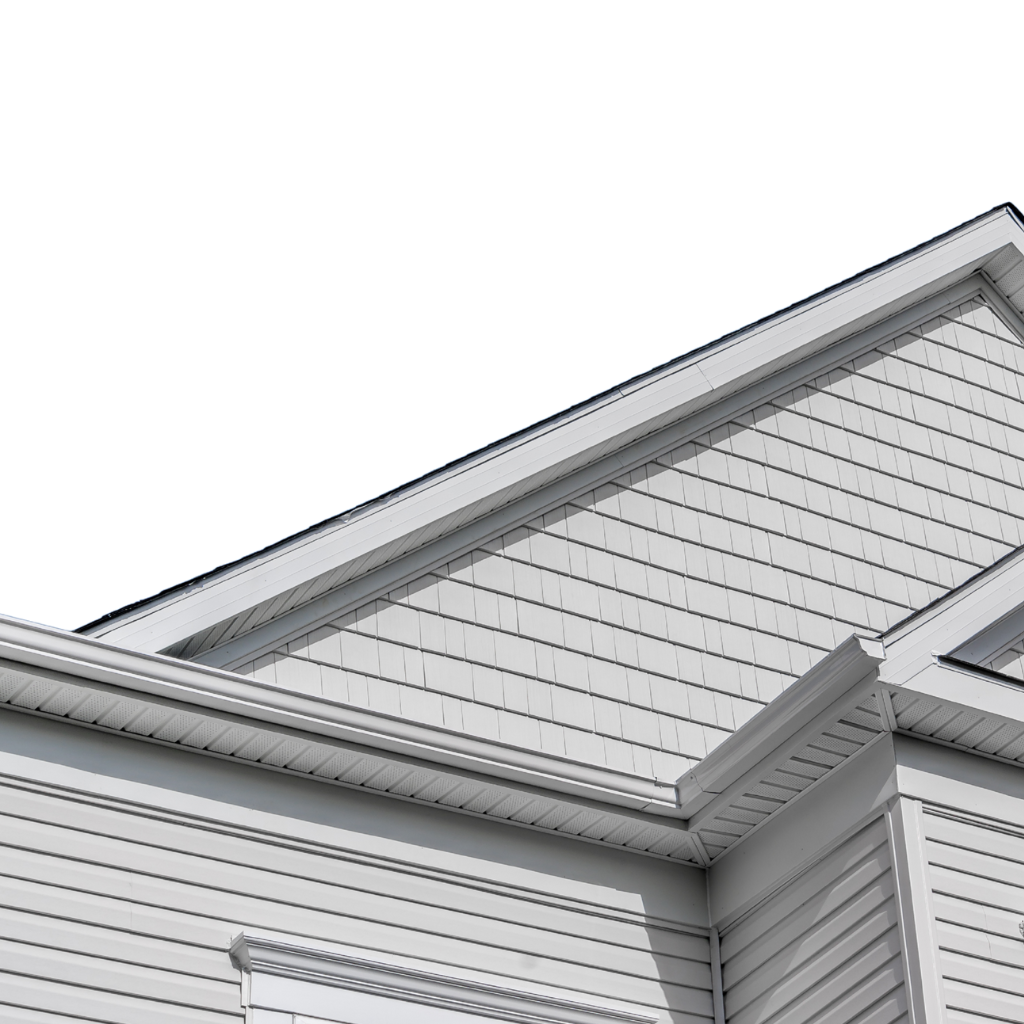
PVC Soffit integrates both functionality and aesthetics in one material. It covers the underside of the roof's eaves, makes the design look more appealing and cohesive, and also fulfills the home’s ventilation requirements. With a lightweight material like PVC, the installation of PVC Soffit is easier, making it more cost effective, therefore saving time, effort, and work simultaneously. For best results, install PVC Perforated at 3 or 4 intervals to ensure proper ventilation.
What is the lifespan of Decolite PVC Soffit?
Decolite PVC Soffit usually lasts up to 30 years when installed and maintained correctly.
Can I paint over PVC Soffit?
No. Decolite PVC Soffit cannot be repainted because of its surface texture.
Are PVC soffit Panels waterproof?
Yes. Incorporation of plastic properties during manufacture makes it a durable material effectively resistant to water, even when soaked, infused, or splashed with.
Are the PVC Soffit UV resistant?
Yes. It is formulated with additives that block UV rays, which helps prevent discoloration and degradation over time. This UV resistance ensures that the soffit maintains its excellent appearance and structural integrity even when exposed to prolonged sunlight.
Can the Trevo PVC Soffit be installed indoors?
Yes. PVC Soffit is a versatile material that can be installed outdoors, for the eaves, and indoors, for wall or ceiling applications.
How do I install the PVC Soffit?
To properly install the PVC Soffit, follow the steps outlined in the installation guidelines. These guidelines provide a detailed process, including the necessary accessories and tools for a successful installation.
How do I clean PVC Soffit?
Use a clean, damp cloth to wipe the wall and ceiling panels. Do not use harsh chemicals to clean the panels to prevent them from damage.
What is Decolite PVC Ceiling?
PVC Ceiling Panels are made from Polyvinyl Chloride (PVC), a lightweight, moisture-resistant material perfect for interior ceiling decor. Also known as tongue and groove ceilings, these ceilings hold a different design that works with cross-wise and length-wise tongue or beam pieces running across your PVC paneling. The use of this material in indoor ceilings improves the overall appearance and gives the fifth wall an upgrade from the usual bare, colored ceilings.
What are PVC Ceiling Panels made of?
Decolite PVC Ceiling Panels are made from Polyvinyl Chloride (PVC) which is a commonly used construction product that is featured as wall panels or dividers
What is the lifespan of Decolite PVC Ceiling Panels?
Decolite PVC Ceiling Panels usually last for 10 years when installed and maintained properly.
Can your PVC Ceiling Panels be installed on walls?
Yes, the panels are versatile and can be used interchangeably. PVC Ceiling panels are not strictly for ceiling applications alone.
Can I paint over PVC Panels?
The panels have a laminate film that cannot be peeled or painted over.